
September 2026 - Volume 4
In this newsletter we start close to home with the winners of the Foundation's latest grants. Then we turn to the gap between what is imagined and what actually gets built.
We ask why the bicycle took so long, tour an ordinary apartment full of things that were once beyond imagining, and consider fifty open-source machines for rebuilding civilisation, once you've survived the IKEA complexity index. Some visions fare worse: a ghost town of Disney castles, farms built for Mars and early AI from before things got strange. Others were never meant to be built, like Andrea Branzi's fifty years of projects made to be thought rather than realised.
We also ask how craft conquered design, share the Institute's Walk Together framework for designing with Country, see the Lucas Museum open in LA and follow Wim Wenders through the buildings of Peter Zumthor.
Imagining is the easy part. Building is the negotiation.
Recent News
From the Alastair Swayn Foundation
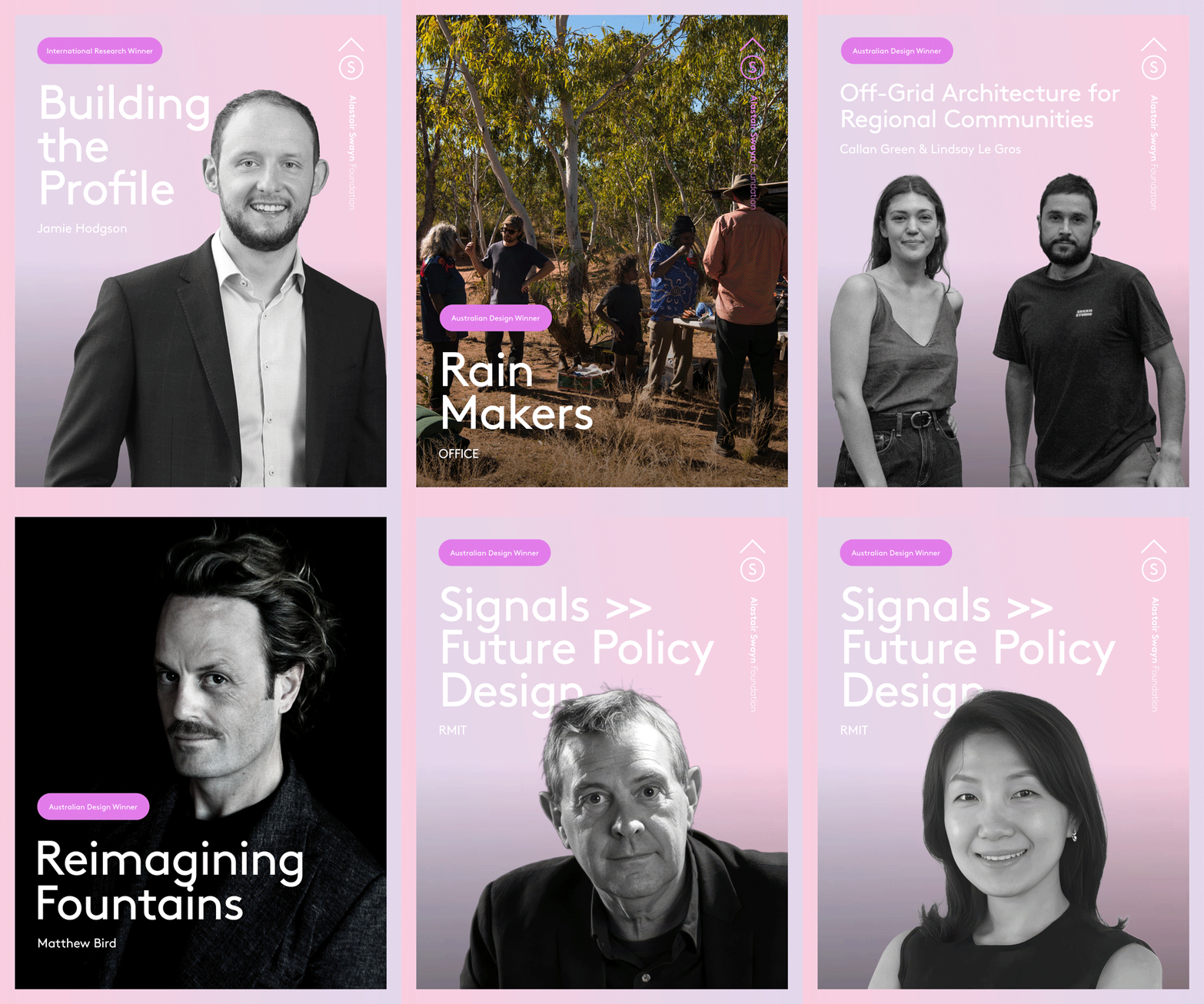
GRANTSWe’re pleased to announce the recipients of the Foundation’s 2026 grants. This year’s Australian Design and International Research Grantssupport projects exploring new ideas across architecture, design, policy, fashion, landscape, community and the built environment. Across very different fields, the projects ask questions about how design is practised, who it serves and how it might respond to the world around us. We’ll be following their progress and sharing what they discover over the year ahead.
EVENT10th Anniversary Celebration
On the 19th of November, we will be marking 10 years of the Alastair Swayn Foundation, commemorating with our inaugural annual lecture.
Professor Dan Hill, Designer and Urbanist, will deliver our anniversary lecture at the National Museum of Australia, facilitated by Tim Ross of The Big Design Adventure.
The lecture will be followed by drinks and canapés in the National Museum of Australia atrium, with an opportunity to celebrate this milestone with friends and supporters of the Foundation.
Watch this space for ticket sales.
Matters of Interest
In Design & Architecture
READWhy did we wait so long for the bicycle? The wheel, the frame and the materials seem simple enough, yet the first two-wheeler didn’t appear until 1817, and the safety bicycle not until 1885. Jason Crawford at Roots of Progress argues that the delay came down less to technology than to imagination, economics and culture. His conclusion is that innovation isn’t part of human nature. It has to be learned.
READThe IKEA Complexity Index. A fan-made site ranks around 20,000 IKEA products by how hard they are to build, scoring each one by multiplying its assembly steps by its number of parts. It then estimates the build time and checks it against real customer reviews. It’s useful before your next flat-pack weekend, and a quietly brilliant piece of data design.
BUILDThe Global Village Construction Set. Open Source Ecology has published open blueprints for 50 machines that it says a small community needs to build a modern civilisation from scratch. The list runs from tractors and sawmills to brick presses, wind turbines and 3D printers, and all of it is free to download and build. It’s the most ambitious DIY manual you’ll find.
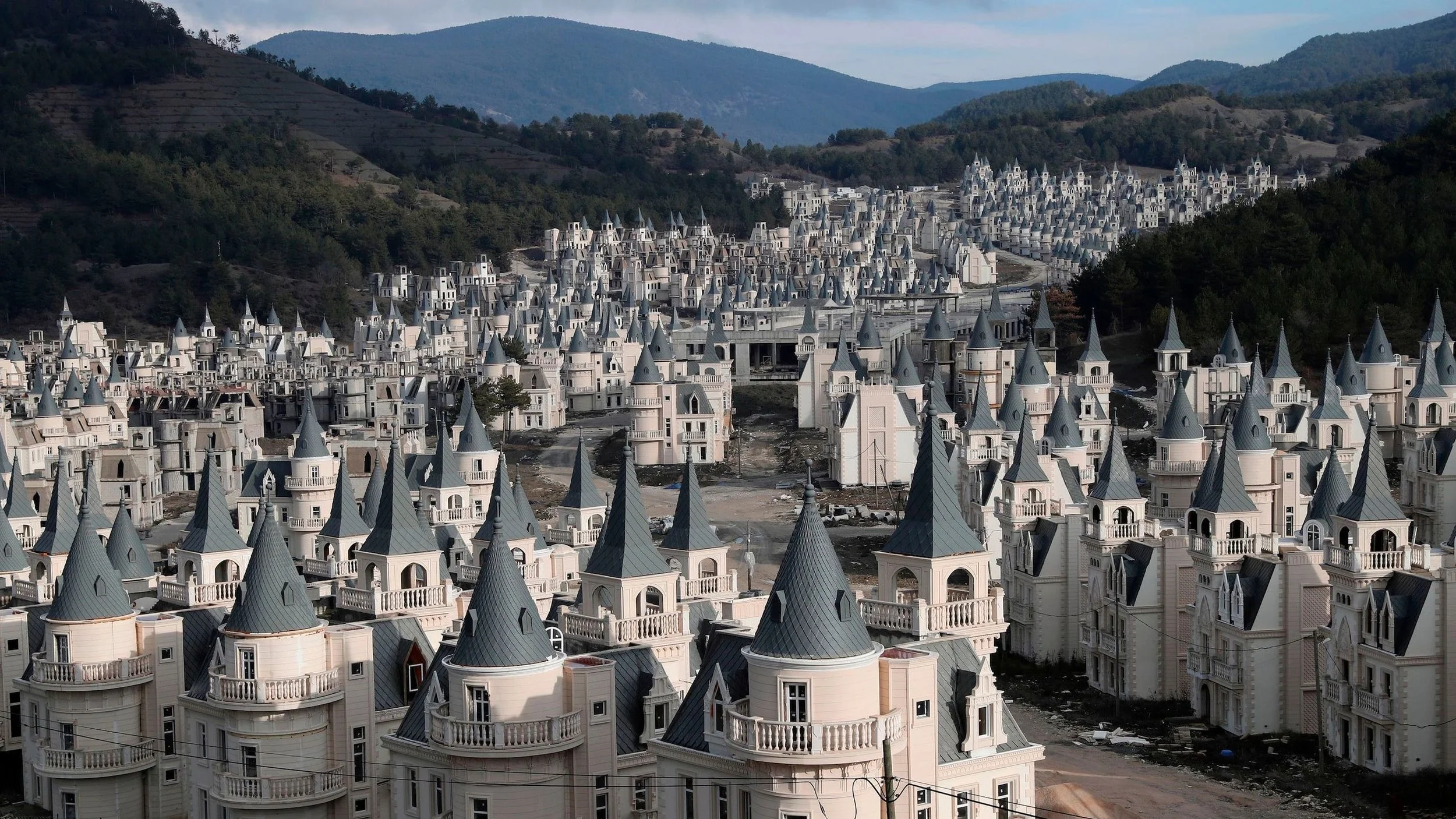
Burj Al Babas consists of more than 700 multi-story castles, half of which were already sold by 2019. After a series of unfortunate world events, Turkey’s economy dried up, leaving the sweeping village’s fate uncertain. Photo: Getty Images
EXPLORETour Burj Al Babas. A massive abandoned town of Disney-esque castles of what was supposed to be a luxurious urban development for wealthy foreigners that has become an eerie half-finished ghost town in Türkiye.
EXPLOREAmerican modernism. A project exploring early 20th-century American architects, contrasting them with European Modernism and revealing a distinct American path of functionalism that shaped contemporary architecture.
SCROLLThrough Ordinary Abundance. A modern apartment is full of things that once were beyond the collective imagination.
READHow quartz helped Japan’s watchmakers nearly drive Switzerland’s watch industry out of business. But the Swiss fought back.
READIn Issue 96 of the Italian magazine – Mousse – some texts from the archive have been revisited. In this case - “A Ribbon Running Through: Andrea Branzi in conversation with Alessandro Rabottini” - originally published in 2023.
Over more than fifty years, Andrea Branzi has been freely touching upon architecture, design, and art, as an ongoing process that in itself constitutes “the work.” Starting with No-Stop City (1969), conceived when he was a member of the radical architecture group Archizoom, Branzi has been piling up a series of nonfunctional answers to practical problems, and projects not to be realized but conceptualized.
His is a way of looking at the world without an executive purpose and tactically surviving the rigidity of design and architecture—or any mechanistic vision of praxis.
READThe Farms of the Future Were Built for Outer Space. Will They Work on Earth? It will be years until NASA is ready for a journey to the red planet, but if Earth continues to suffer from climate change, Mars could come to us.
EXPLOREVintage Artificial Intelligence. A curated collection of early computer software claiming some aspect of artificial intelligence as a primary feature, allowing the early interactions of humans and machines before things got a little strange. Includes a variety of programs intended as therapists, conversation partners, and opponents.
READA new book ‘Handmade Utopia’ Relishes the Architecture of California’s Back-to-the-Land Movement’
EXPLOREThe website PICDIT for creative images of architecture, design and many more categories with lots of intriguing material.
EXPLOREThe website OPEN CULTURE that promotes itself as “The best free cultural & educational media on the web.” Within the category “architecture” you can watch Stewart Brand’s 6-Part Series How Buildings Learn, with music by Brian Eno. Brand compiled the famous Whole Earth Catalogue and Eno is a very influential musician, member of Roxy Music then producer of ambient music and lots more… And there are numerous categories to explore…
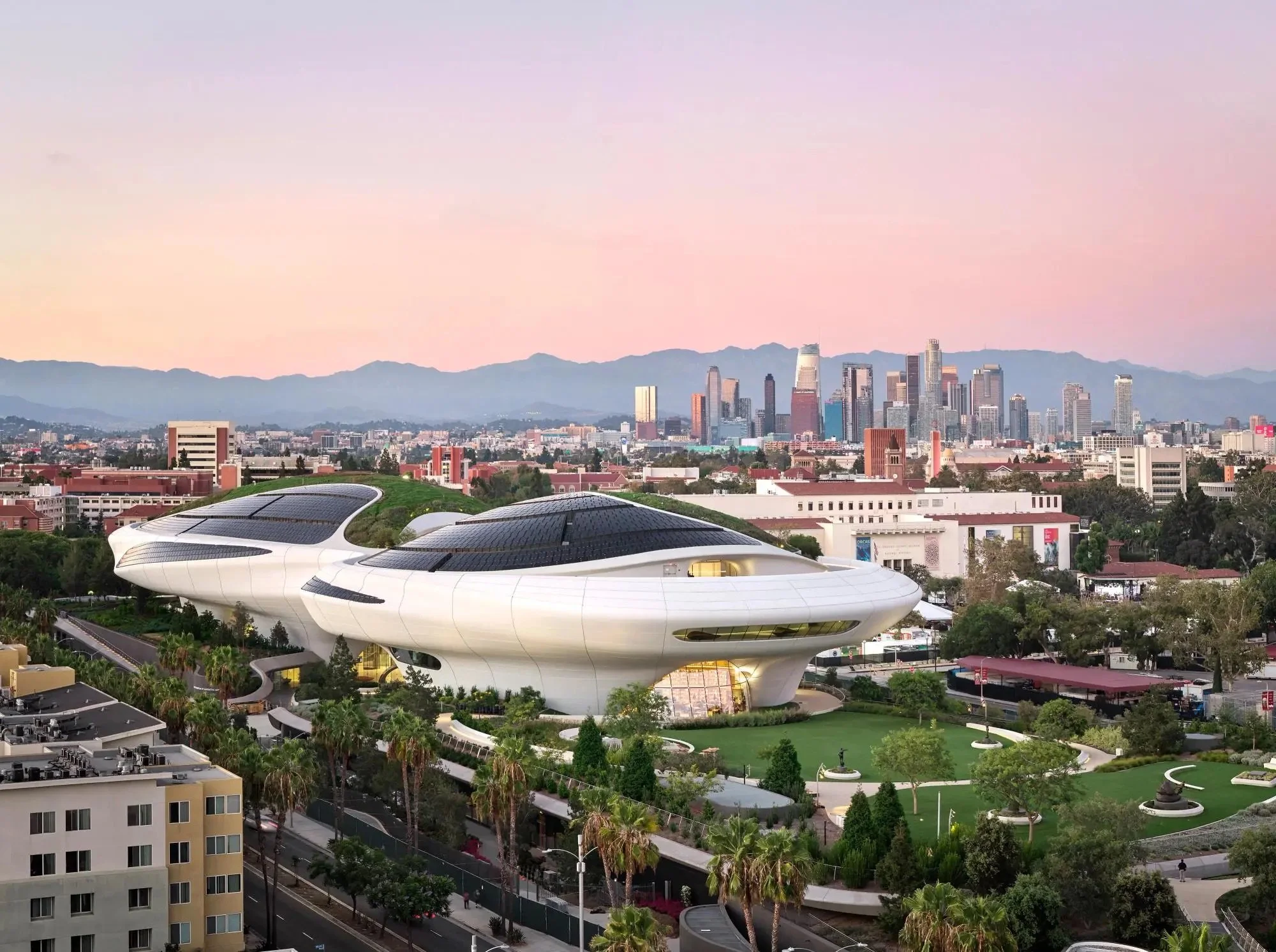
EXPLOREThe Lucas Museum of Narrative Art about to open in Los Angeles.
Some previews are already published…and you can find a few preview videos on the usual websites…
READIn dezeen How craft conquered design – a report asking “Craft has become cool, while industrial design has lost its sparkle. What’s driving the trend? And are they really so different? “Handmade”, “heritage”, “bespoke” – most of us are used to reading these words by now. Just like the food industry before it, the world of design has internalised the language of craft – that of the “local”, “artisanal” and “authentic”.
At the London Design Festival this year (12-20 September) exhibitions of craft abound.
DOWNLOADWalk Together: Design Guided by Country is a framework that provides architects, designers and the built environment profession with guidance for embedding Country, culture and respectful engagement throughout design practice.
Developed collaboratively over several years by the Australian Institute of Architects’ First Nations Advisory Committee and Cultural Reference Panel, the framework encourages deeper understanding, meaningful collaboration and culturally responsive practice..
Anything Else
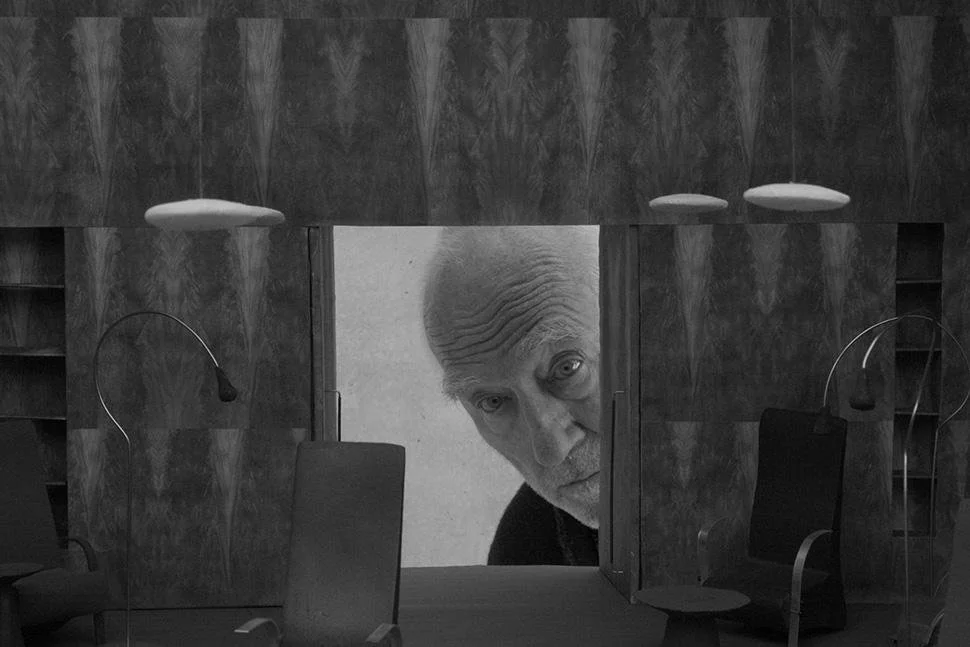
COMING SOONFrom Inside Out: The Architecture of Peter Zumthor. Wim Wenders spent fourteen years making this documentary, and Brad Pitt, a known Zumthor fan, is executive producer. It’s shot in 3D and walks us through Zumthor’s buildings from the point of view of the people who use them, from intimate private homes to the new David Geffen Galleries at LACMA (which featured in our first newsletter). It’s less a lecture than an immersion.
In Wenders’ words: “We all live in houses… yet most of us don’t know much about buildings… We mostly just take it for granted. I wanted to change that.” It’s out in the coming months.
