
August 2026 - Volume 3
Volume 3 marks ten years since Alastair Swayn AO passed away. His belief in the potential of design forms the basis of the thoughts, ideas and projects presented in every Volume - as we explore what has always been imagined to be possible on a planet where it is now increasingly difficult to imagine what might be possible.
We begin with the city — a review of The Modern British City 1945–2000, which charts what became of British cities in the second half of the last century — and then descend to its smallest and most revealing room. The public toilet, Ella den Elzen argues, is where ownership, class and access are quietly settled; the proof is in the plumbing.
From there to the hand. Aeon asks whether all the beekeeping, baking and leatherwork is escapist fantasy or the beginning of a radically human approach to work. It is a useful question to hold while reading what follows: a god we can't trust, a philosopher working inside DeepMind, a manifestoyou can sign, the world's first AI agents to run an architecture studio, and an architect's insistence that craft cannot be automated. Alongside these, two older promises — the smart home that would solve the problem of maternal care, and the building that would save us from sickness before becoming a source of harm itself. The promises are not new. Only the vocabulary is.
We also visit Verner Panton at Vitra and Harry Seidler in Sydney, mourn a vanishing Japan, drive through Milan, drift down Ed Ruscha's Sunset Strip, and consider what it might take to build on the moon.
Recent News
From the Alastair Swayn Foundation
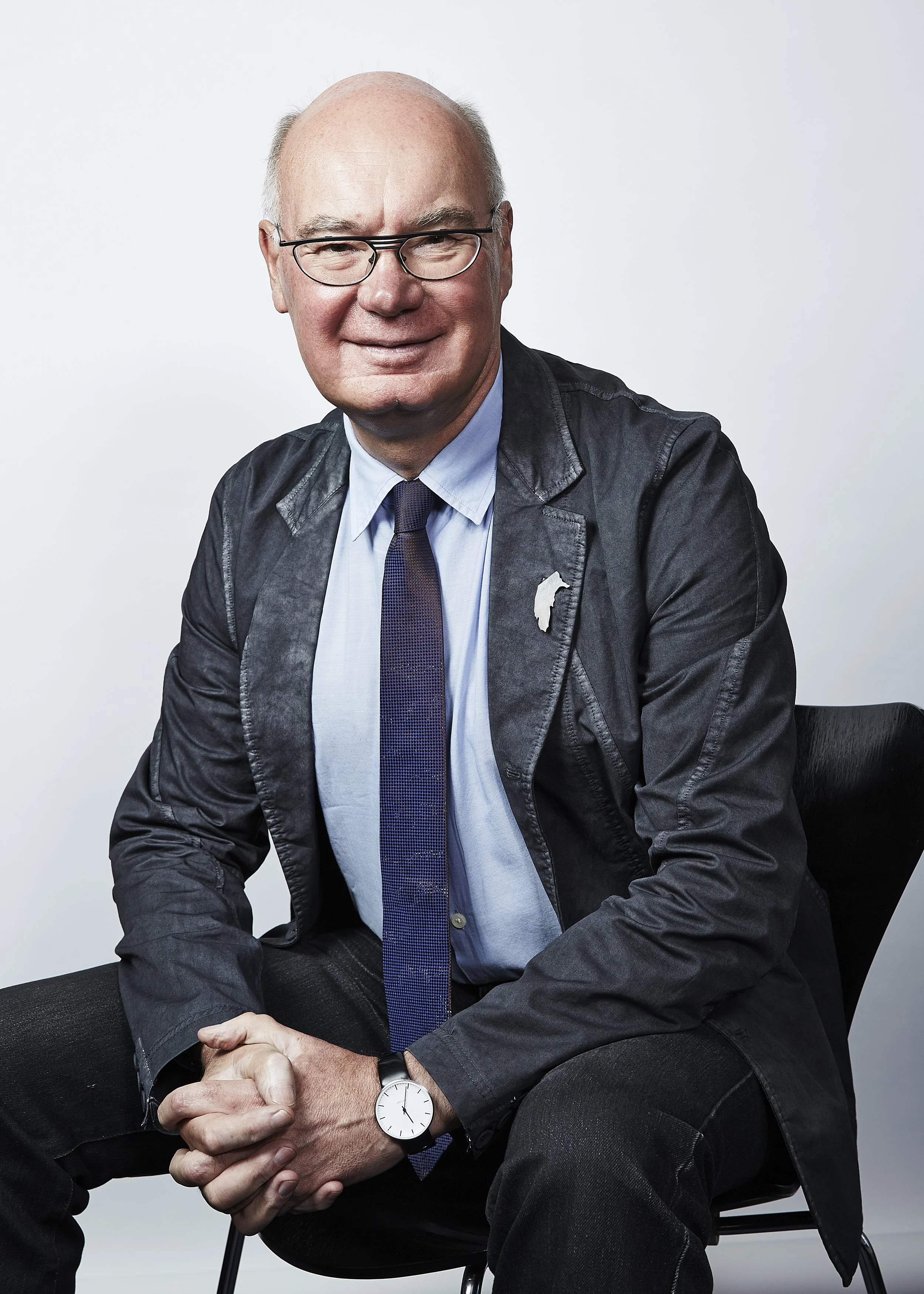
On 4 August we marked ten years since the passing of Alastair Swayn AO. Alastair believed in the grand narrative that architecture and design could build a better world — a world grounded in light, colour, humanity, and the conviction that everyone is born equal and holds an equal right to the world. He endowed the Alastair Swayn Foundation so that belief would keep building. A decade on, the Foundation carries it forward through the research, education and exhibitions shaping the future of Australian architecture and design. We remember him with great affection.
The work continues.
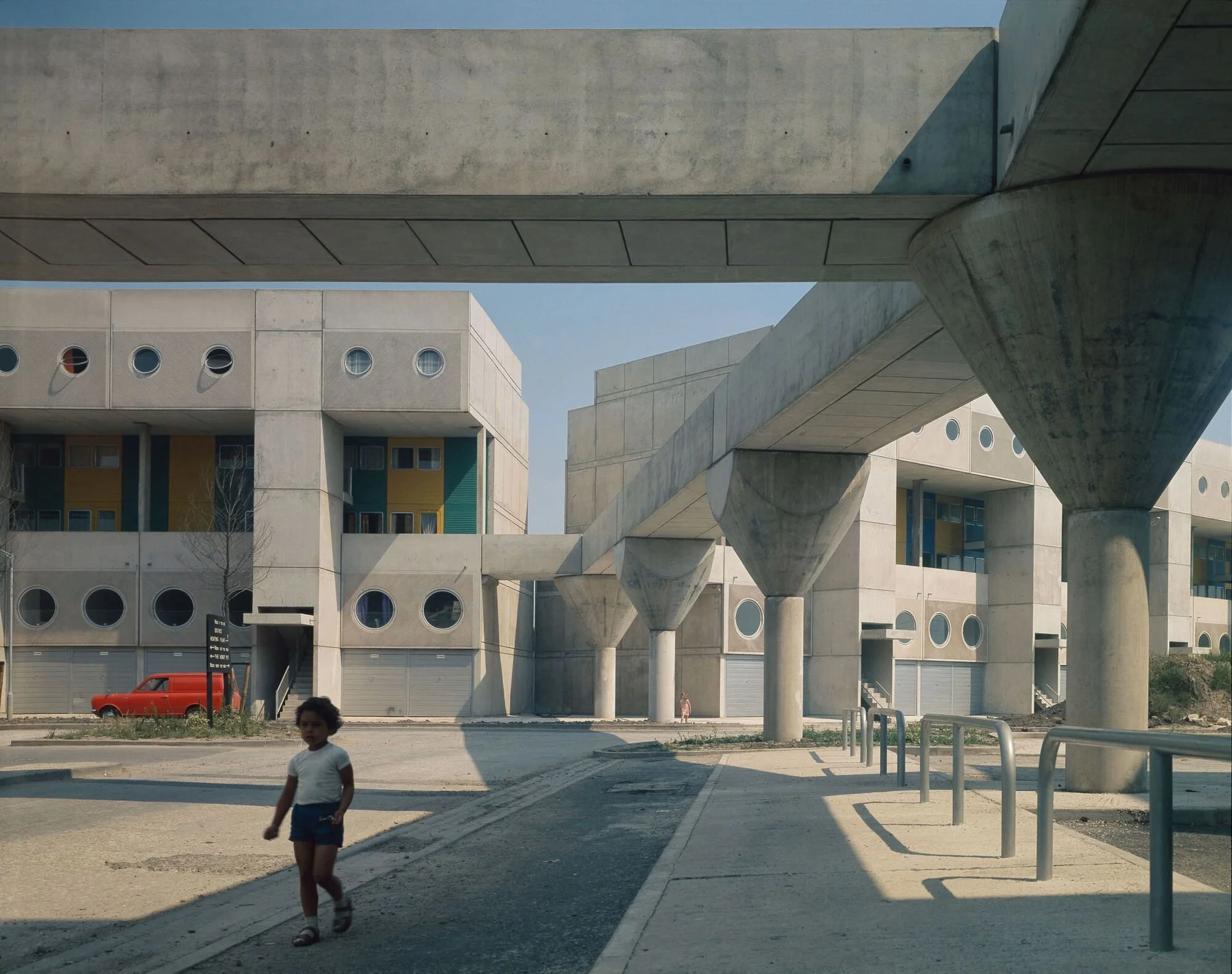
The Southgate Estate, Runcorn New Town, designed by James Stirling with porthole windows to evoke the maritime history of Merseyside (1978).
Matters of Interest
In Design & Architecture
READAn incisive review of a comprehensive book “The Modern British City 1945-2000.” The book brings together architectural, urban and social historians, and charts the extraordinary changes that took place in British cities between the end of the Second World War and the early 21st century. It captures something of the diversity of the modern British city through a multi-disciplinary approach, exploring gentrification and multiculturalism, shopping and night life, as well as demography and statistics.
READ“The proof, they say, is in the plumbing.” For Ella den Elzen, the toilet poses questions of ownership and identity—in the art of the past century (see: urinals by artists Marcel Duchamp and David Hammons) and in public spaces. Taking the pristine, privately owned but “public” bathrooms in Bryant Park as an example, den Elzen considers how class is communicated and access is designated in these murky waters.
LISTENIn what it titles “Skills nostalgia” Aeon Magazine asks “is all the beekeeping, baking and leatherwork just escapist fantasy or the start of a radically human approach to work?”
On AI
READAgainst a history of failed technological promises, independent critic George Scialabba compares AI’s claims to potentially save the world.
READSince 2017, Iason Gabriel has worked at Google Deepmind AI, trying to anticipate – and think through – the impact of AI. But as commercial and geopolitical pressures escalate, can ethicists make any difference?
READRead and perhaps sign The Resonant Computing Manifesto – declaration aimed at exploring the benefits of combining collective intelligence with artificial intelligence.
READFrom Issue 1 of the Humanist Review of AI read “The architect as humanist builder: why AI can’t replace craft.” A conversation with Amaury Greig, a partner at Renzo Piano Building Workshop on the original human-centered design: architecture.
READSoftware developer, Avoice, launches the "world's first AI agents" to run architecture studios.
READArchitect Brian Clohessy of BVN considers AI through the lens of people and practice, offering an optimistic vision of how it could help advance fairness and equity at a time of rapid transformation.
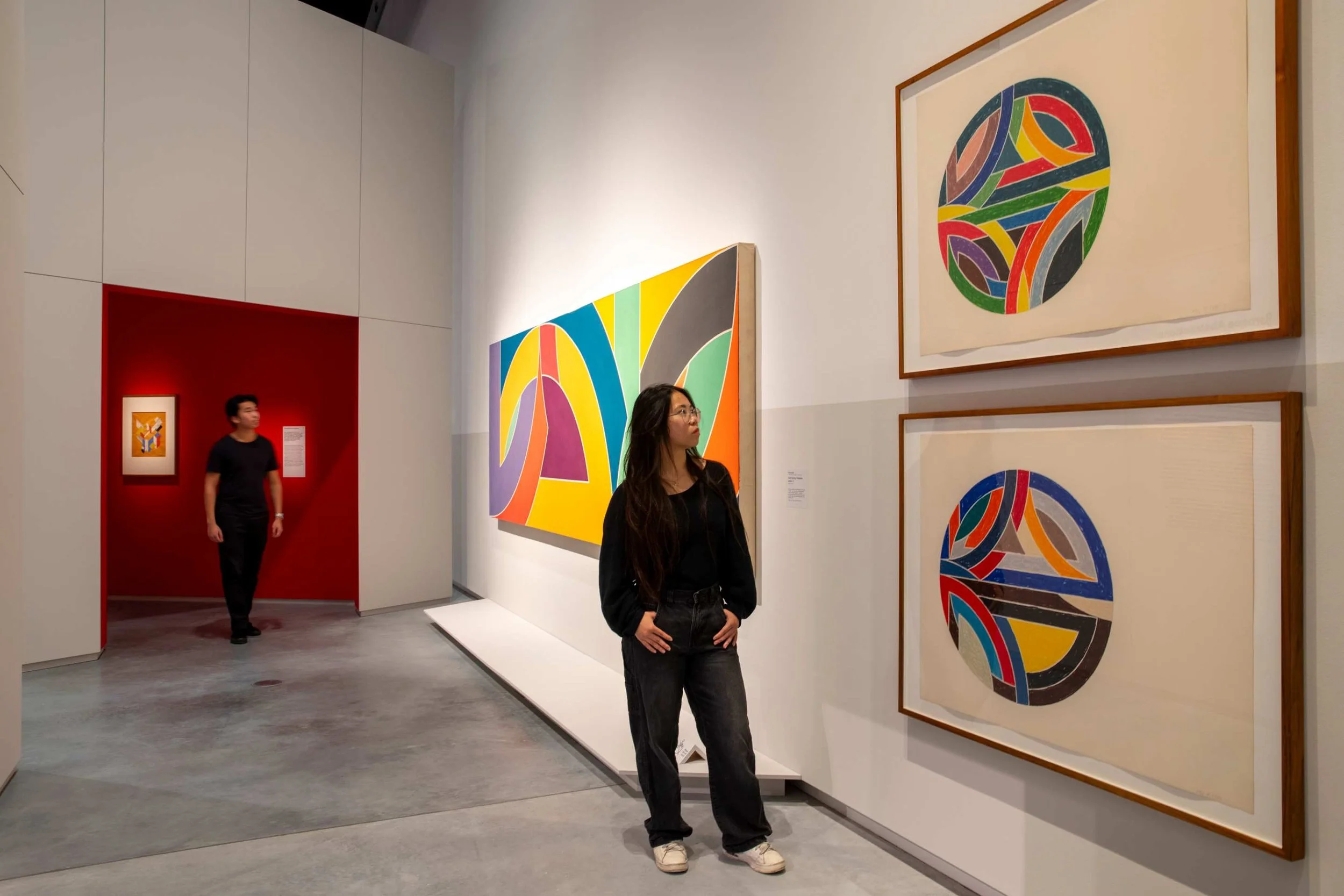
Installation view from ‘Migrating Modernism.
VISITThe Chau Chak Wing Museum at the University of Sydney to see a new exhibition on the work of architect Harry Seidler “Migrating Modernism. The architecture of Harry Seidler.” You might want to read a reviewbefore you go…
READA review of a recent exhibition at the Vitra Design Museum of works by the famous Danish designer, Verner Panton.
READFrom the MIT Press Reader "The False Promise of the First ‘Smart’ Homes." Computerized rooms, telework stations, and child-soothing technologies sold a seductive illusion that automation could solve the problems of maternal care. And "Can Architecture Ever Save Us From Sickness?" Design has long promised to protect us from disease. But its cures have a way of becoming new sources of harm.
READFrom Owen Hatherley (British writer and journalist) an extensive review of American architectural historian Naomi Pollock’s new book Vanishing Japan – a catalogue of disappearing Japanese architecture. Hatherley reviews Pollock’s book in the context of his own search for iconic, modern Japanese architecture.
READA motoring journal – Driven to Write – reflects on Milan’s most recent design week – Salone di Mobile – where the city co-hosts what the magazine calls an unofficial “Salone del Automobile” not to launch new cars but build brands.
READAbout building on the moon…NASA's Architectural Strategy for Permanent Lunar Habitation…
EXPLORESunset Boulevard in Los Angeles as photographed by artist Ed Ruschanow digitised from the 65,000 photographs taken by Ruscha between 1965-2007. The original was published by Ruscha himself in 1966 as a foldout book titled “Every Building on the Sunset Strip.”
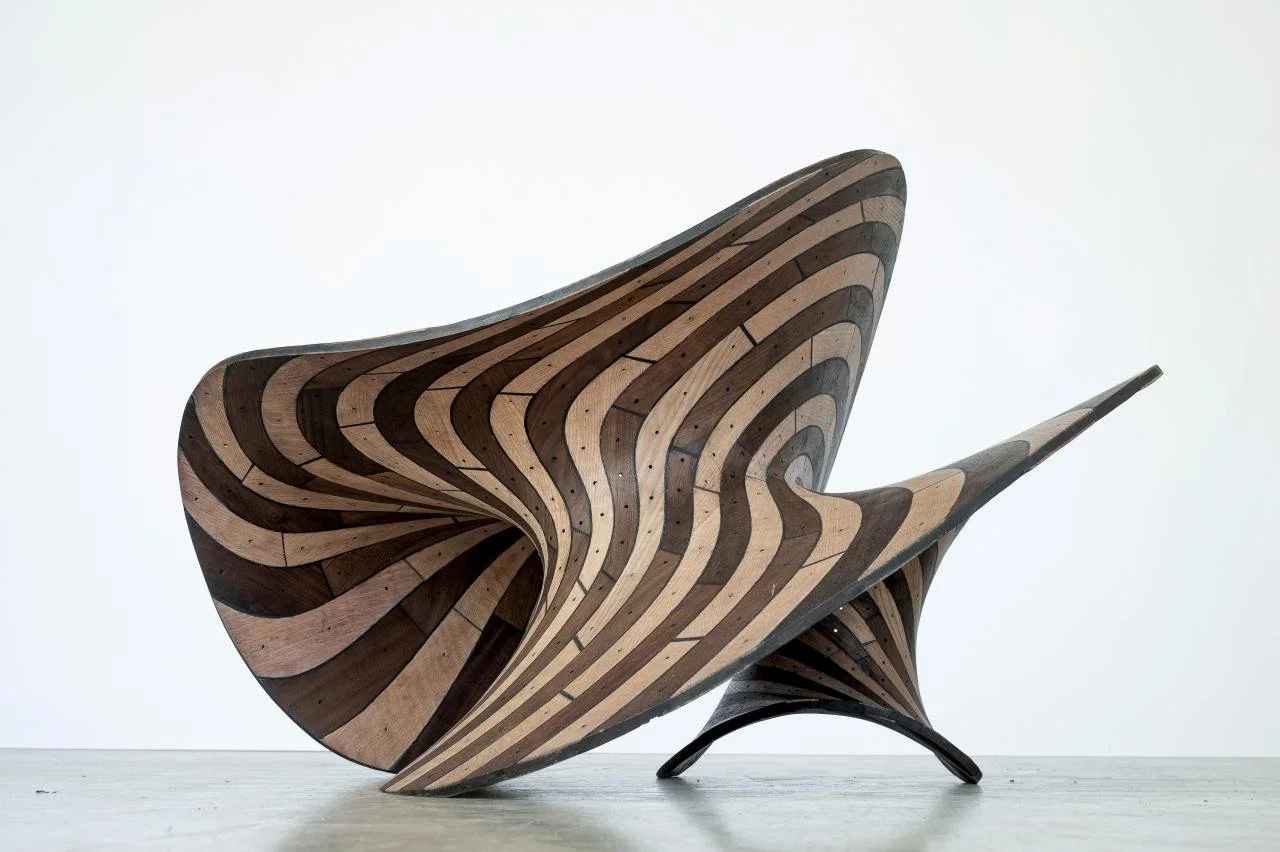
Joris Laarman Ply loop chair 2025. Photo: Leonard Faustle
VISITThe Ian Potter Centre: NGV Australia to see "Plant Life: The Nature of Design", a world premiere bringing together more than 60 works across furniture, architecture, craft, decorative arts, photography and film, made from everything from fungi-grown leather to hemp fibreboard. Developed with RMIT University, it traces our relationship with the plant world from ancestral craft knowledge, through industrial exploitation and the rupture of the petrochemical century, to the designers building a regenerative material future — alongside work by First Nations practitioners in bull kelp, grass weavings, bark, bamboo and yaré vine, plant-based knowledge systems that the petrochemical century never interrupted.
Free entry, 28 August 2026 – 7 February 2027.
A Competition
The Basque Architecture Biennial is inviting architects to design three ephemeral installations for the iconic public squares of San Sebastián, Bilbao and Vitoria-Gasteiz, under this edition's theme "Bueno, bonito, barato" (good, beautiful, affordable) and the tension between all three.
A €10k prize per city + 50k construction budget.
Proposals close 18 September.
