
Swayn Open Research
The Alastair Swayn Foundation is committed to information sharing and transparency of the research it funds. We believe that research supported by the Foundation should be made discoverable and readily accessible online. The Swayn Open Research repository provides a place for researchers to promptly have their findings published on an open access basis, to benefit the architecture and design community.
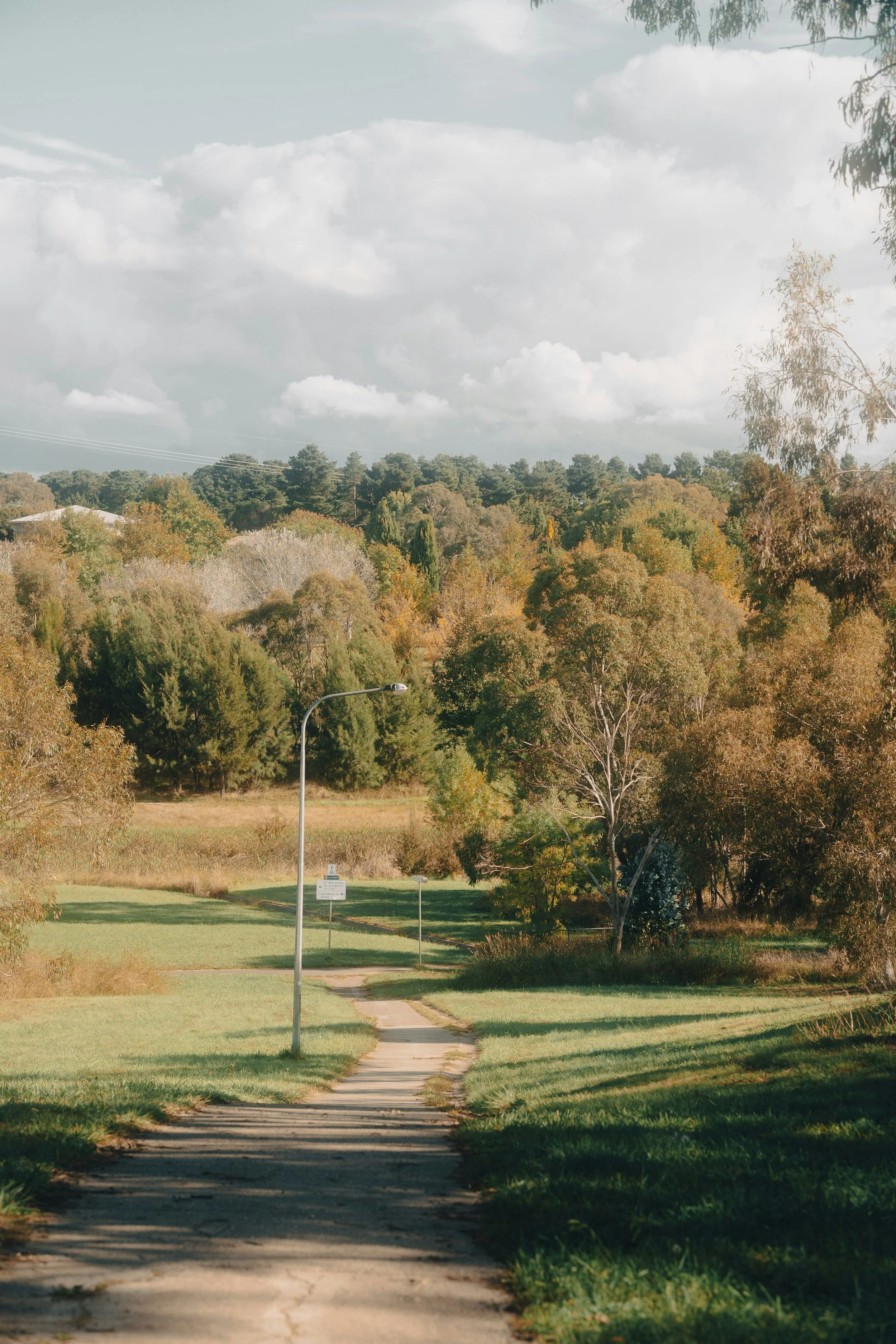
How integrated into their communities are aged care typologies in Canberra? An assessment of walkability
A case study of Canberra Aged Care in Lyneham, Australian Capital Territory (ACT), forms the basis of a mixed-methods study combining the Seniors Walking Environmental Audit Tool-Revised (SWEAT-R), and spatial and visual mapping. Central to this study is a novel phenomenological graphical delayering method, developed to translate the experience of walking into a visual analytic tool.
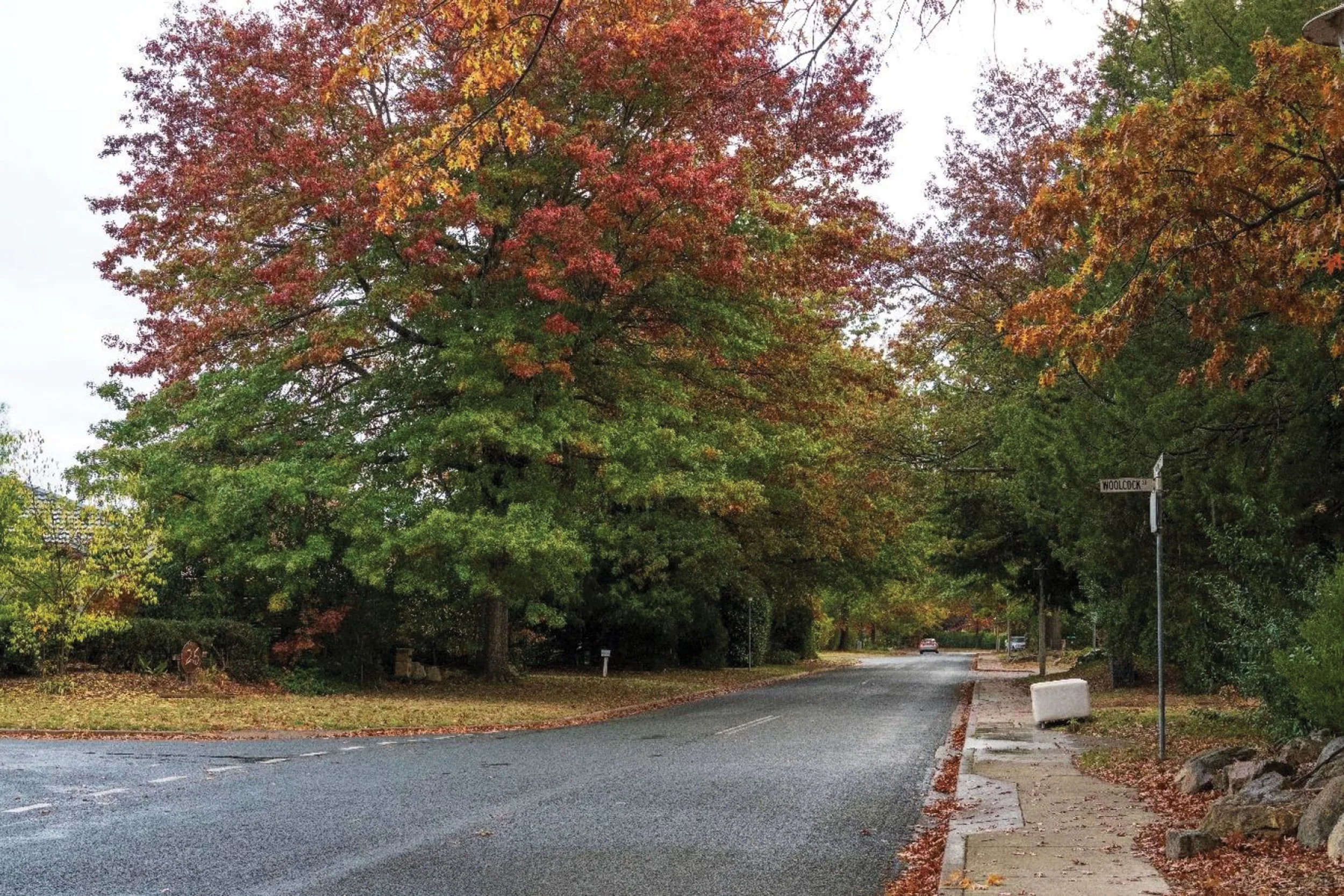
Colouring Canberra’s Suburbs Blue: exploring an alternative densification option for suburban infill
Using the post-war suburb of Watson as a case study, the research analyses the characteristics of Canberra’s “ex-govie” suburbs, where redevelopment pressures are intensifying. Four design scenarios were developed using a real urban section in Watson to test how Bluefield housing principles could be applied to Canberra’s context.
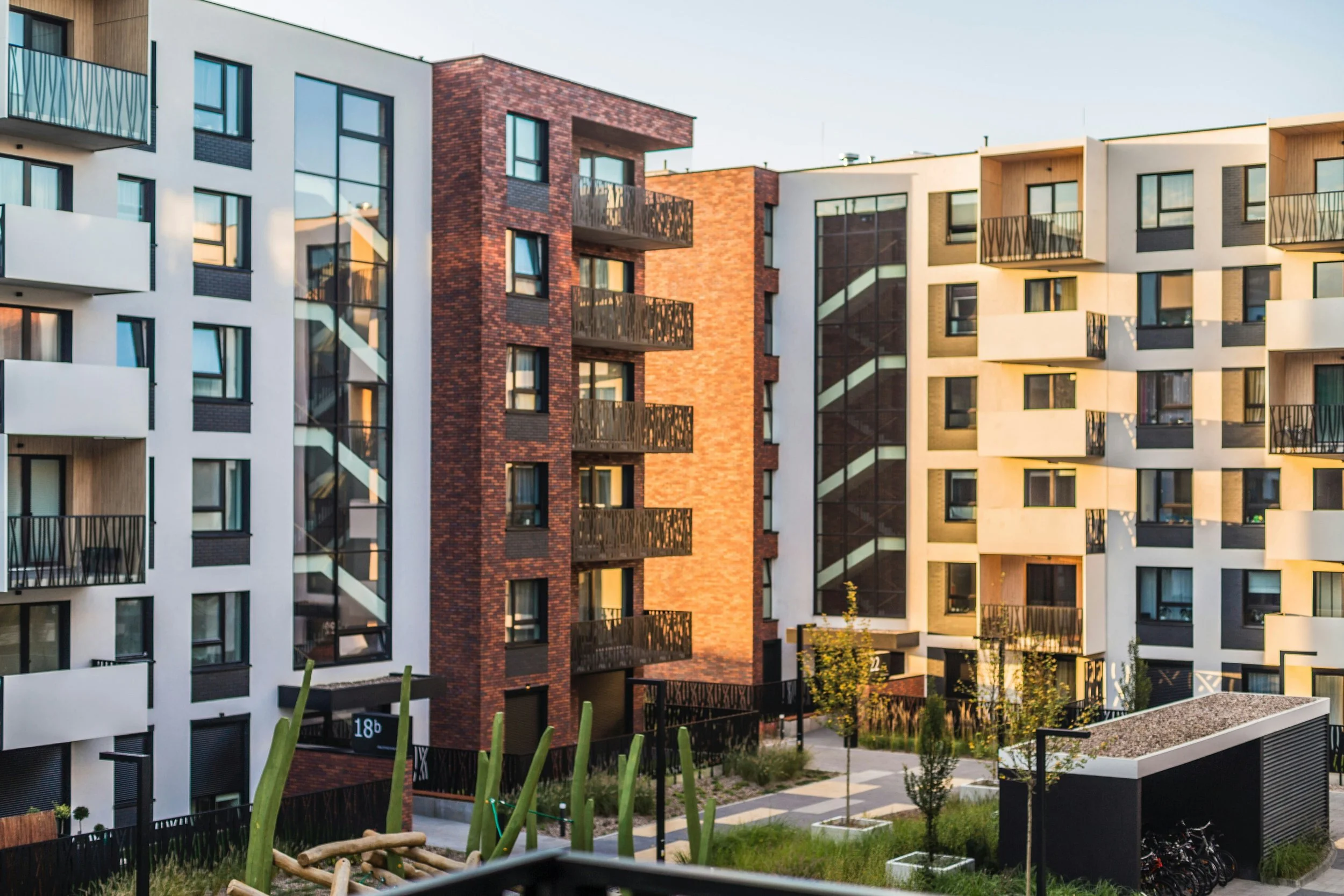
Family-Friendly Apartments in Canberra: Spatial Lessons from Detached Houses for Higher Density Housing
Apartment living is often regarded as unsuitable for Australian families with children. However, this perception may reflect the spatial limitations of typical apartment design rather than an inherent incompatibility between families and higher-density housing.
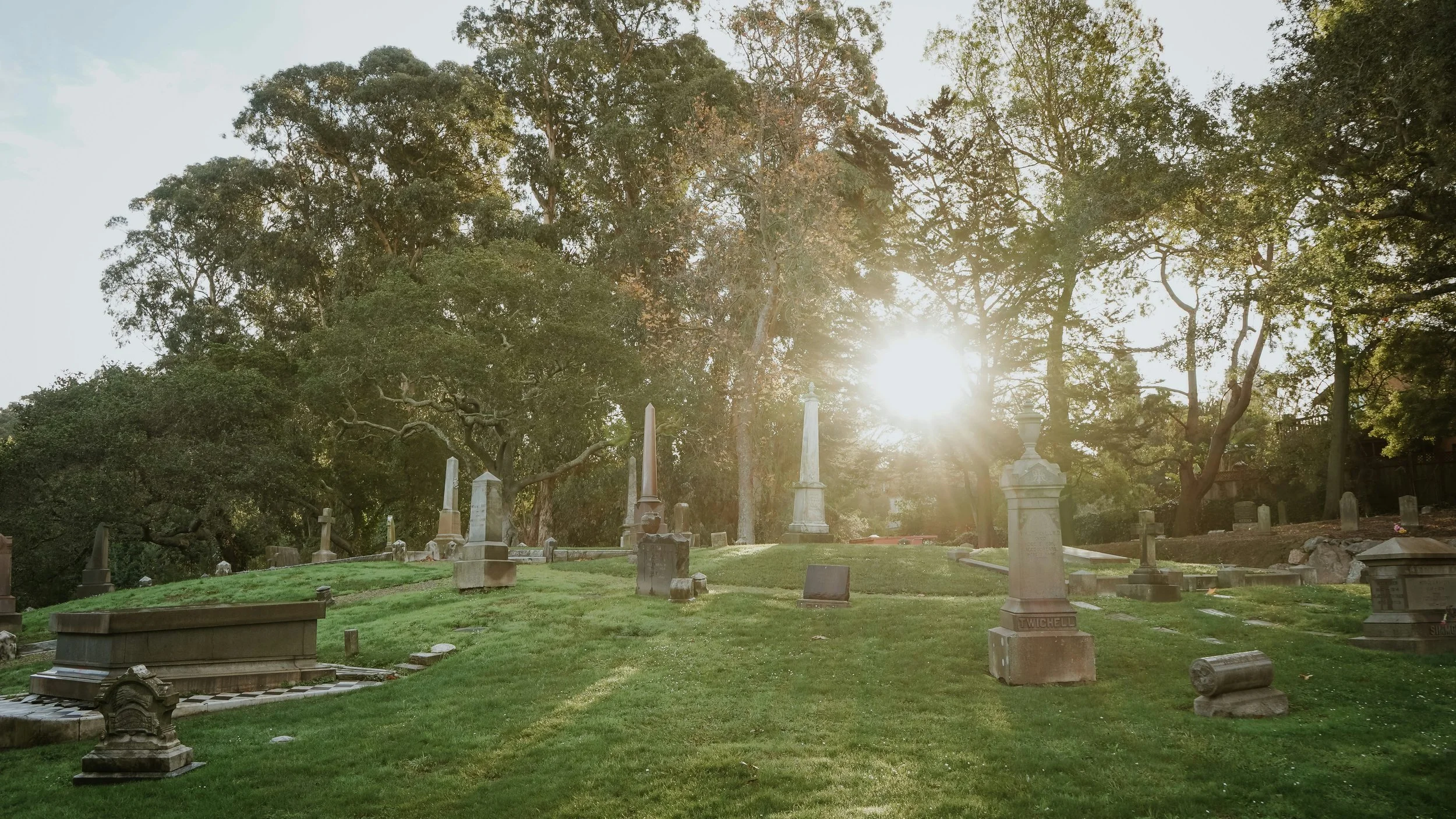
Interface: Cemetery and City
This paper looks at the contribution of cemeteries and death spaces to the city and the living and the future of our death planning in Canberra. To understand the contribution of cemeteries to the living, case studies of the size, location, and age of cemeteries in Canberra, Sydney, Edinburgh, Oslo, and Washington are mapped and compared.
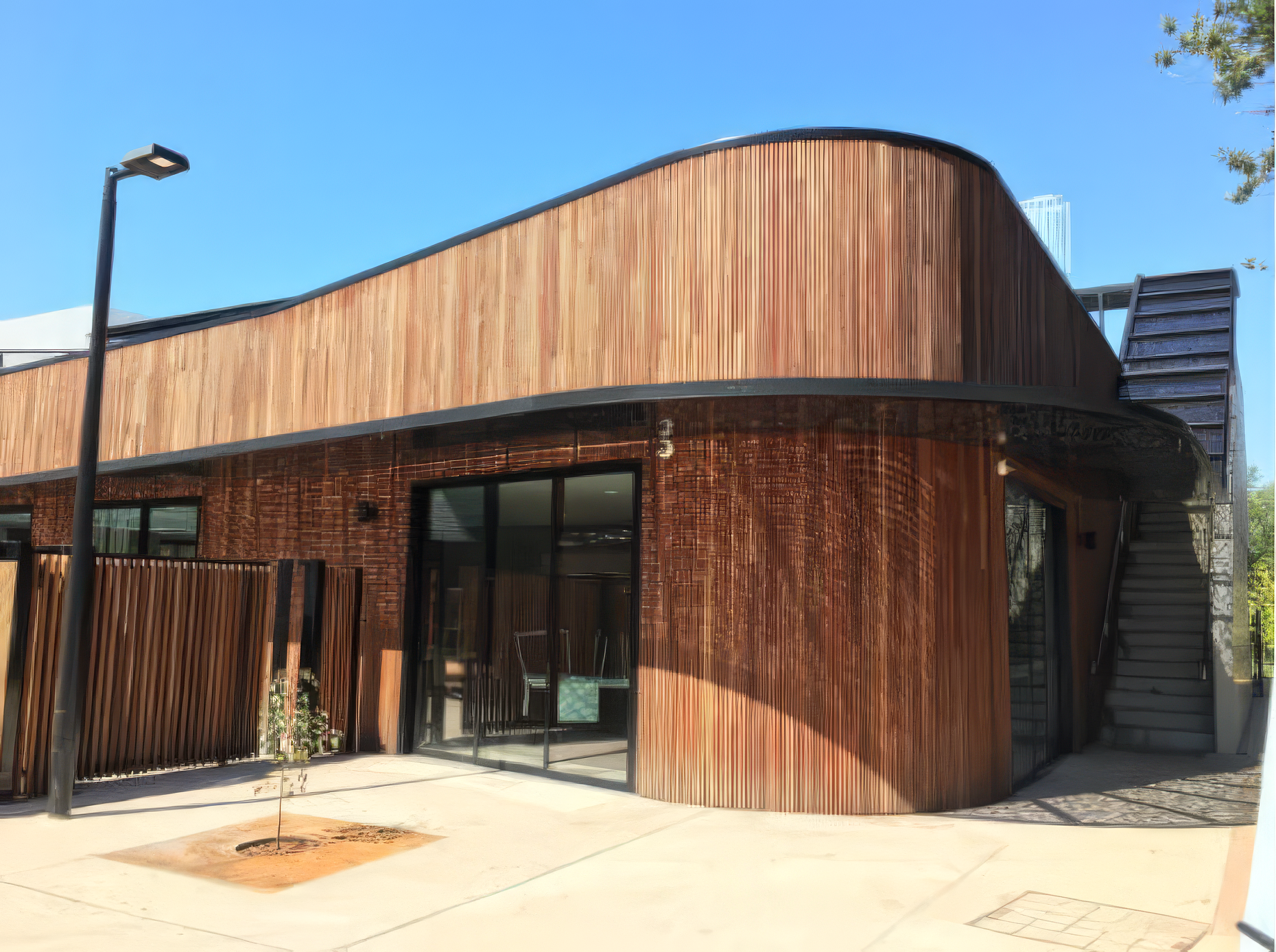
Built Forms on Ngunnawal Country: Investigation and Adaptation
Traditionally, throughout white Australian history, the built environment has been used as a tool for colonisation. From the first colonials on Australian soil to modern day Australia, the built environment has been expanding its territory, resulting in the continued displacement, and forced assimilation of First Nations people in Western cultures.
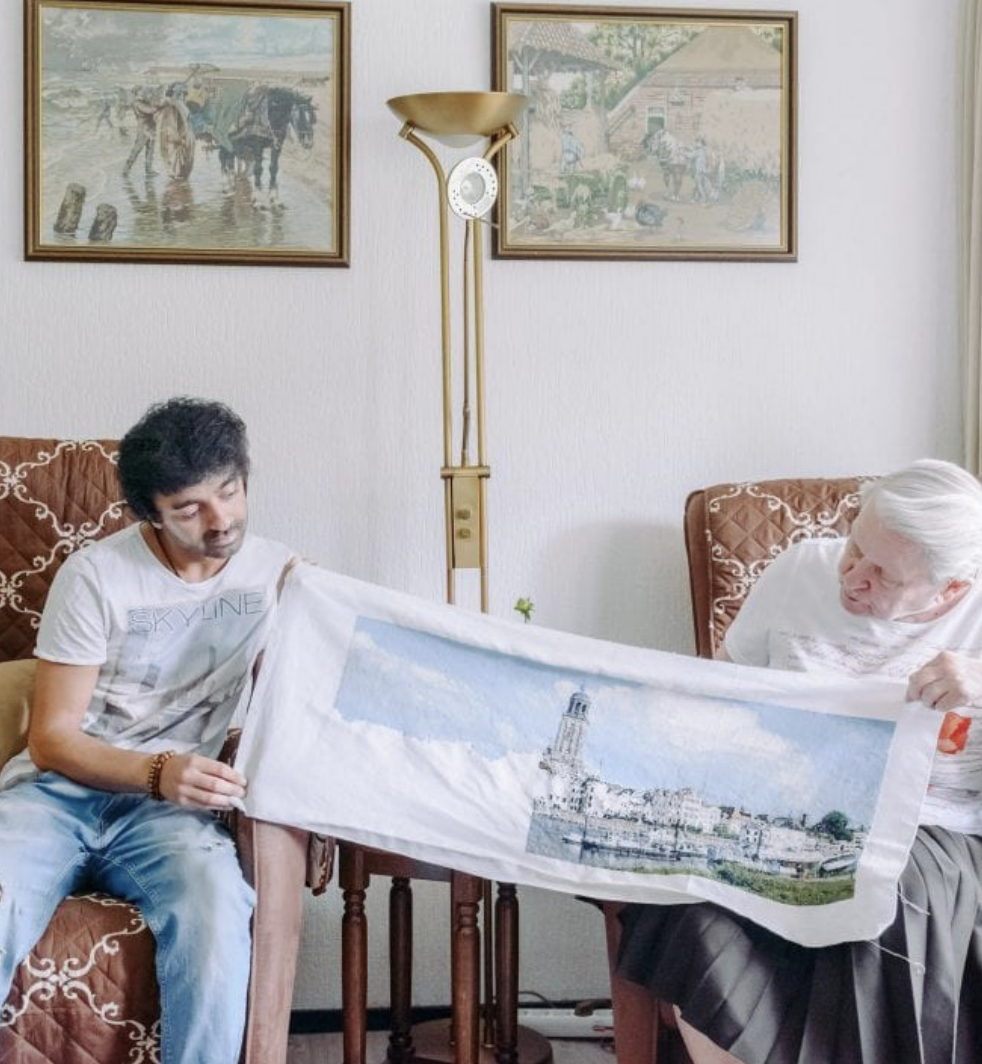
Living Together: The Role of Shared Living in Canberra’s Future Urban Design
Canberra’s future urban design framework will need to respond to several challenges, including a rapidly growing population with limited land, providing affordable housing options to all households, promoting more sustainable practices, and enhancing amenity and choice for residents. This report investigates the role of shared living in Canberra’s urban design mix as a response to these challenges, focussing on opportunities and challenges.
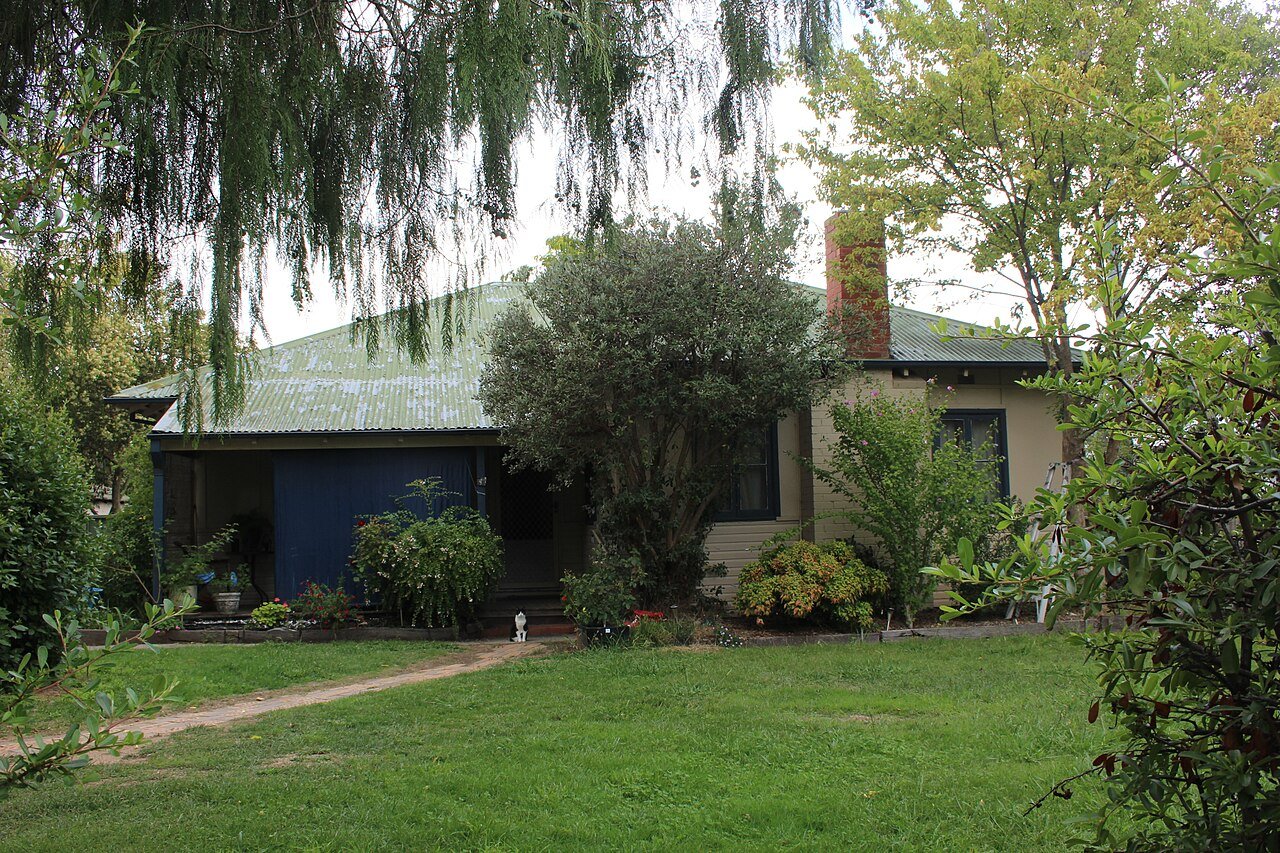
The Future of the Canberra Suburb: An Exploration of Canberra’s Inner Suburbia and the Possibilities for its Densification
This research investigates the Tocumwal Housing sites of O’Connor, Canberra, to explore the possibilities for accommodating Canberra’s growing population within its existing inner suburbs in a manner that retains their unique character underlying principles.