
Swayn Open Research
The Alastair Swayn Foundation is committed to information sharing and transparency of the research it funds. We believe that research supported by the Foundation should be made discoverable and readily accessible online. The Swayn Open Research repository provides a place for researchers to promptly have their findings published on an open access basis, to benefit the architecture and design community.

Developing Spatial Design Know How with and for Young People Living in Out-of-Home Residential Care
Bringing spatial design and lived experience together in dialogue, the project focused on the environment of residential care in relation to questions of belonging and ‘home’. The aim of this project is to develop a shared understanding of spatial design know-how that can be used by young people currently living in residential care.
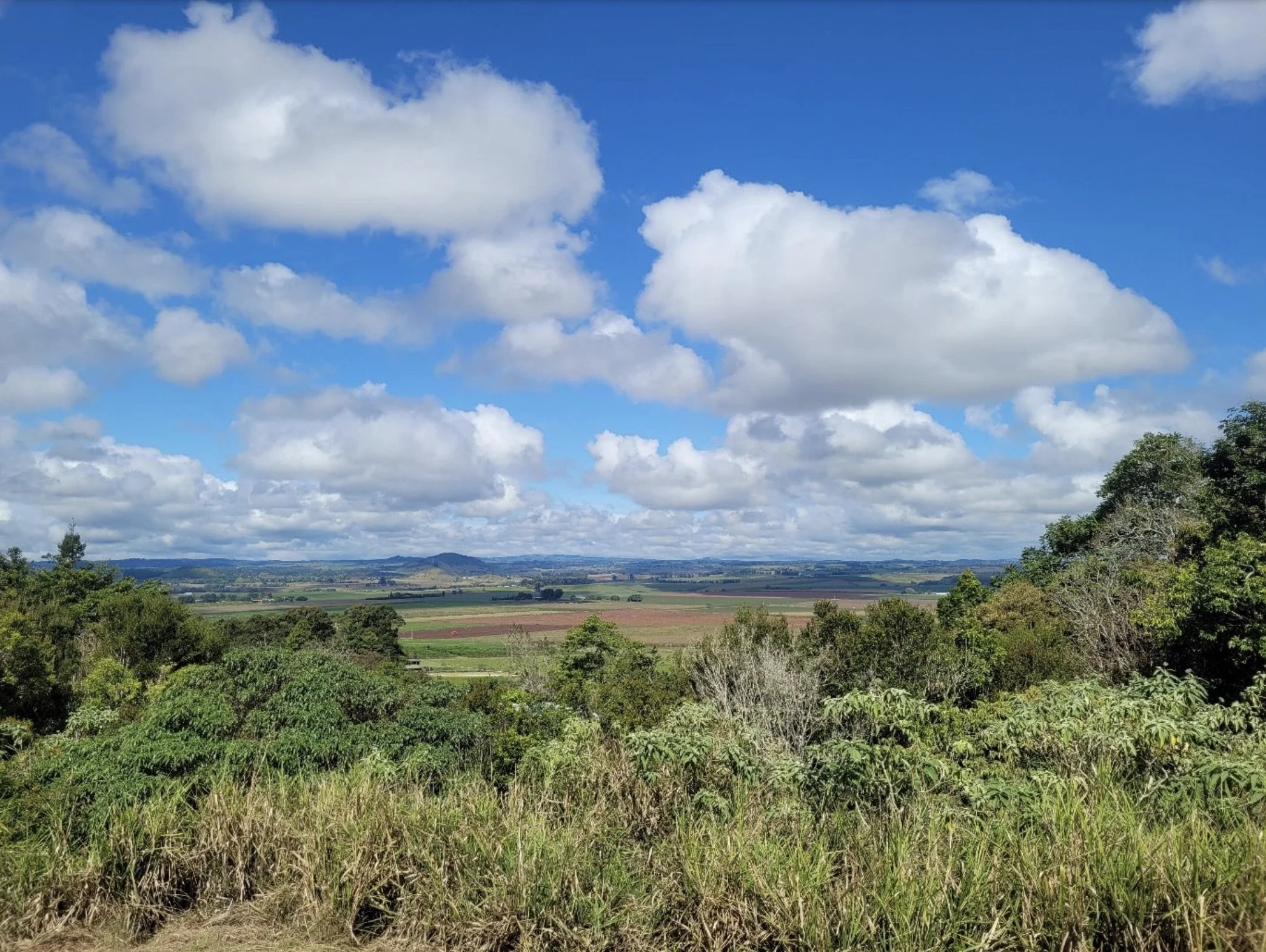
Rural Design in Queensland: Case Studies
This project seeks to examine Dewey Thorbeck’s propositions about rural design in relation to Queensland places, based on four case studies with an intention of creating more case studies as a basis for ongoing discussion about and engagement in rural design.
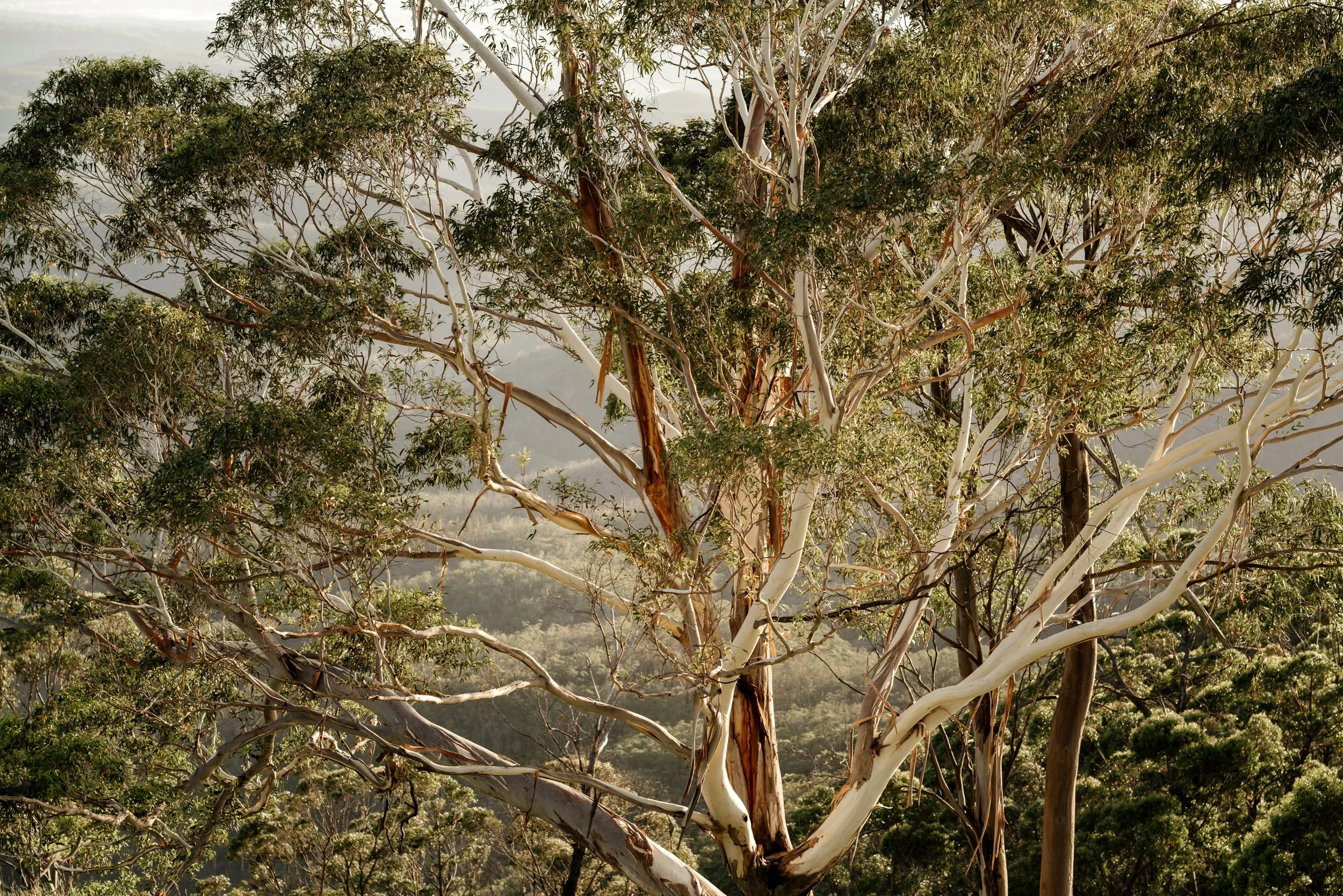
Pathways Towards Inclusion: First Nations’ Principles (Sharing, Making and Kinship in Australian Workplace)
This research investigates Indigenous approaches to working; collaboration in working environments, and the structure of working organisations in themselves to define a set of preliminary principles to encourage the next evolution of Australian workplace design and practice.
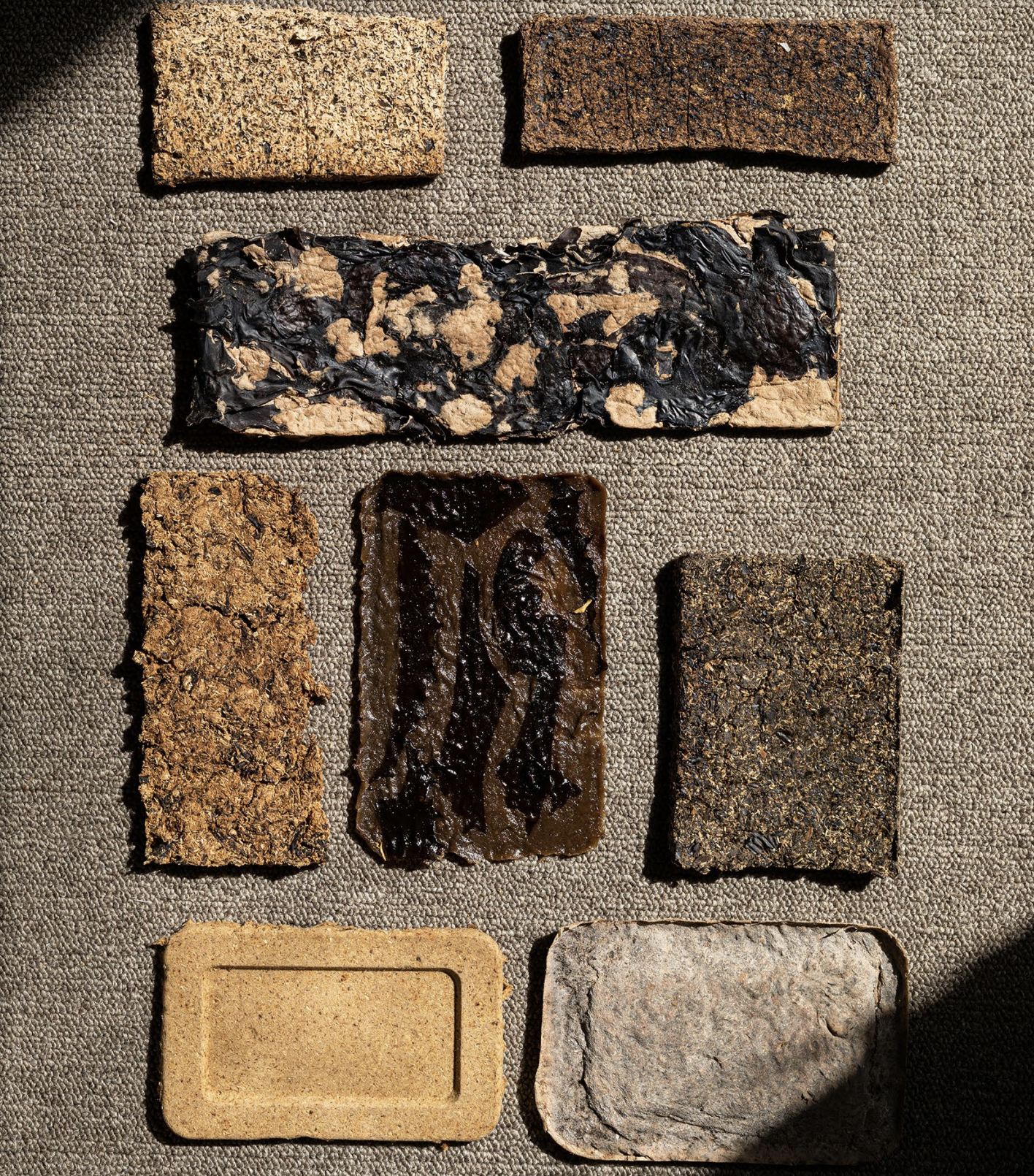
Phycoforms: Building the Future with Seaweed
Phycoforms was created to explore the potential of utilizing biofouled content from the seaweed farming process to create rigid compressible seaweed biocomposites for the building industry. This material system exploration looks into the unique properties of alginate present in brown seaweed and how this can be utilized to make more resilient and fire-retardant building materials.
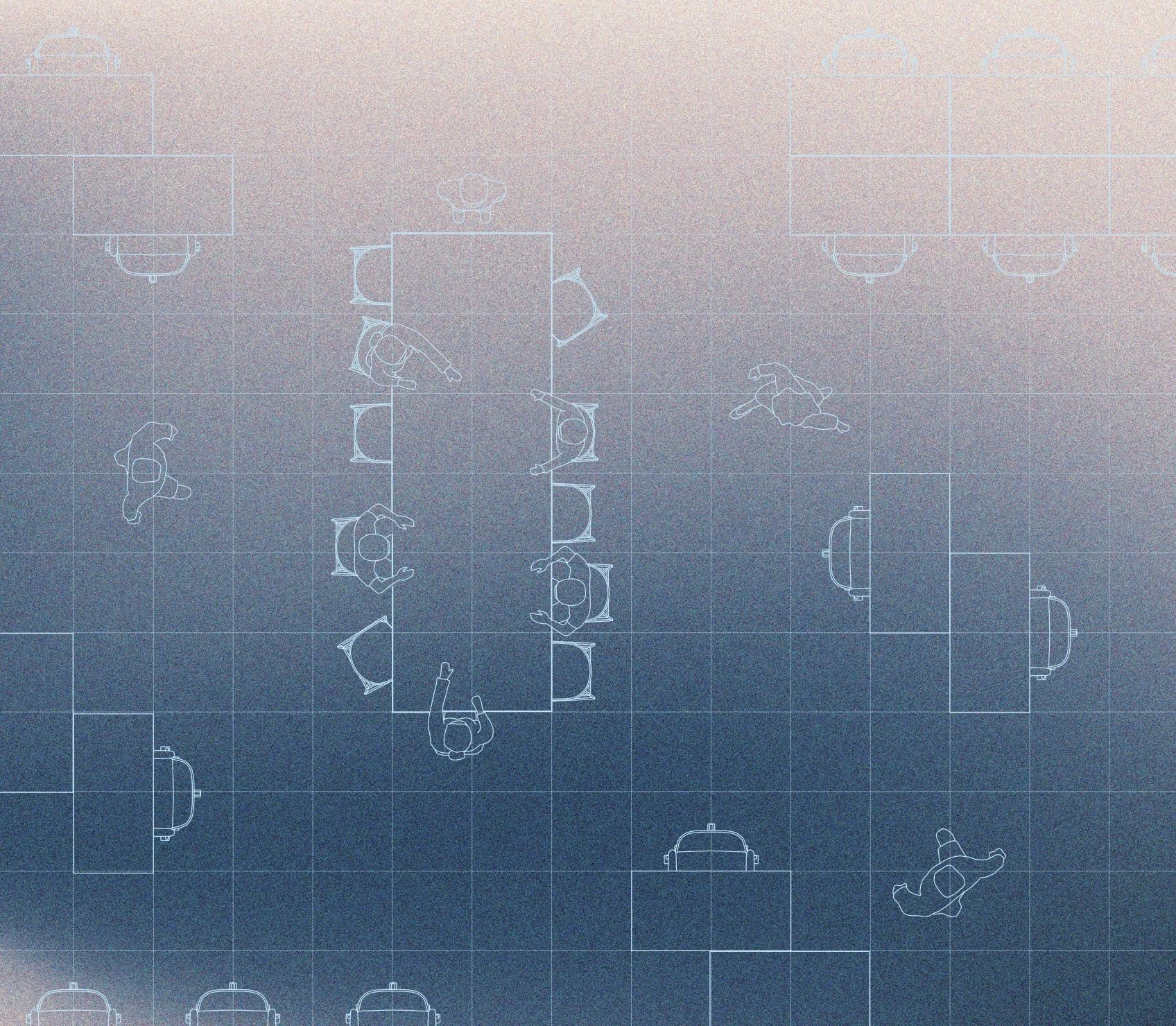
Supporting Social-Capital in an Omni-Channel Workforce: Findings from an adaptive workplace pilot
This case study reports findings from Mirvac’s Adaptive Workplace Pilot, an experimental work floor within the company’s Sydney CBD office designed to test spaces and tools most effective in supporting seamless hybrid work. The pilot targeted challenges of human connection, knowledge exchange, and community in a hybrid workforce, with observations, focus groups and utilisation measurements conducted from May to September 2022.
Interface: Cemetery and City
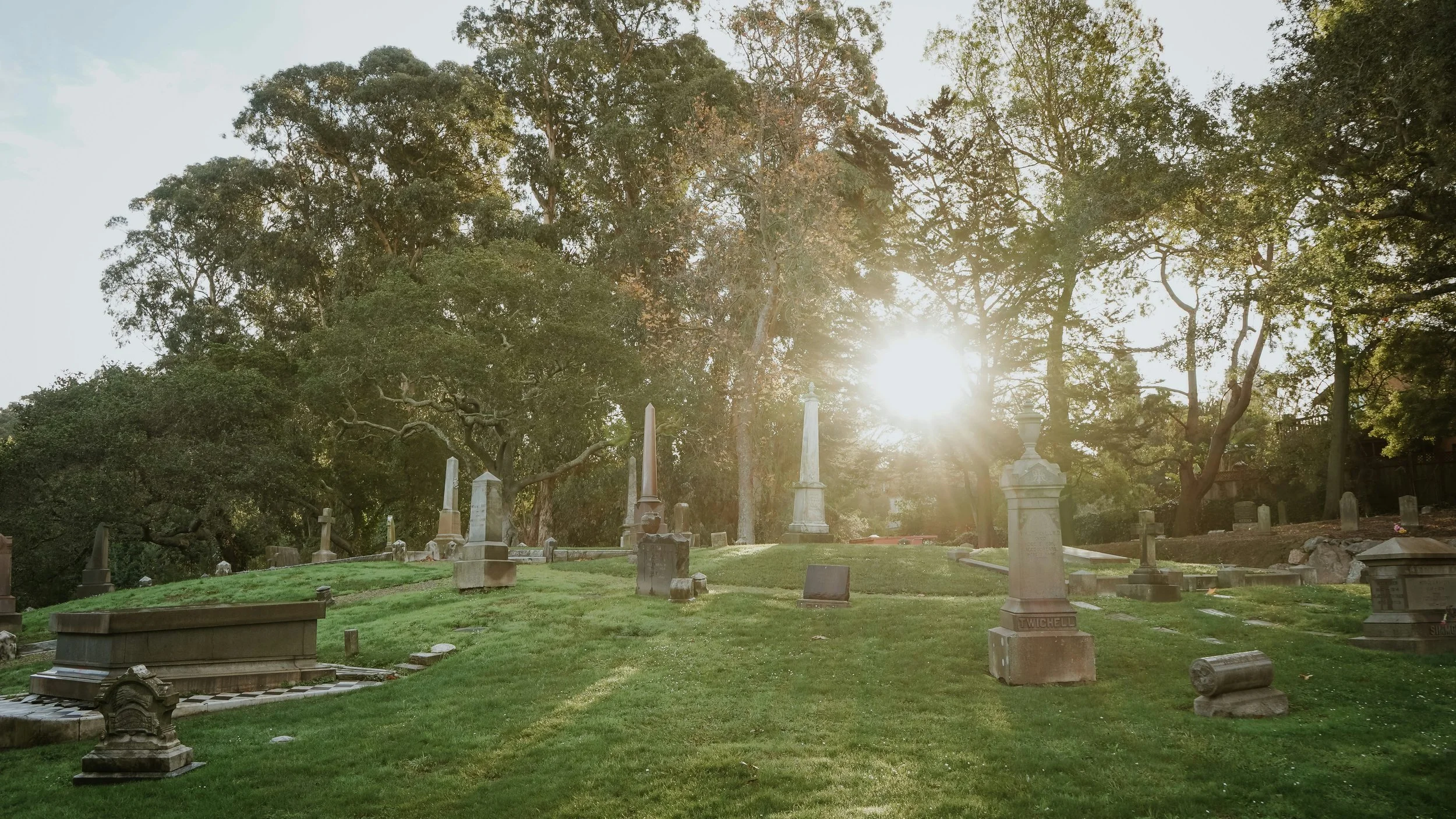
This paper looks at the contribution of cemeteries and death spaces to the city and the living and the future of our death planning in Canberra. To understand the contribution of cemeteries to the living, case studies of the size, location, and age of cemeteries in Canberra, Sydney, Edinburgh, Oslo, and Washington are mapped and compared.
Built Forms on Ngunnawal Country: Investigation and Adaptation
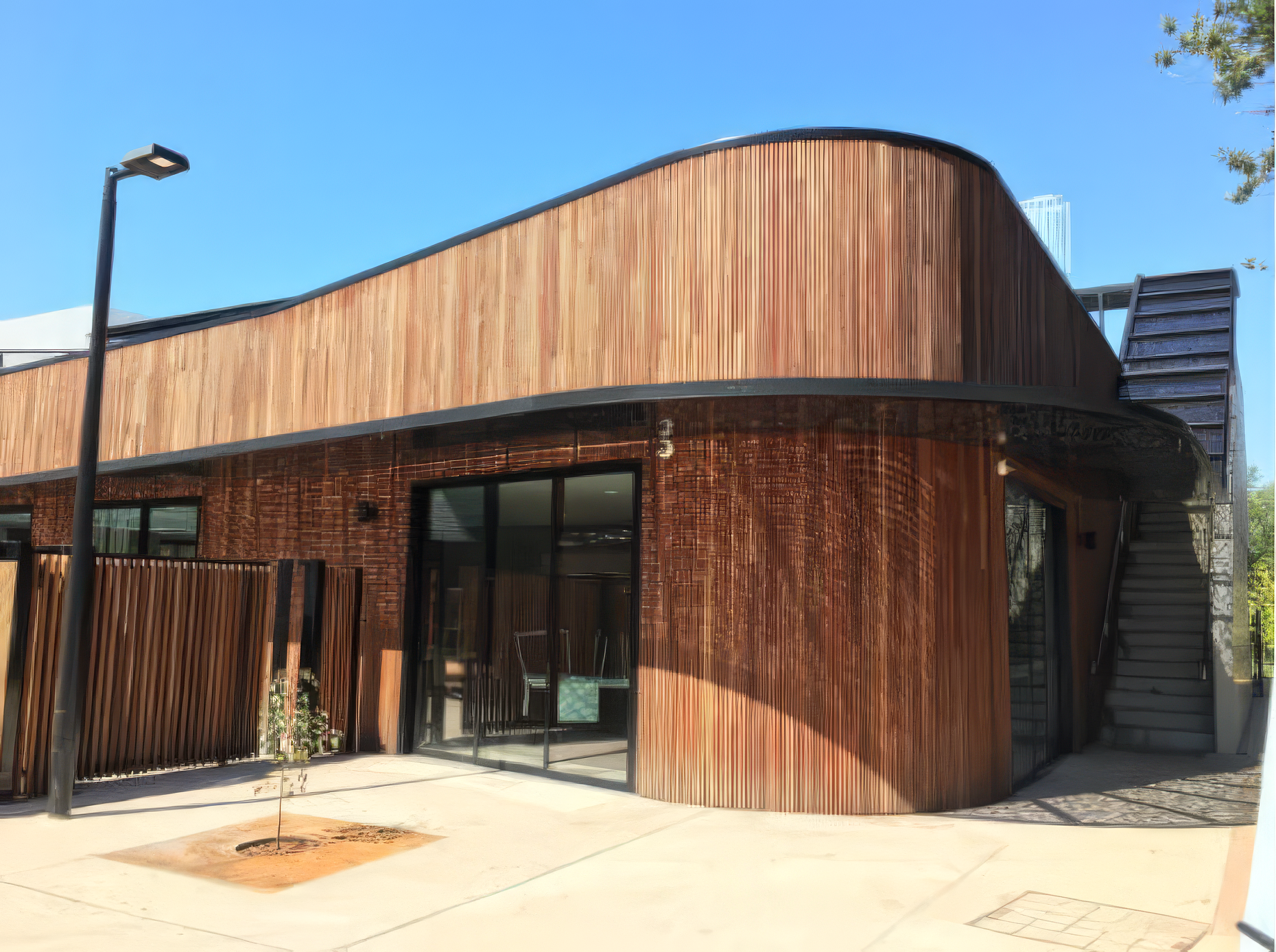
Traditionally, throughout white Australian history, the built environment has been used as a tool for colonisation. From the first colonials on Australian soil to modern day Australia, the built environment has been expanding its territory, resulting in the continued displacement, and forced assimilation of First Nations people in Western cultures.