
Swayn Open Research
The Alastair Swayn Foundation is committed to information sharing and transparency of the research it funds. We believe that research supported by the Foundation should be made discoverable and readily accessible online. The Swayn Open Research repository provides a place for researchers to promptly have their findings published on an open access basis, to benefit the architecture and design community.
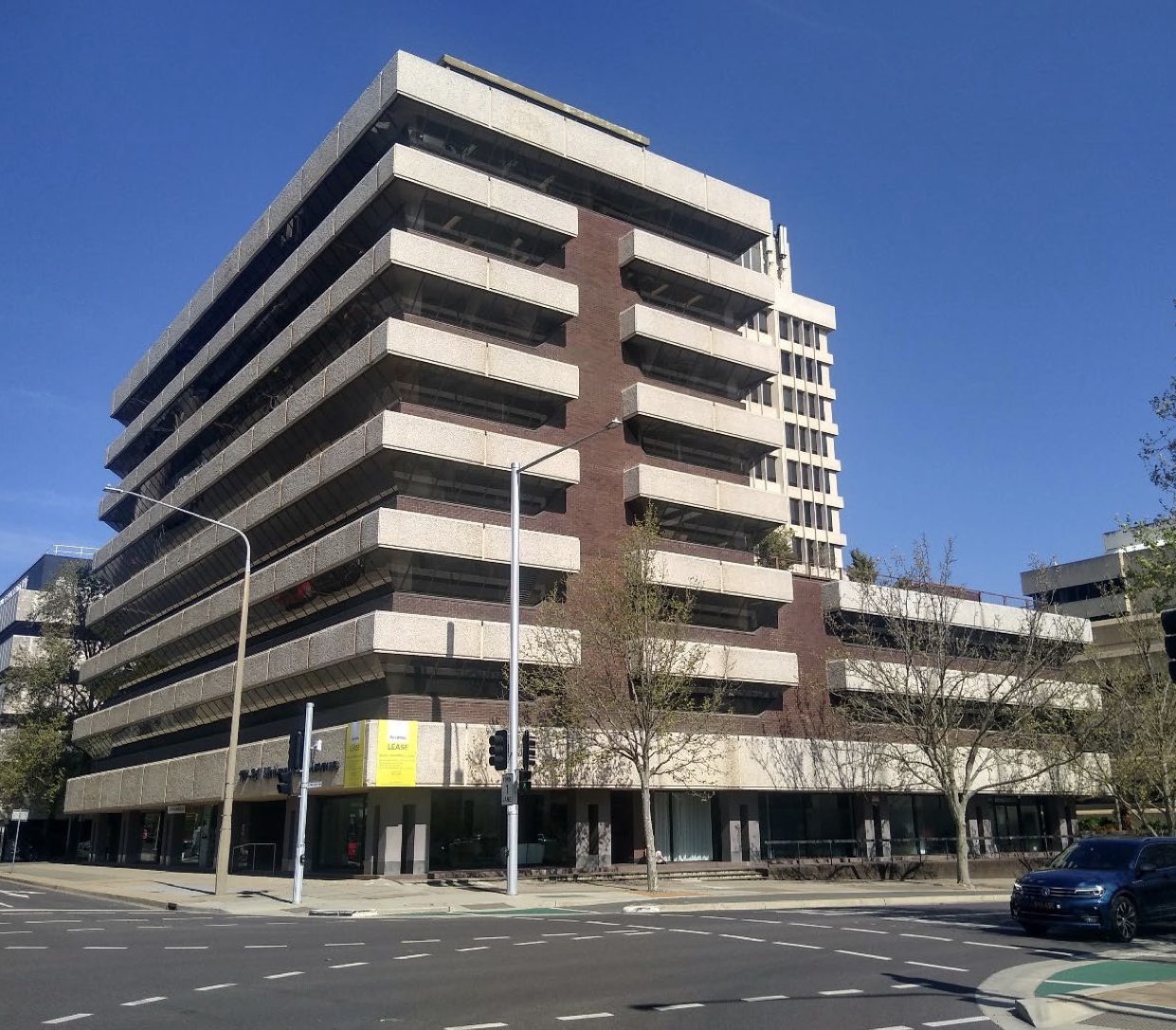
Adaptive Reuse and Canberra: How does the application of adaptive reuse of commercial office buildings for residential purposes fit into Canberra’s urban planning goals for 2030?
In Canberra, adaptive reuse has been applied to museums, galleries, hotels, and student accommodation, primarily through interior modifications. However, office-to-residential conversions remain rare due to strict building regulations, and no such projects exist in the Canberra CBD, despite its potential.
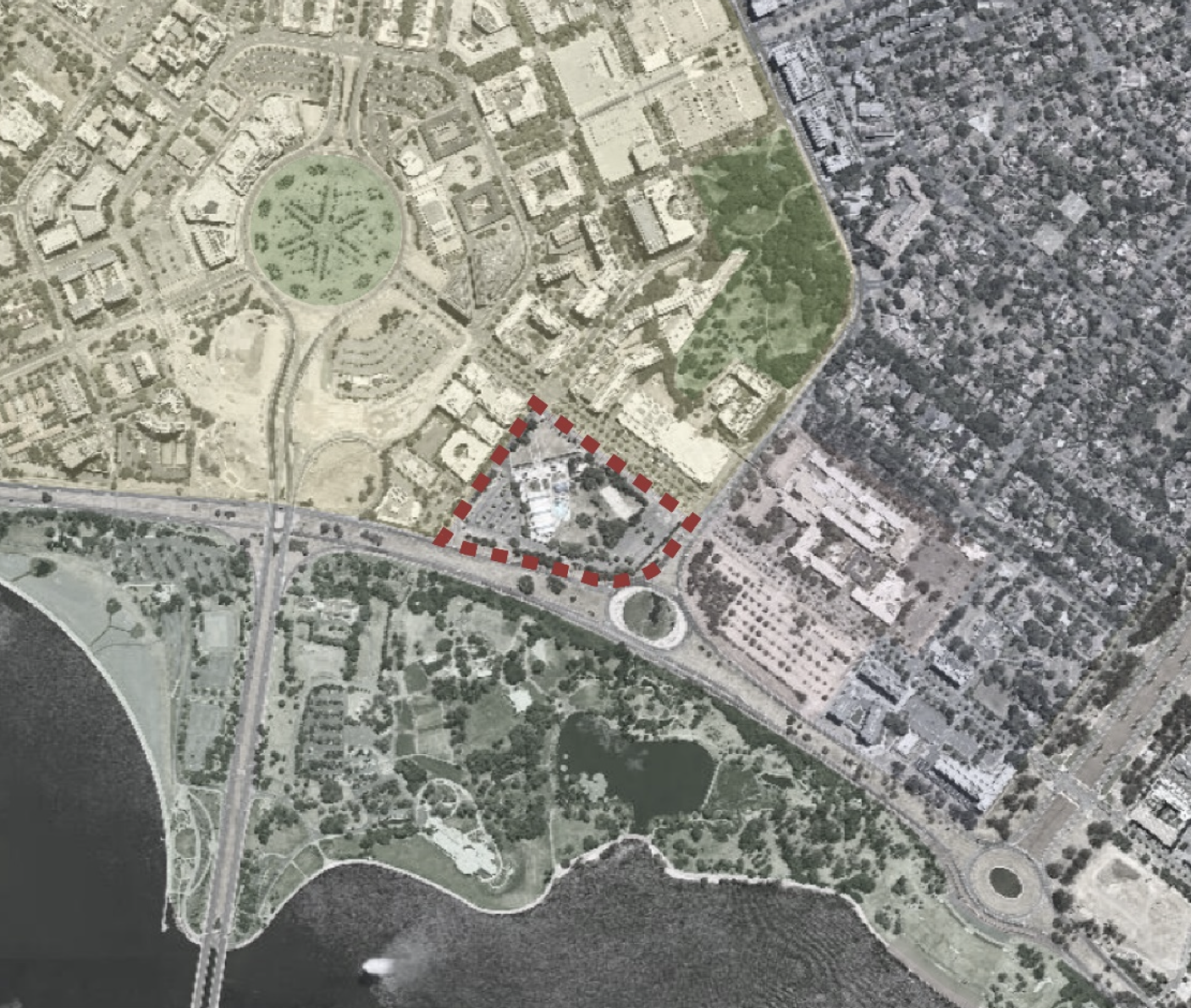
Beyond the Traditional Stadium: Strengthening the Relationship Between the Stadium and the City
This research challenges the conventional view of stadia as single-purpose spaces, exploring how hybrid stadium adaptations can foster a stronger connection with the city. By examining the potential for 24-hour functionality, this study aims to inform government and built environment professionals on designing multi-use stadiums that enhance Canberra’s urban landscape.
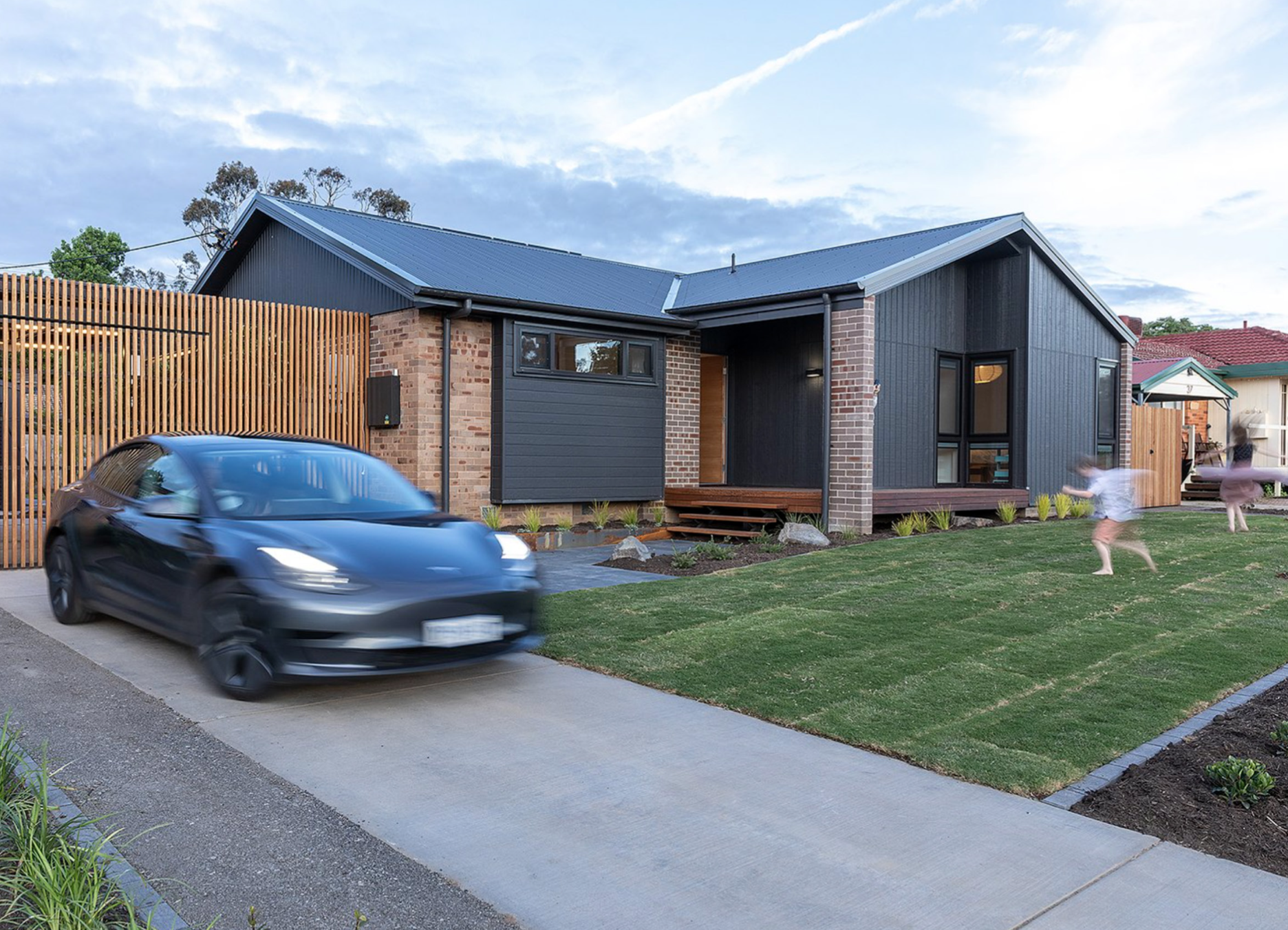
Retuning the Ex Govie: A guide to renovation and extension of the Canberra 400 series ex government houses
As the city evolves, so do its housing needs. While ex-govies played a vital role in housing and community development in the 1960s, they are increasingly becoming outdated. This research explores three major housing challenges facing Canberra today, along with three specific challenges unique to ex-govies.
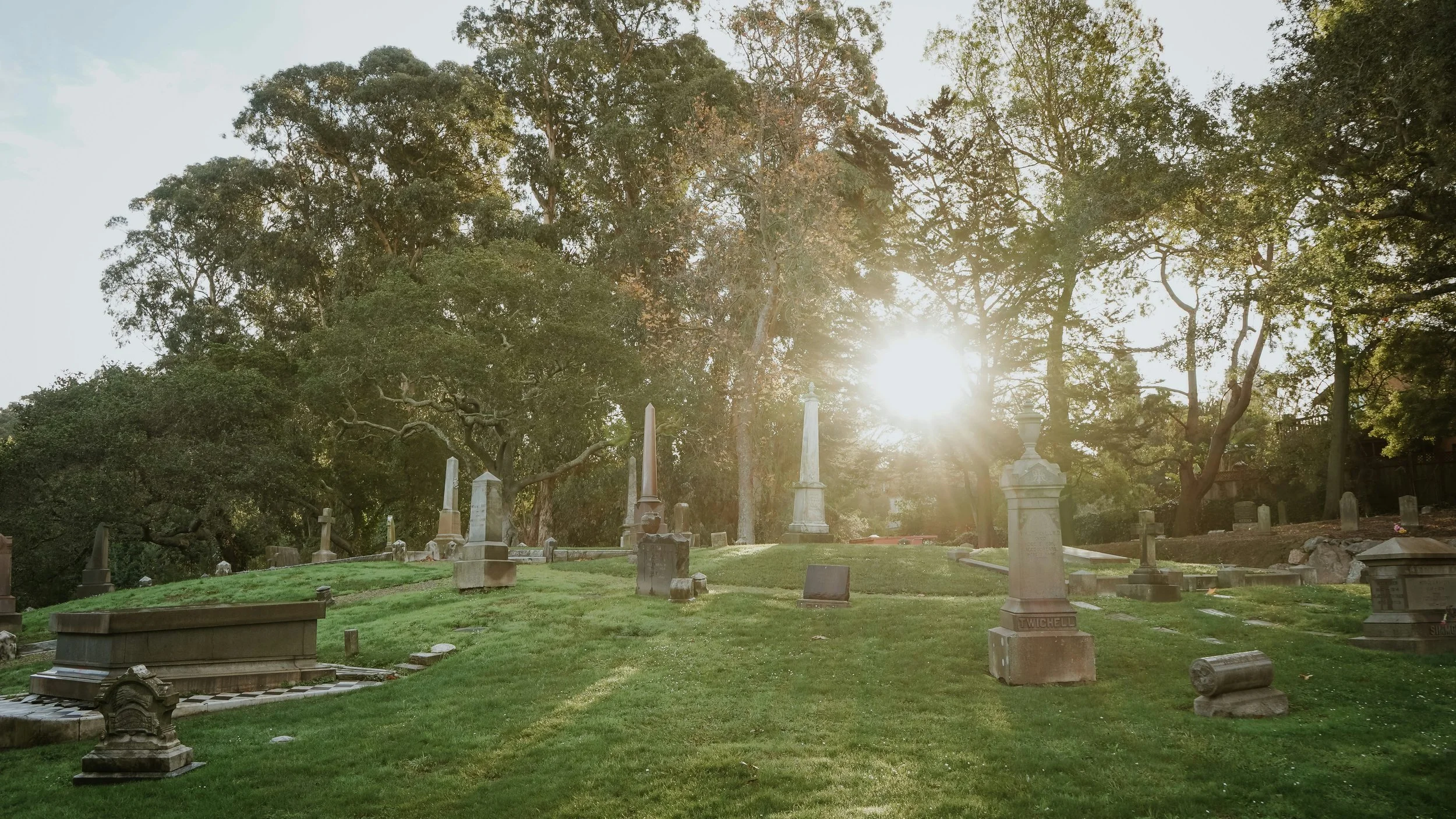
Interface: Cemetery and City
This paper looks at the contribution of cemeteries and death spaces to the city and the living and the future of our death planning in Canberra. To understand the contribution of cemeteries to the living, case studies of the size, location, and age of cemeteries in Canberra, Sydney, Edinburgh, Oslo, and Washington are mapped and compared.
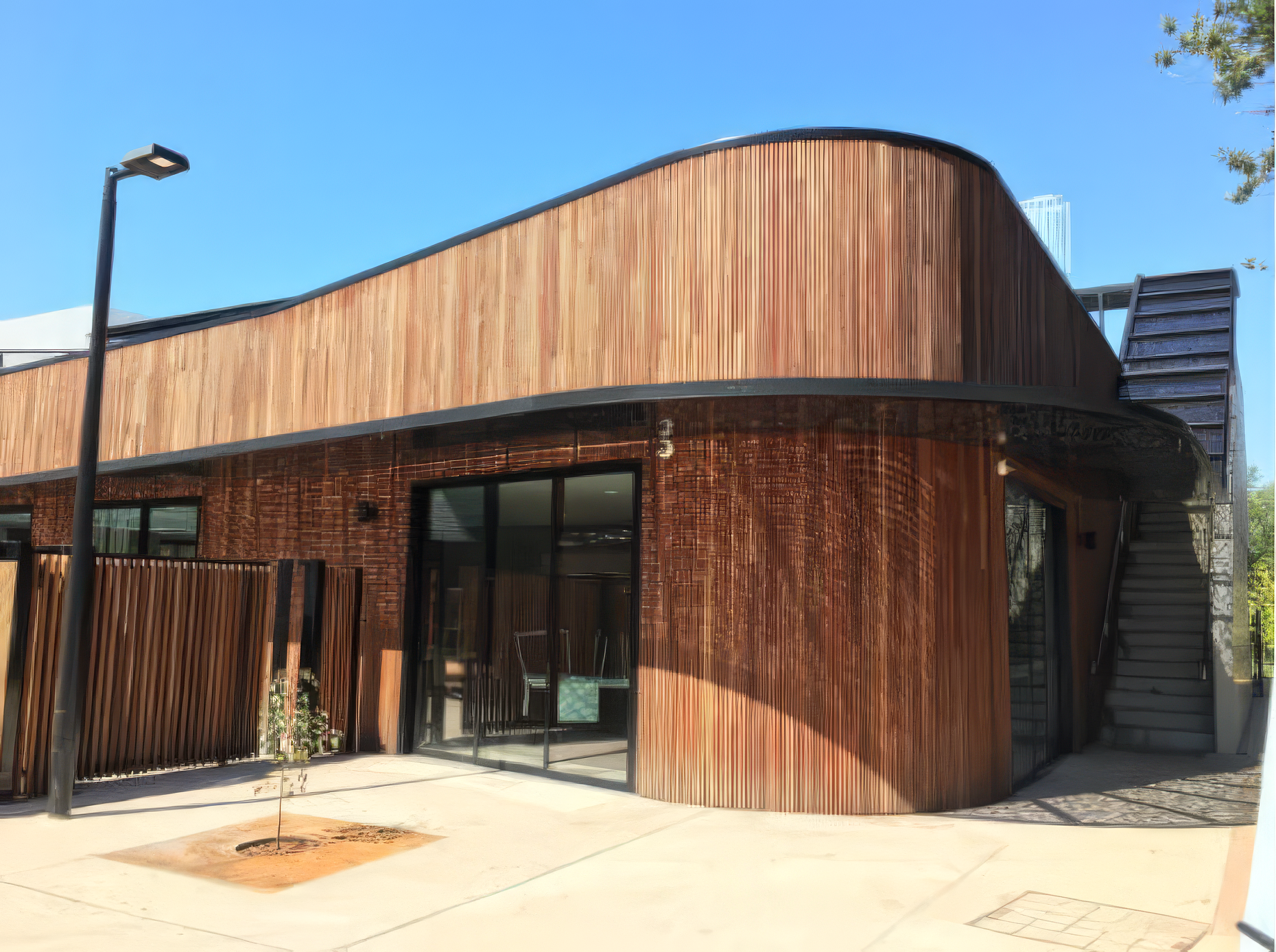
Built Forms on Ngunnawal Country: Investigation and Adaptation
Traditionally, throughout white Australian history, the built environment has been used as a tool for colonisation. From the first colonials on Australian soil to modern day Australia, the built environment has been expanding its territory, resulting in the continued displacement, and forced assimilation of First Nations people in Western cultures.
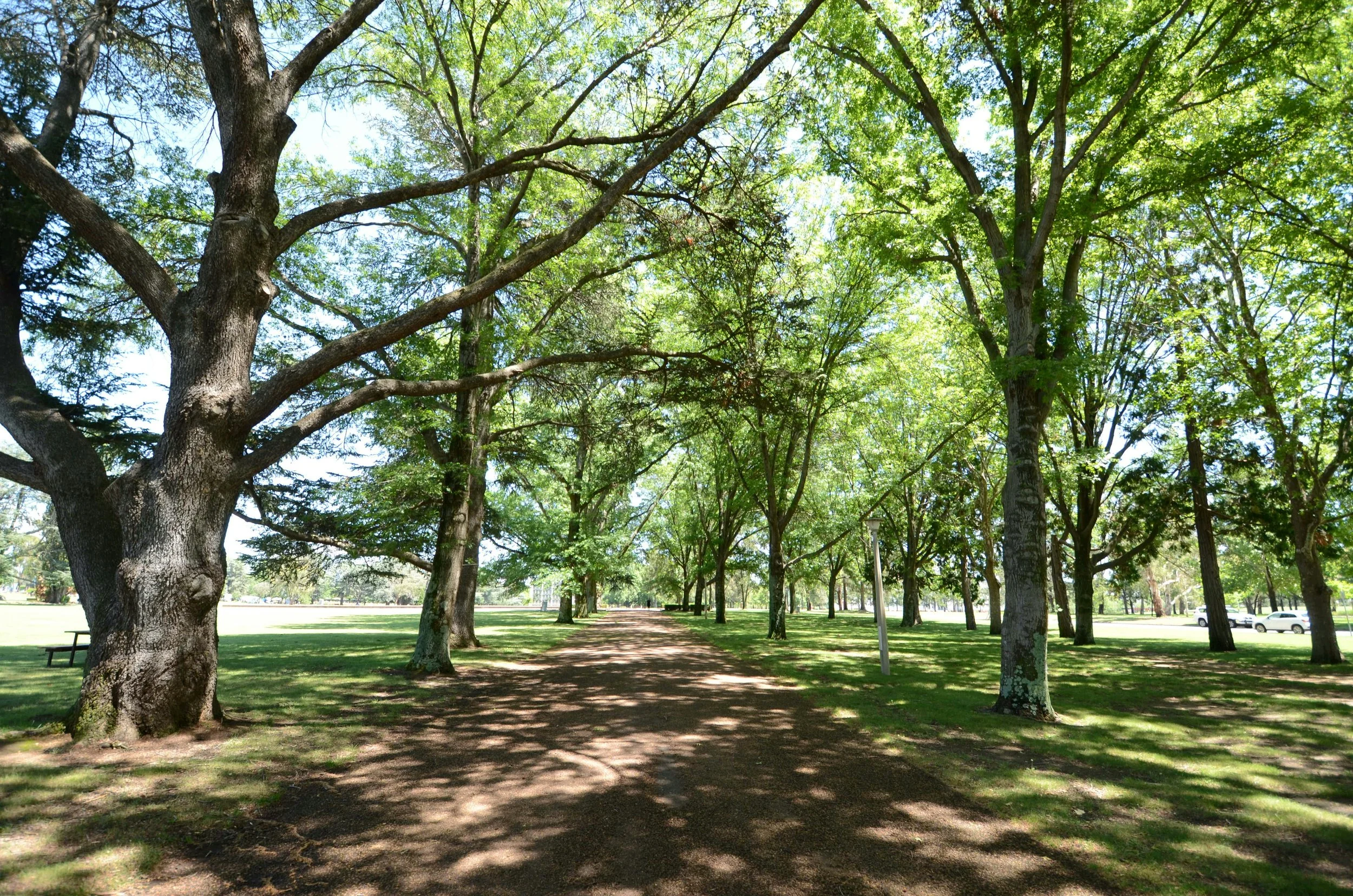
Suburban Heat: An Examination of the Urban Heat Island Effect in Canberra, through an In-Depth Analysis of the Suburb of Wright and a Review of ACT Government Policy
In recent policy documents, the ACT government has identified increasing canopy cover as their primary response to the urban heat island effect. This research sought to understand how attainable the identified 30% canopy cover target was, particularly in Canberra’s newer existing suburbs, which have some of the lowest levels of canopy cover in the city.
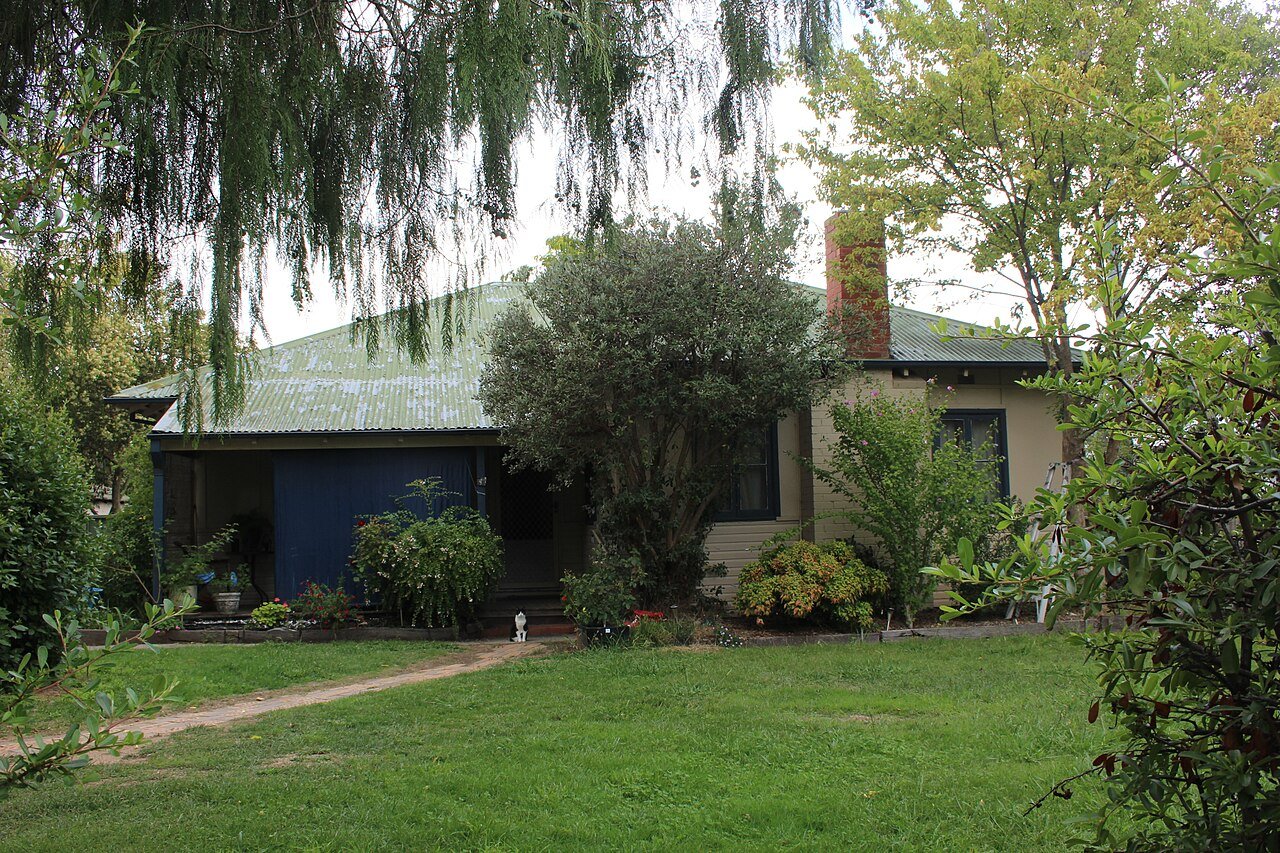
The Future of the Canberra Suburb: An Exploration of Canberra’s Inner Suburbia and the Possibilities for its Densification
This research investigates the Tocumwal Housing sites of O’Connor, Canberra, to explore the possibilities for accommodating Canberra’s growing population within its existing inner suburbs in a manner that retains their unique character underlying principles.
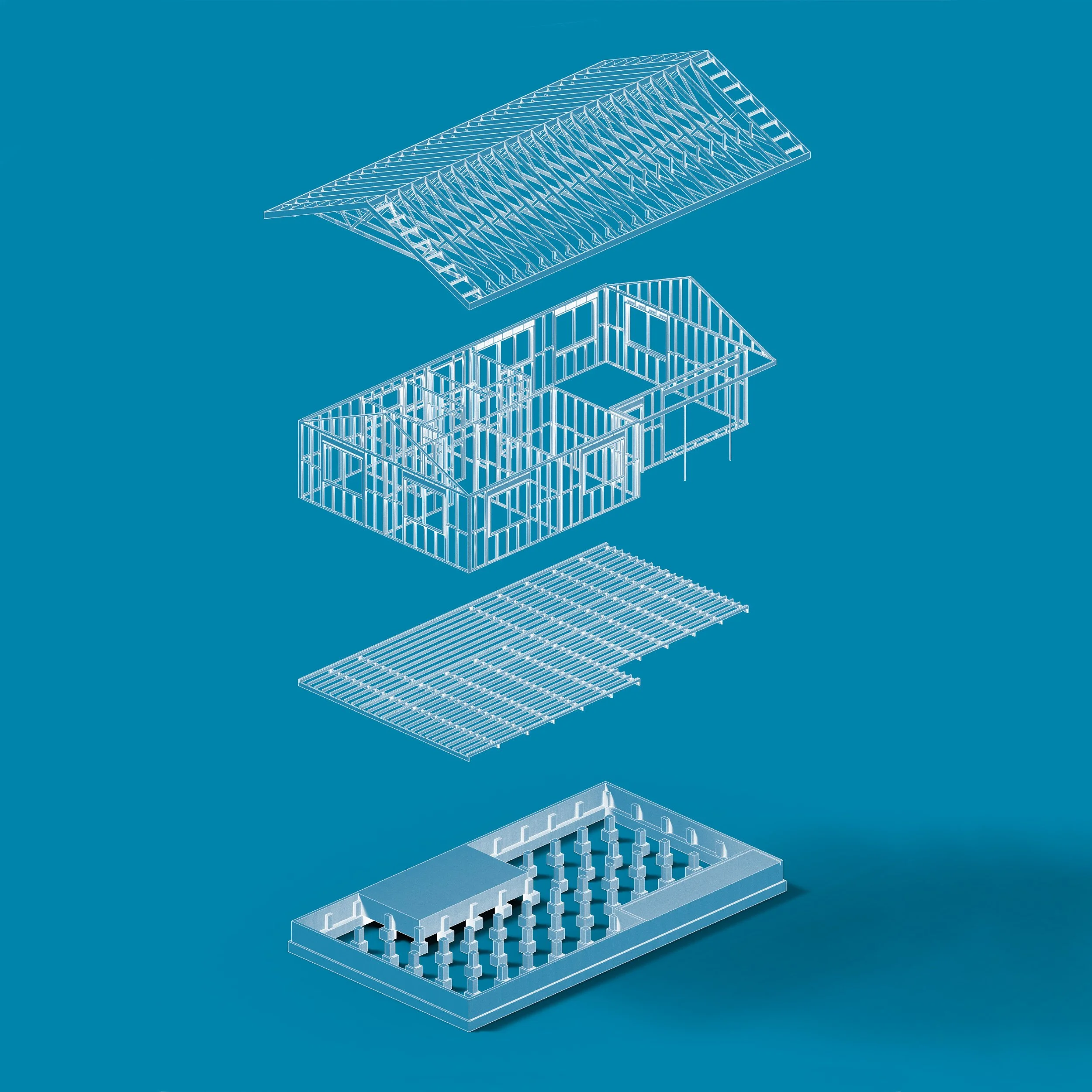
Another Canberra House: Assessing the Historical Environmental Impact and Future Performance Possibilities of Existing Housing Stock Via Retrofit
This study identifies and environmentally profiles performance-based retrofit options for a typical Canberra ‘ex-Govie’ house against the criteria of energy efficiency, embodied energy and cost.
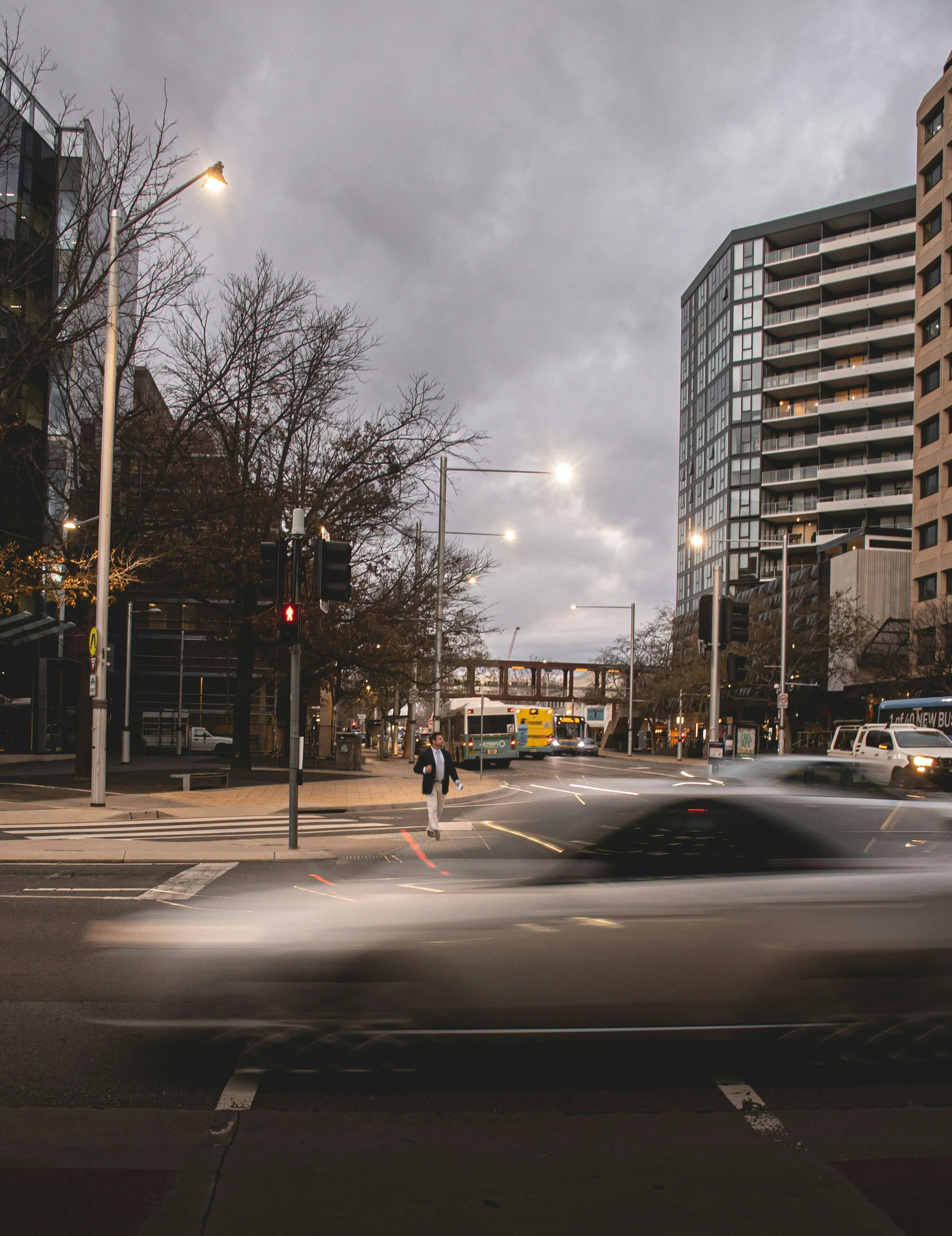
Canberra’s Urban Soundscape
This research looks at the engagement of the urban soundscape to be a visualisation tool to further understand the characteristics of the noise experience.