
Swayn Open Research
The Alastair Swayn Foundation is committed to information sharing and transparency of the research it funds. We believe that research supported by the Foundation should be made discoverable and readily accessible online. The Swayn Open Research repository provides a place for researchers to promptly have their findings published on an open access basis, to benefit the architecture and design community.
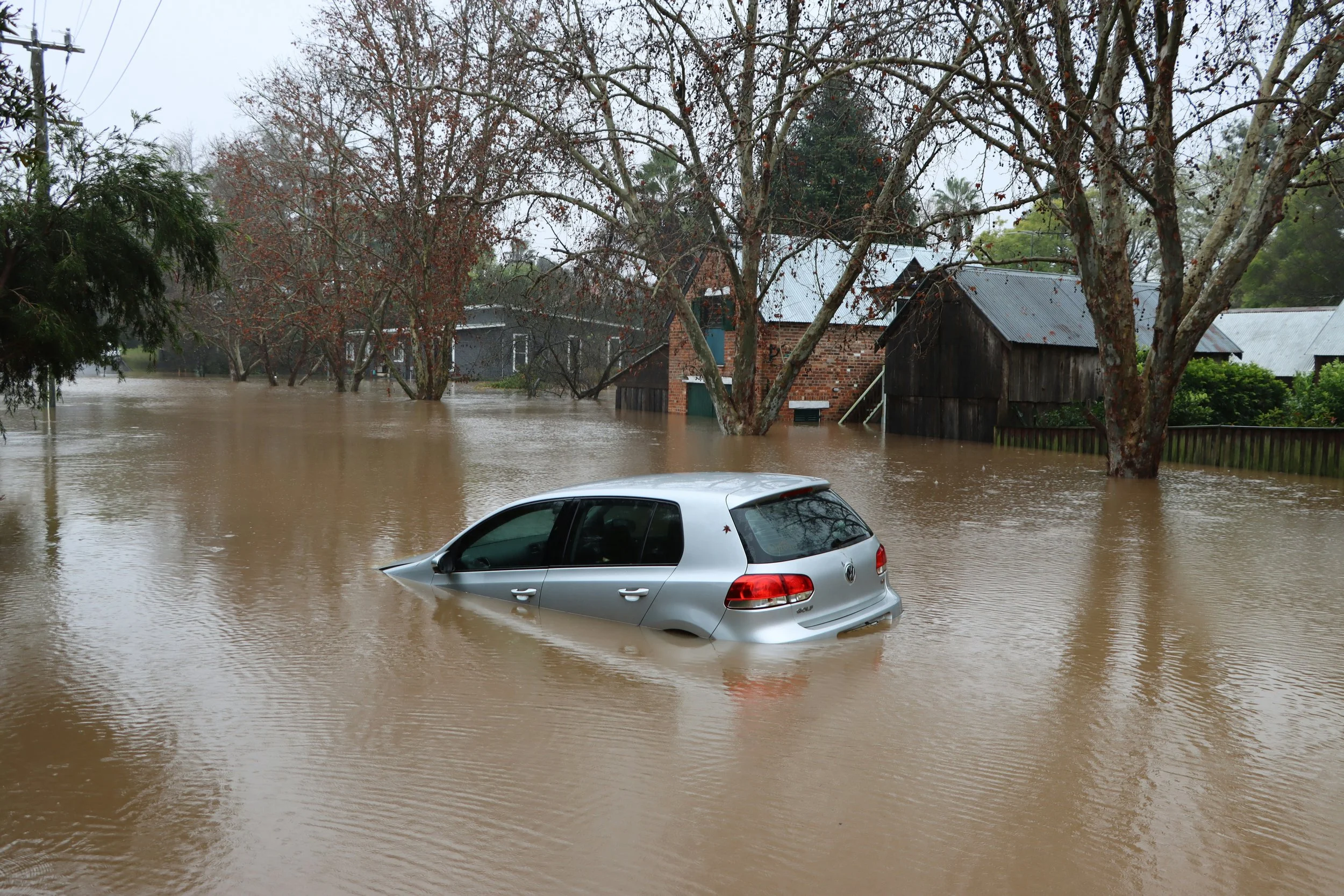
ADAPT: Rebuilding place and agency after climate disaster
Climate disasters are no longer rare or unexpected. Yet the way we respond to them seems to remain reactive, fragmented, and overly focused on the immediate. In the face of this, architects have the ability to play a critical role in recovery; acting as strategic thinkers, facilitators, and advocates who can help communities navigate uncertainty.
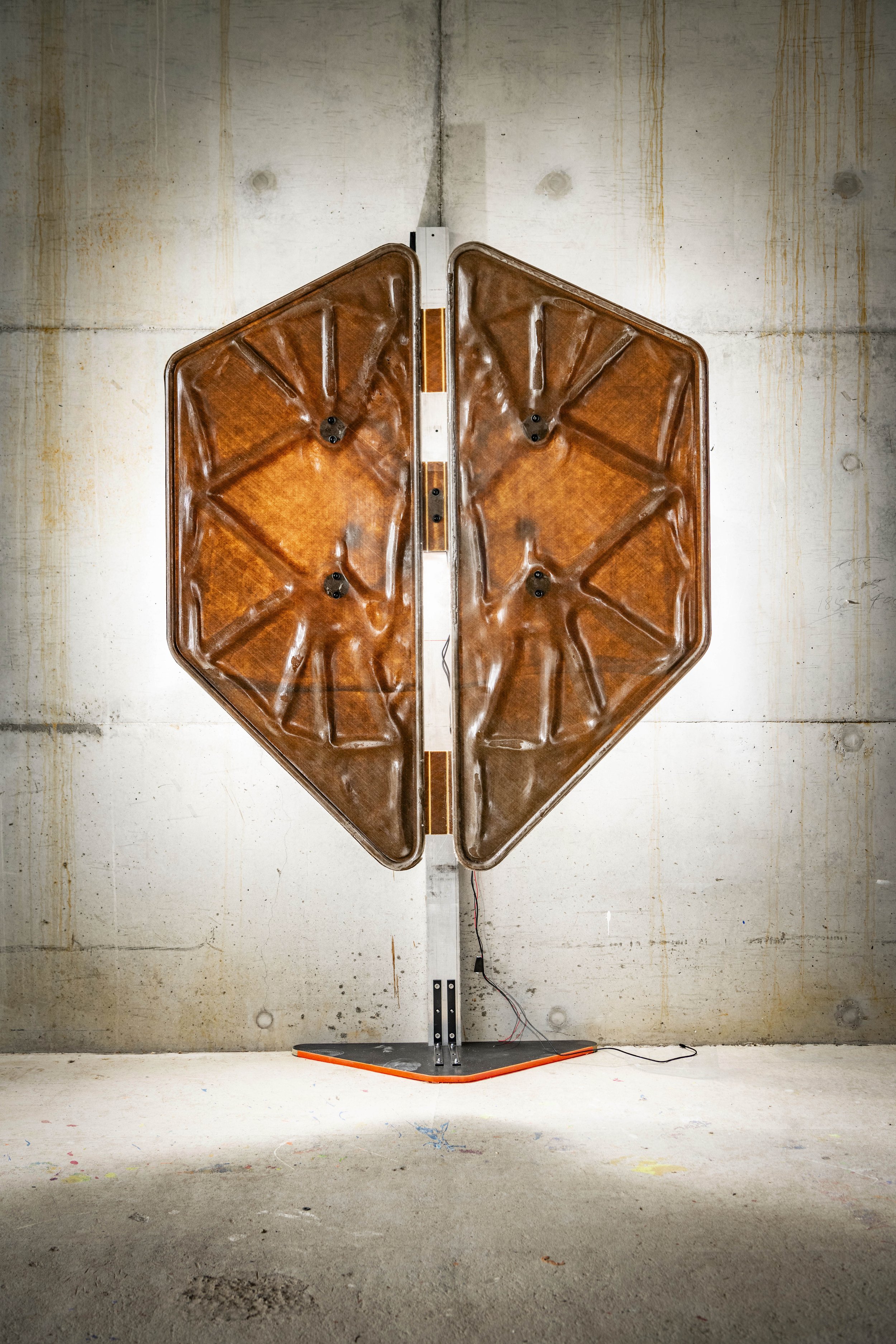
Second Skin (aka. FlaxWing): Exploring bioclimatic wrapping for climate-resilient housing in Australia
Second Skin (aka. FlaxWing) is a research project that focuses on the possibilities of a more climate responsive architectural approach. Via concepts of adaptation, we consider the social and technical reuse of existing building stock; the transformation of prevailing construction practices via the uptake of bio-based and low-carbon building materials; and the very adaptation of buildings themselves in response to environmental and occupant influences enacted via cyber-physical systems.
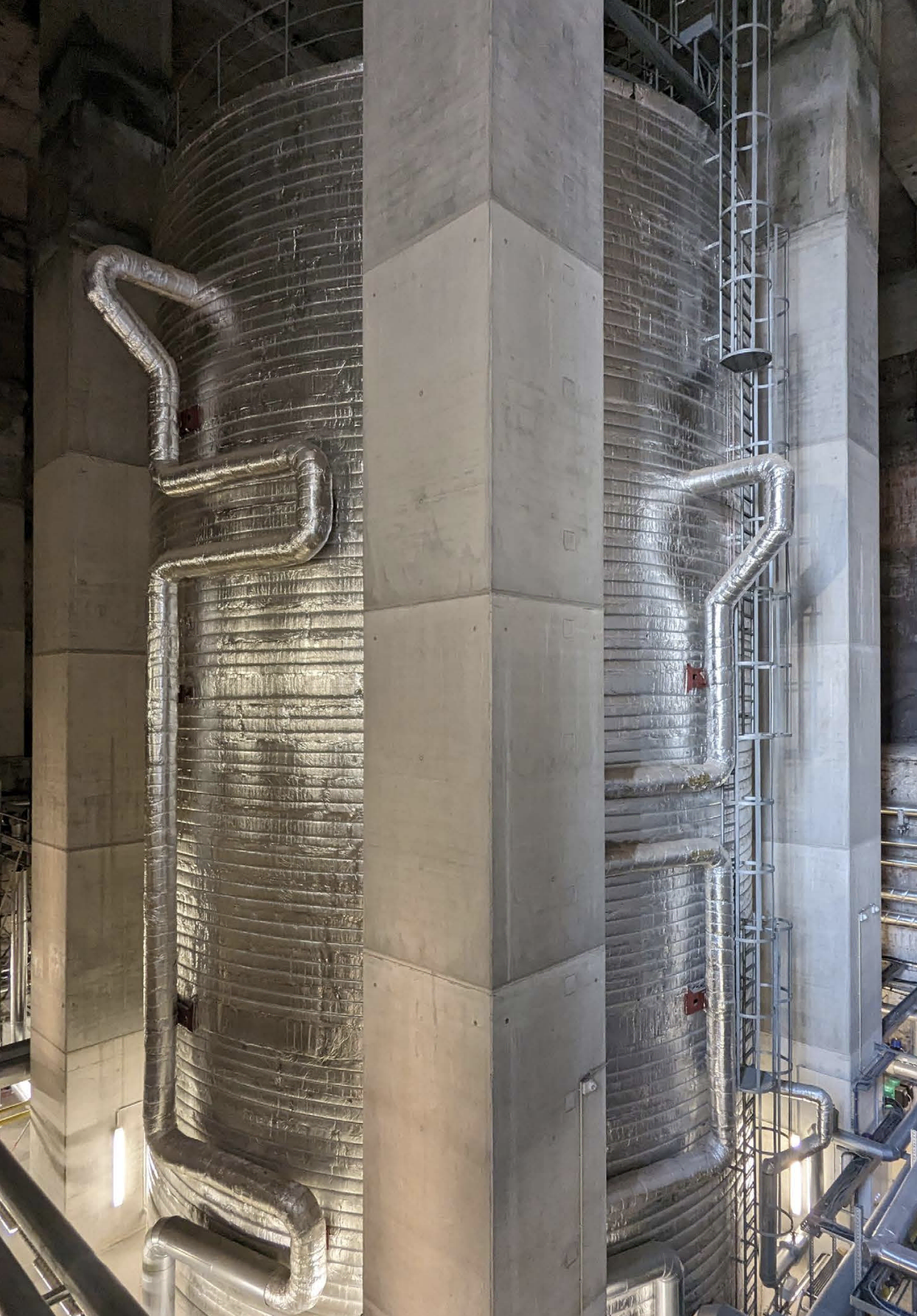
Notes from a finite world: A study of post-carbon paradigms for architecture
This report surveys exemplar projects and practices – divided into three categories, Energy, Waste, and Materials – from across Northern Europe (in member-countries of the European Union) where decarbonisation initiatives are being funded and implemented at different scales and time-frames to that of Australia.
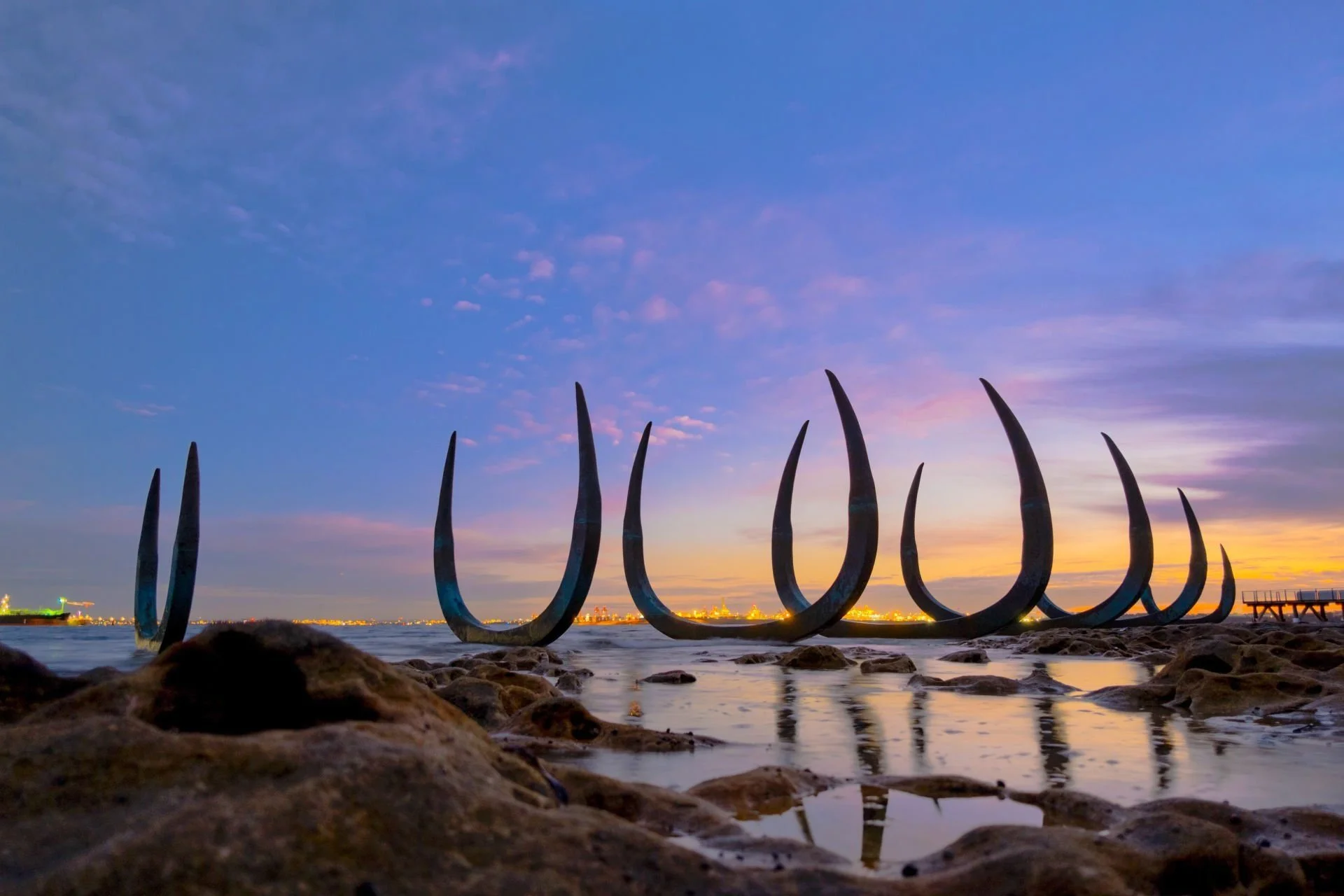
Beyond Heritage: First Nations’ involvement in climate mitigation and design
Beyond Heritage is an emergent research project and online resource celebrating, recognising and supporting the development of Australian First Nations design, as frontline responses to the climate and biodiversity emergency.
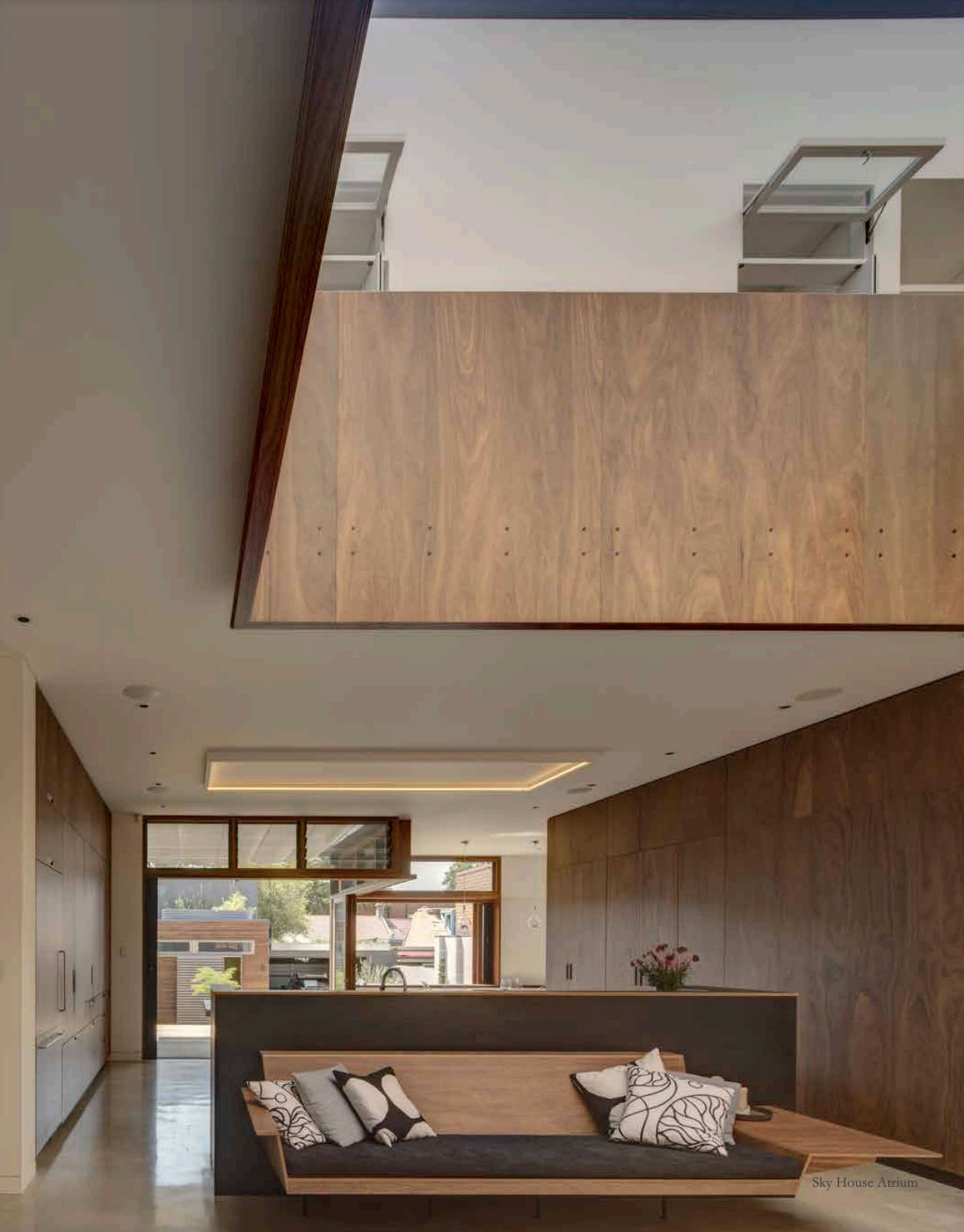
Design for Climate | Design for Change: Addressing key challenges facing the built environment
This guide, produced by Marra + Yeh Architects provides strategies for mitigation and adaption, acknowledging climate change as re-shaping the natural built environments. Including precedents that investigate methodologies to mitigate climate without energy-intensive technologies, providing historical context and wisdom for contemporary applications.
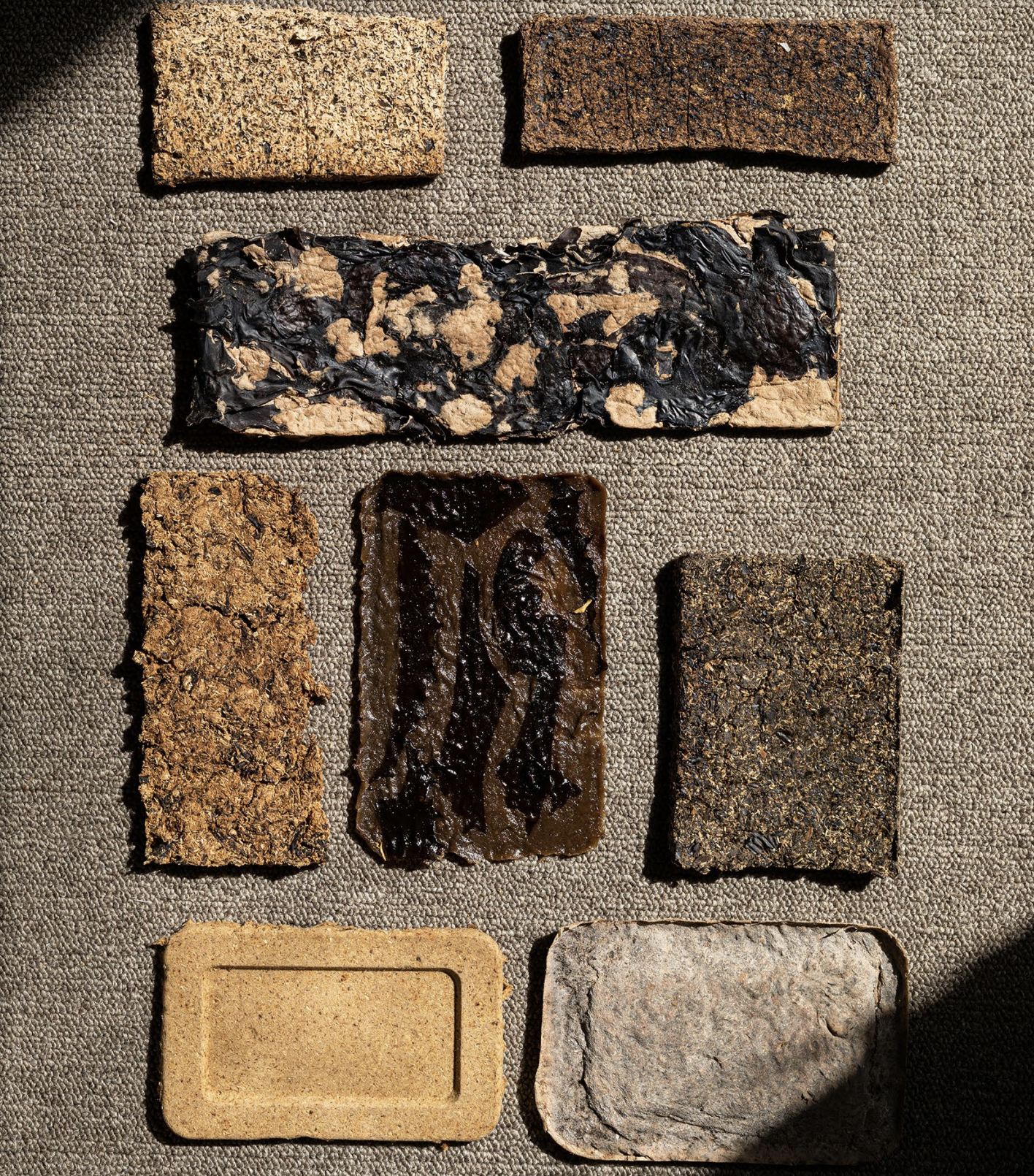
Phycoforms: Building the Future with Seaweed
Phycoforms was created to explore the potential of utilizing biofouled content from the seaweed farming process to create rigid compressible seaweed biocomposites for the building industry. This material system exploration looks into the unique properties of alginate present in brown seaweed and how this can be utilized to make more resilient and fire-retardant building materials.
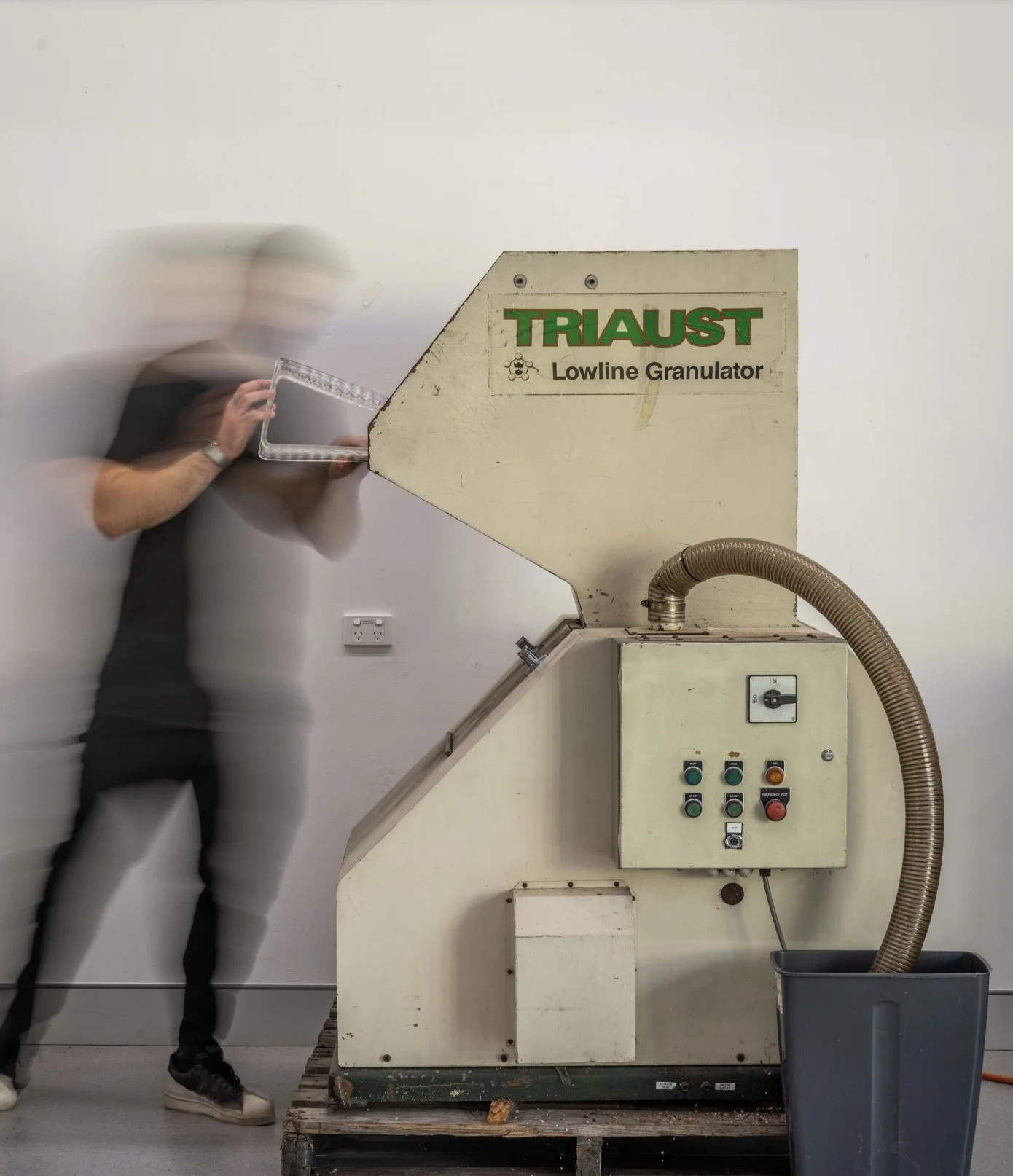
Workplace Plasticity: Furnishing the Net-Zero Office through Robotic Fabrication
The high turnover of Australia’s commercial office space represents an often overlooked component of the built environment’s ecological footprint. Drawing upon circular-design strategies, Workplace Plasticity offers an approach to the design and fabrication of common workplace elements using recyclable Polyethylene Terephthalate Glycol (PETG) plastic.
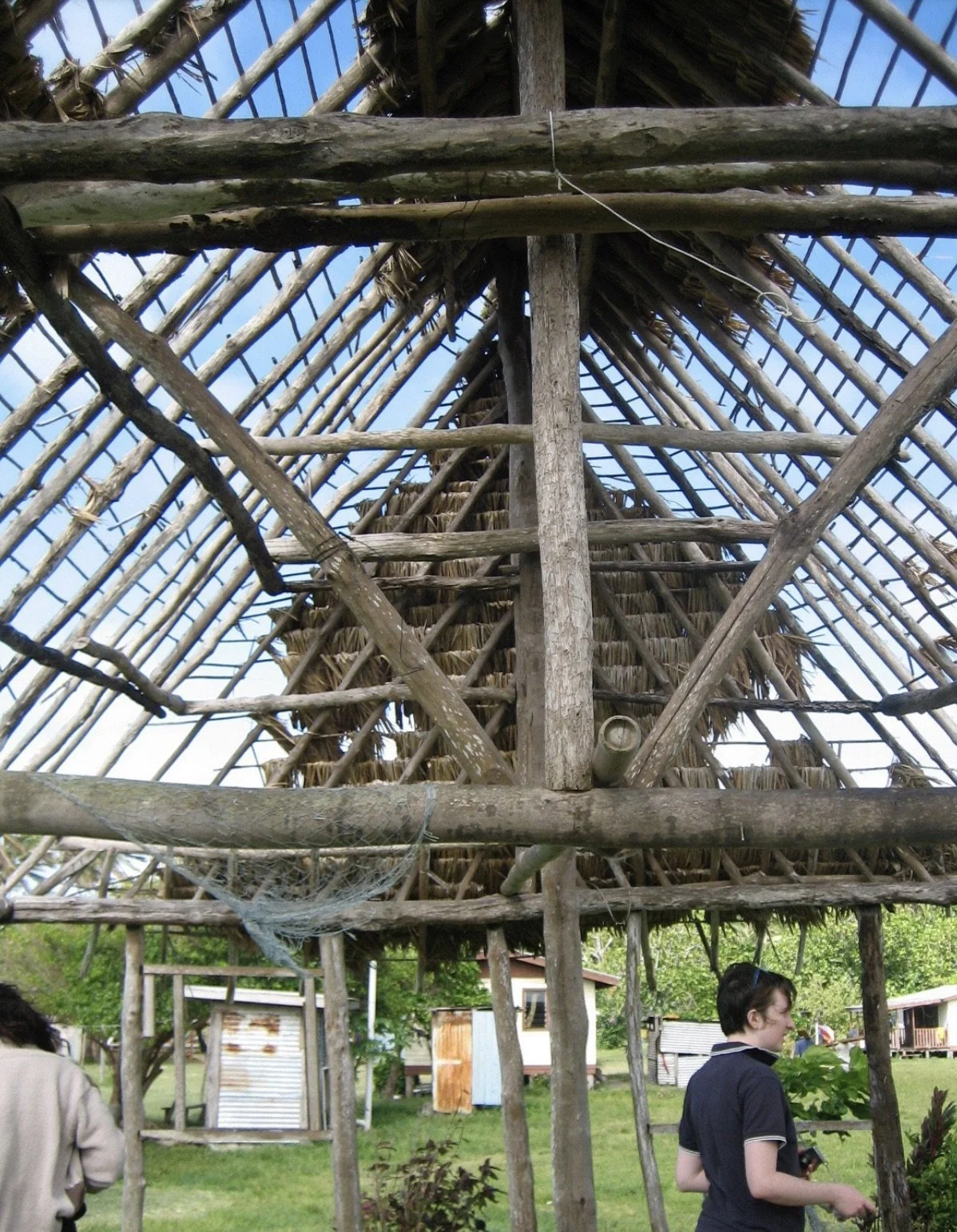
Vanua Solesolevaki: Nurturing Communities through Revitalisation of Collective Building Culture
This project investigates how Indigenous Fijian (iTaukei) building customs, knowledge and resources may be utilised to alleviate reliance on external aid post disaster.
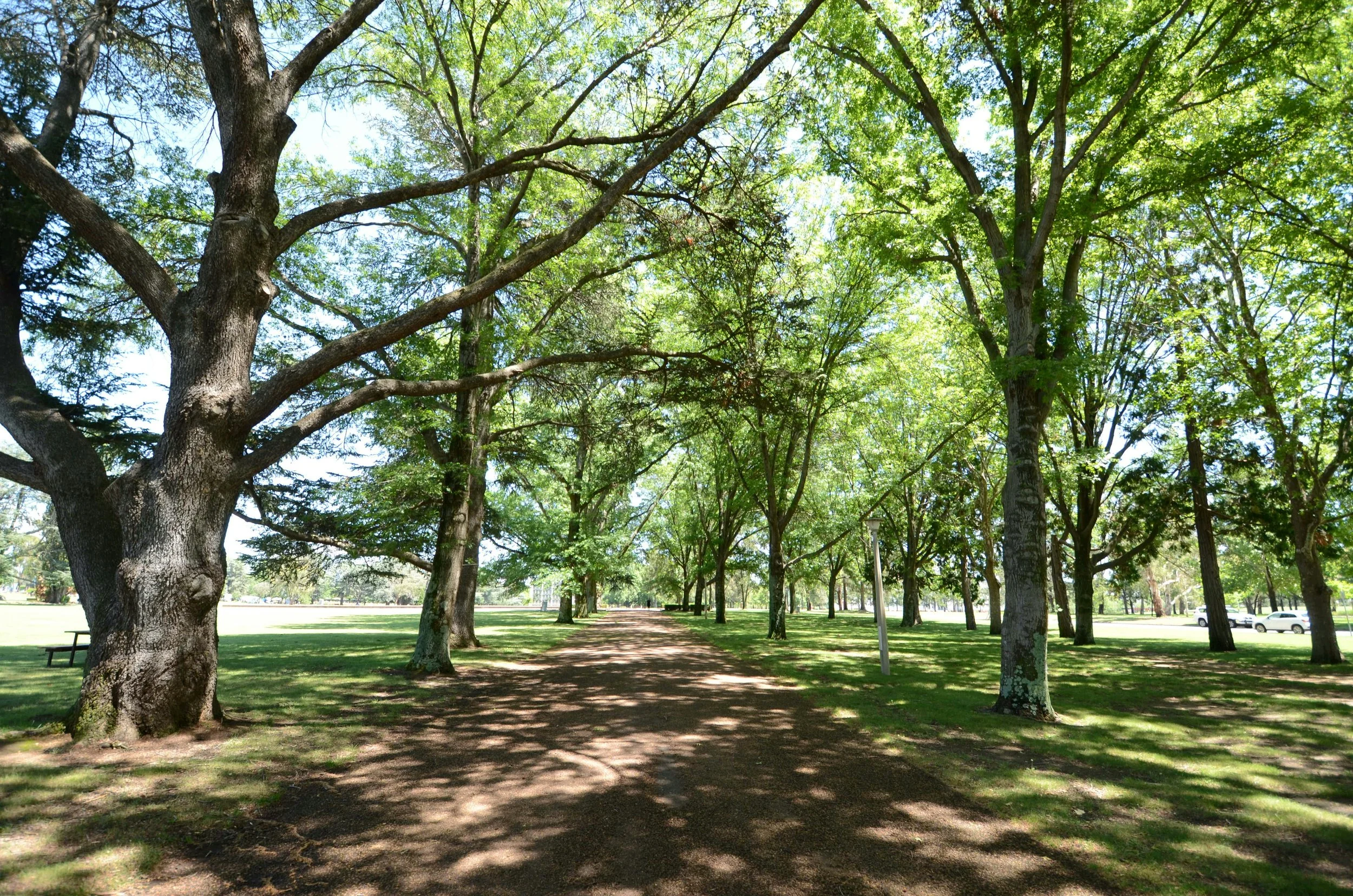
Suburban Heat: An Examination of the Urban Heat Island Effect in Canberra, through an In-Depth Analysis of the Suburb of Wright and a Review of ACT Government Policy
In recent policy documents, the ACT government has identified increasing canopy cover as their primary response to the urban heat island effect. This research sought to understand how attainable the identified 30% canopy cover target was, particularly in Canberra’s newer existing suburbs, which have some of the lowest levels of canopy cover in the city.
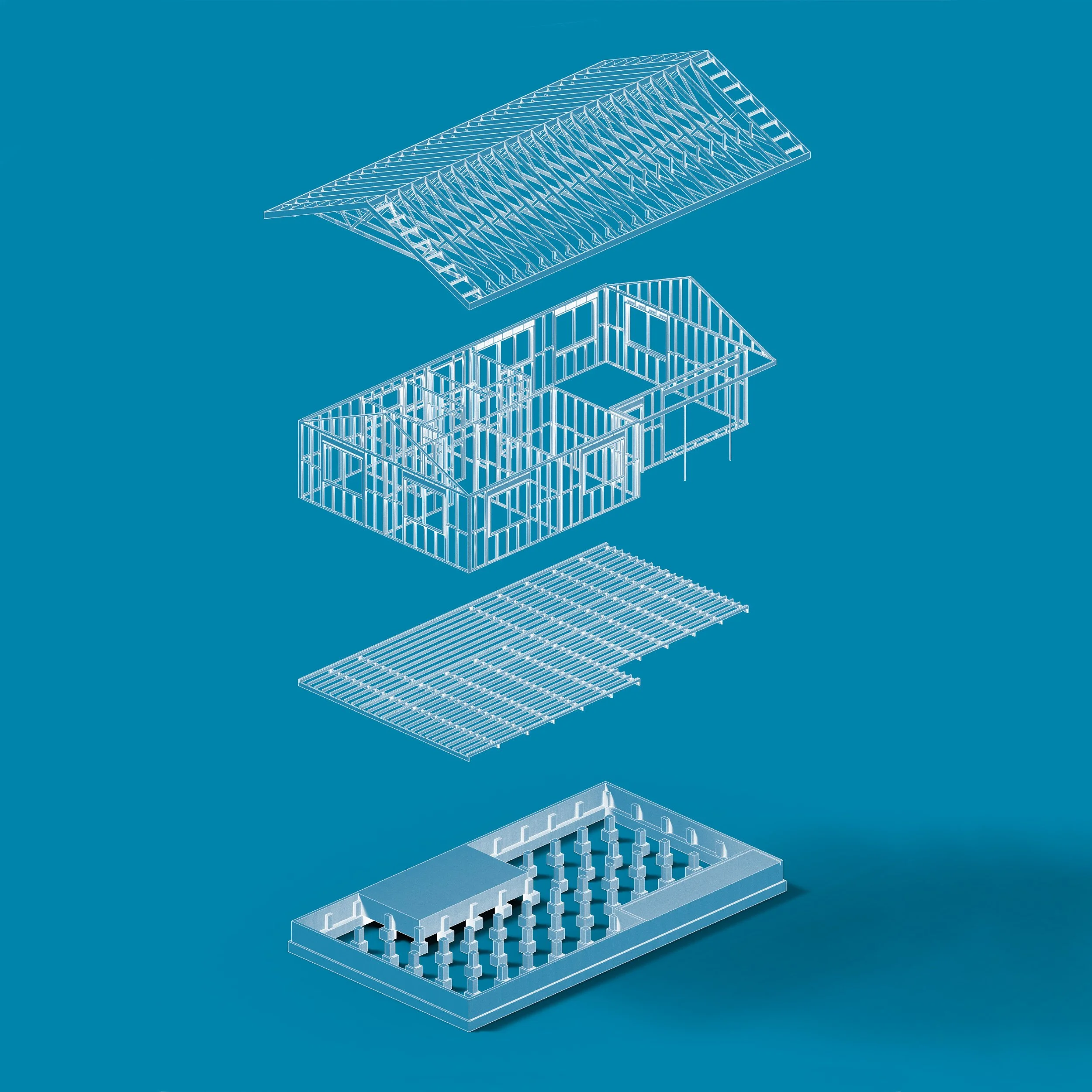
Another Canberra House: Assessing the Historical Environmental Impact and Future Performance Possibilities of Existing Housing Stock Via Retrofit
This study identifies and environmentally profiles performance-based retrofit options for a typical Canberra ‘ex-Govie’ house against the criteria of energy efficiency, embodied energy and cost.