
Swayn Open Research
The Alastair Swayn Foundation is committed to information sharing and transparency of the research it funds. We believe that research supported by the Foundation should be made discoverable and readily accessible online. The Swayn Open Research repository provides a place for researchers to promptly have their findings published on an open access basis, to benefit the architecture and design community.
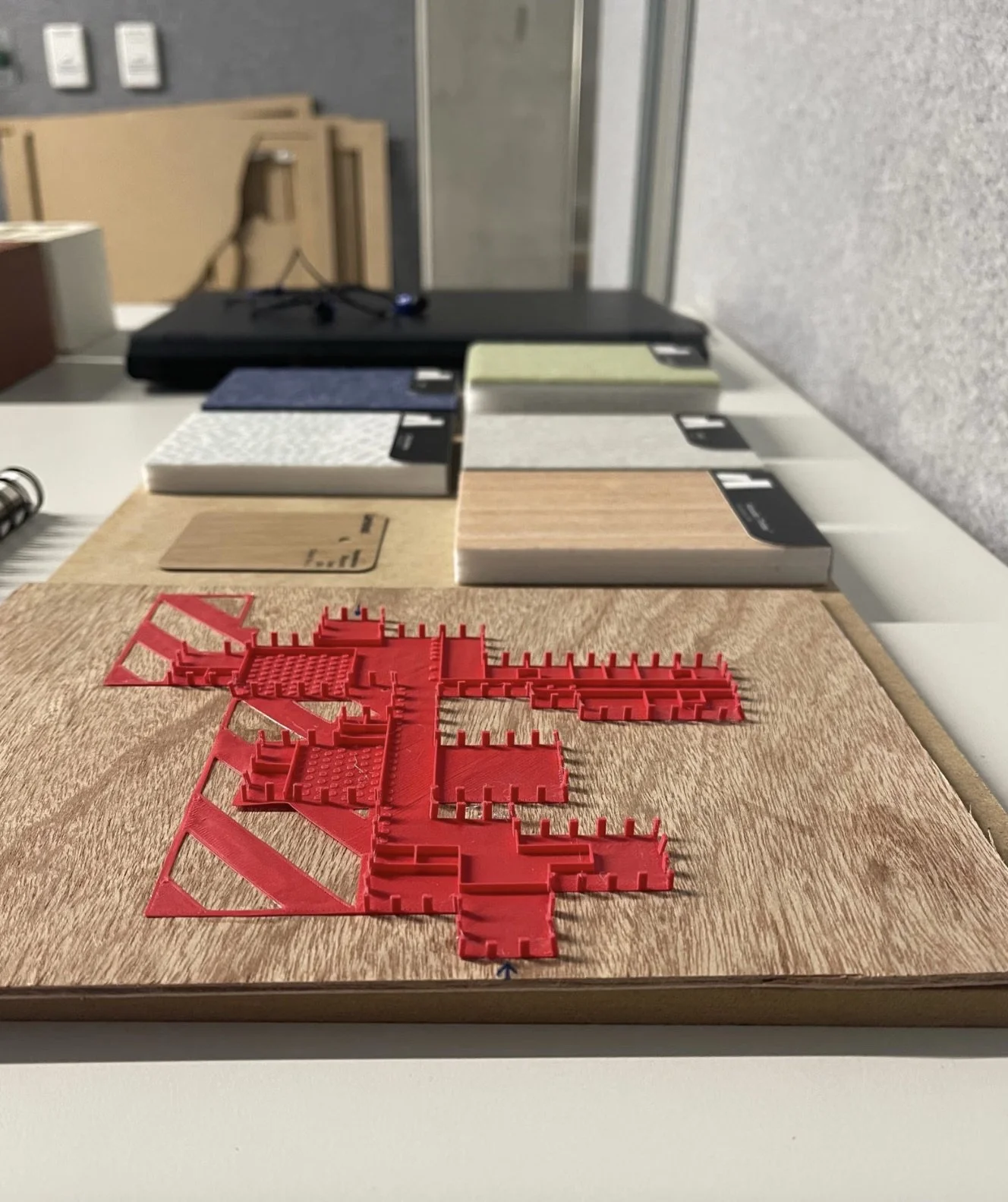
Empower by Design: Enabling Innovative Inclusion of Disabled People in Design
This report documents a novel and innovative design studio initiative at the Melbourne School of Design at the University of Melbourne that brought together architecture students and Intellectually Disabled people in a co-design process to challenge the exclusionary norms of built environment education and practice.
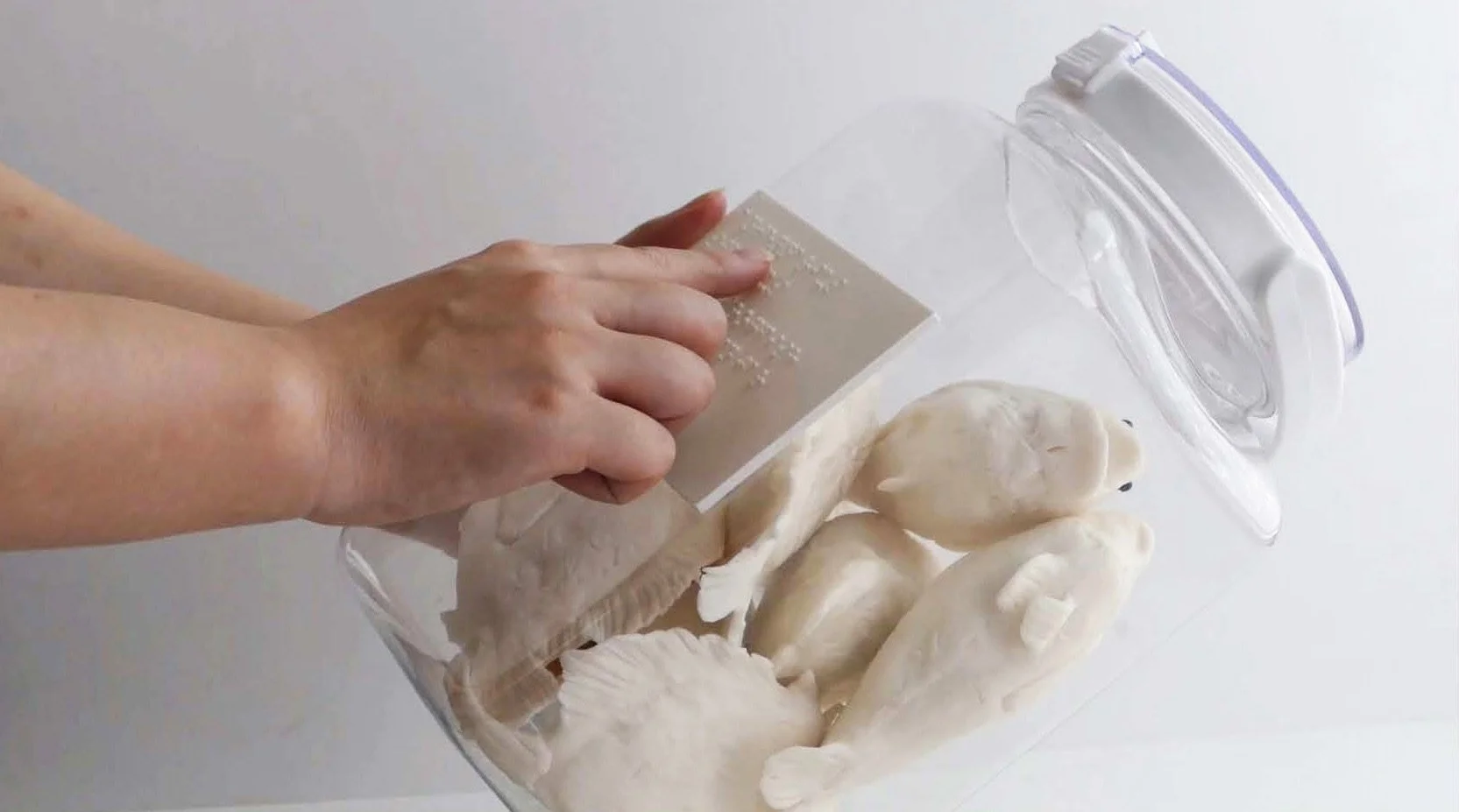
Museum for Touch: Towards Object Based Learning and Accessible Museums for Blind and Low Vision Children and Adults
Museums protect artworks and artifacts behind glass, making them inaccessible to blind and low-vision visitors. This research proposes designing touch models to make cultural narratives and knowledge accessible to all.

Pathways Towards Inclusion: First Nations’ Principles (Sharing, Making and Kinship in Australian Workplace)
This research investigates Indigenous approaches to working; collaboration in working environments, and the structure of working organisations in themselves to define a set of preliminary principles to encourage the next evolution of Australian workplace design and practice.
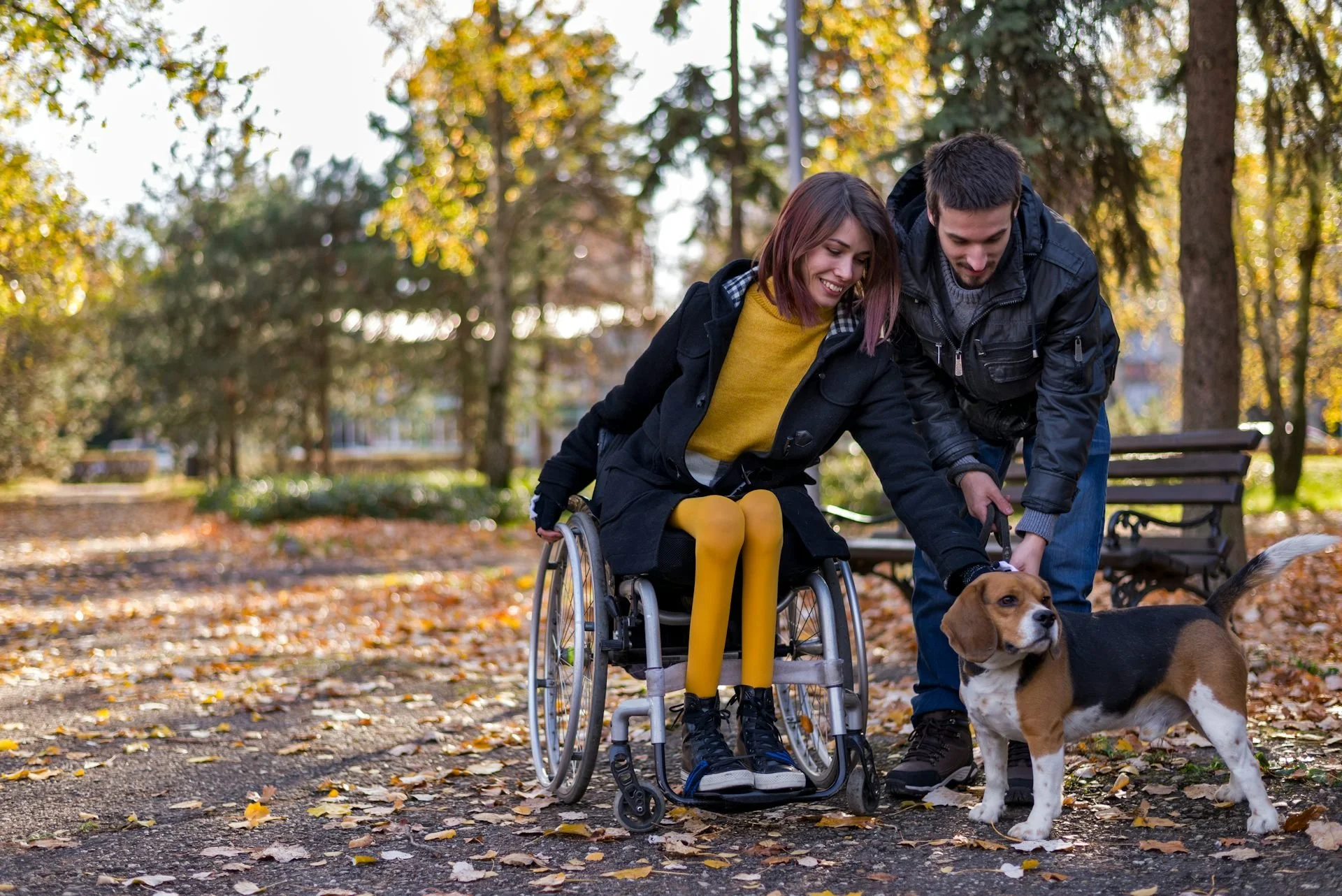
Not Just Ramps and Doorways: Disability Housing is About Choosing Where, How and Who You Live With
Home ownership among young people is falling sharply, while renters face worrying insecurity. Nowhere is this more pronounced than for the 4.4 million Australians living with a disability and, in particular, the 660,000 plus Australians with an intellectual disability.

Design Considerations for Residents with Impeded Cognitive Functioning: Conversations with People with Schizophrenia
The research has investigated the relationship between the built environment and people who have impediments to their cognitive functioning.