
Swayn Open Research
The Alastair Swayn Foundation is committed to information sharing and transparency of the research it funds. We believe that research supported by the Foundation should be made discoverable and readily accessible online. The Swayn Open Research repository provides a place for researchers to promptly have their findings published on an open access basis, to benefit the architecture and design community.
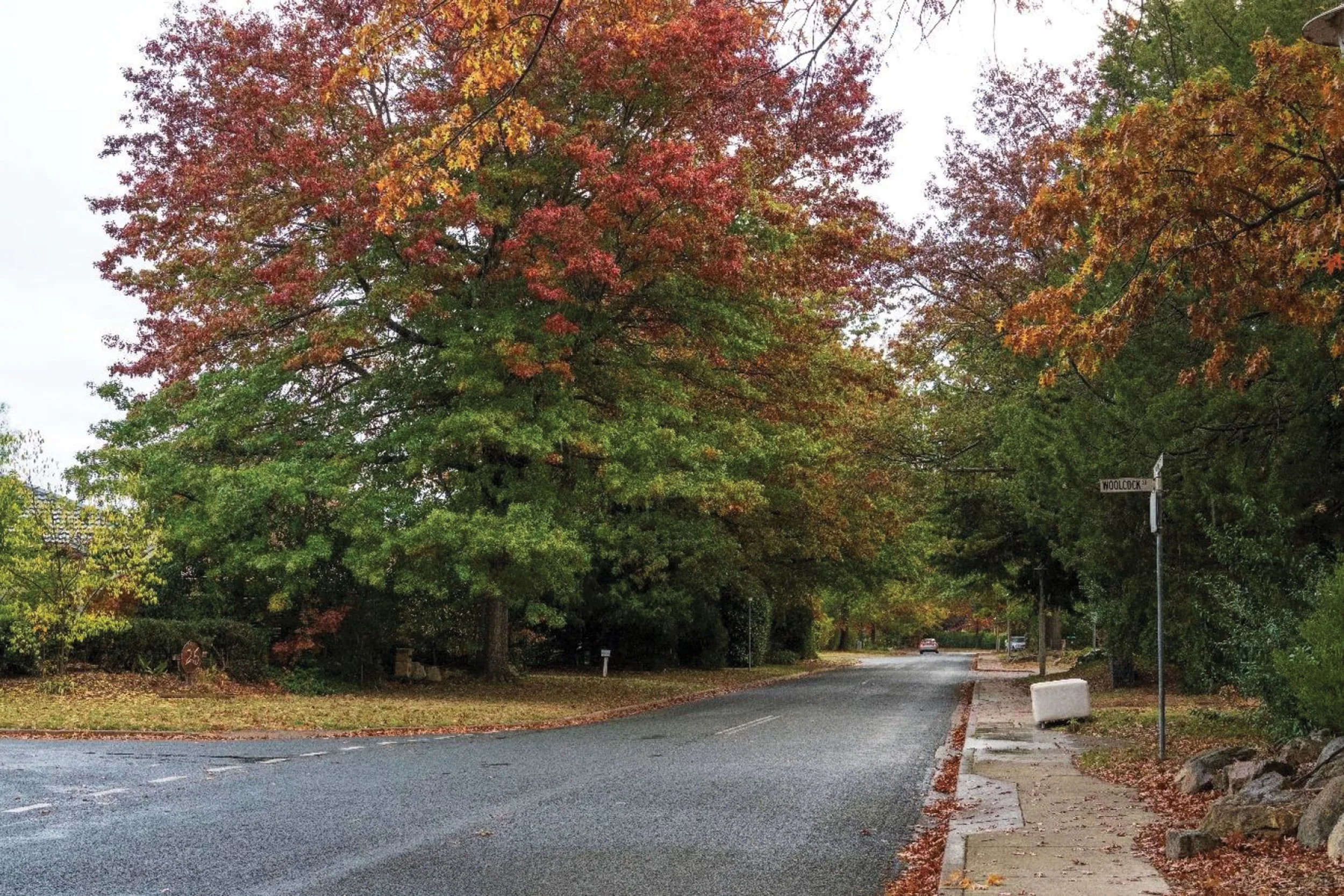
Colouring Canberra’s Suburbs Blue: exploring an alternative densification option for suburban infill
Using the post-war suburb of Watson as a case study, the research analyses the characteristics of Canberra’s “ex-govie” suburbs, where redevelopment pressures are intensifying. Four design scenarios were developed using a real urban section in Watson to test how Bluefield housing principles could be applied to Canberra’s context.
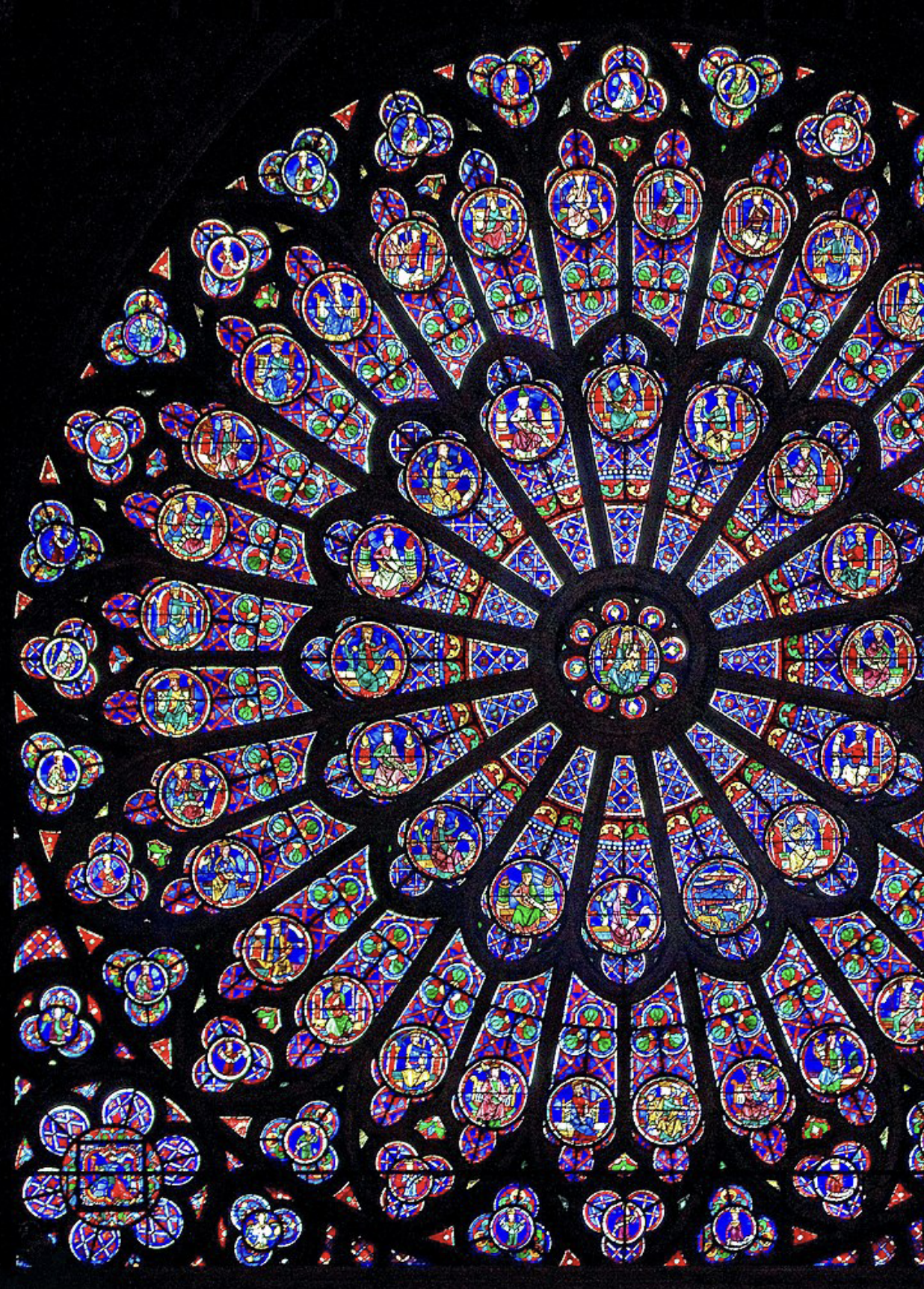
Glass in the Anthropocene: Explorations with a Magical Material
In the age of the Anthropocene, Heliotope seeks to explore the creative possibilities for glass gleaned from the circular economy.
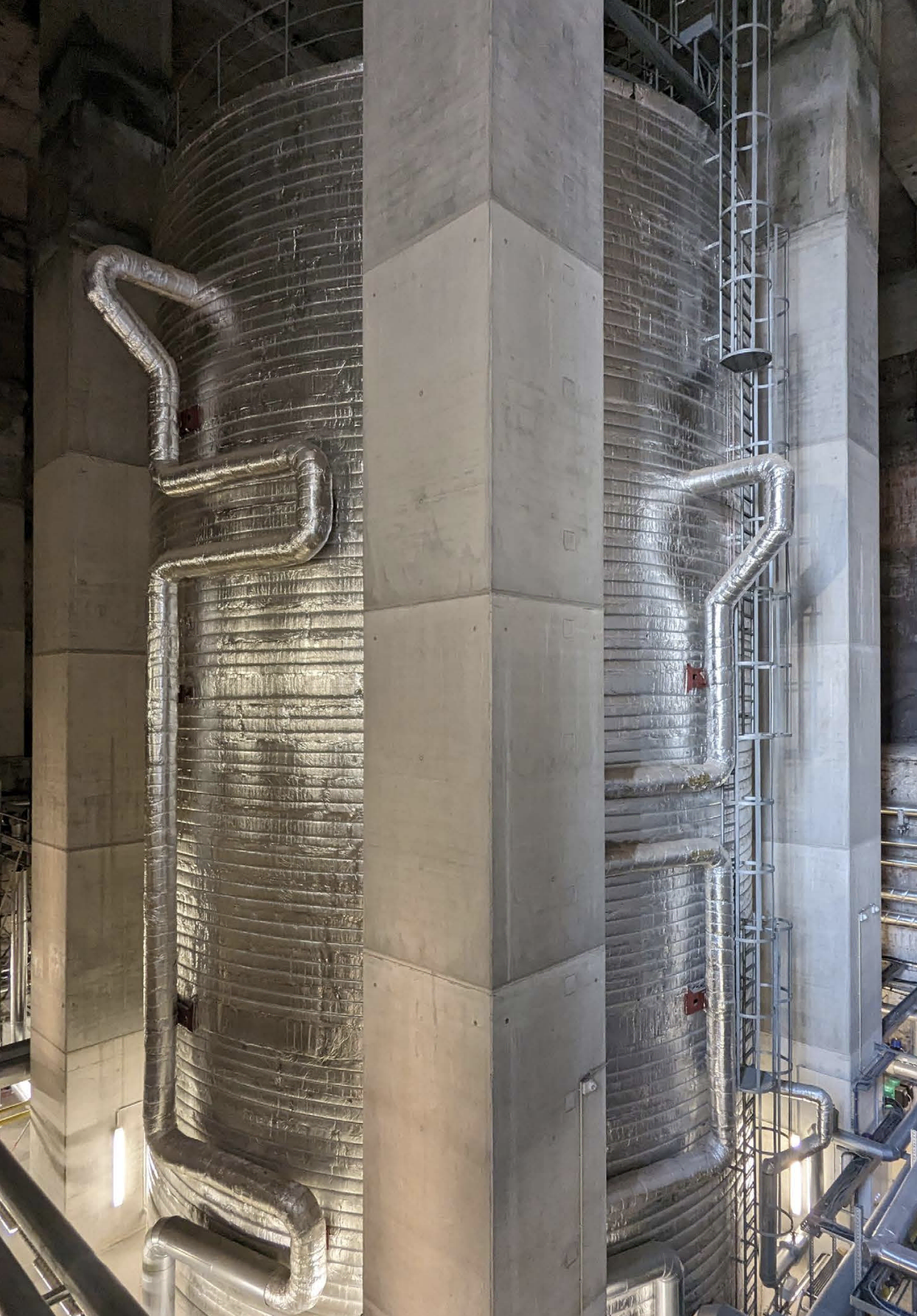
Notes from a finite world: A study of post-carbon paradigms for architecture
This report surveys exemplar projects and practices – divided into three categories, Energy, Waste, and Materials – from across Northern Europe (in member-countries of the European Union) where decarbonisation initiatives are being funded and implemented at different scales and time-frames to that of Australia.
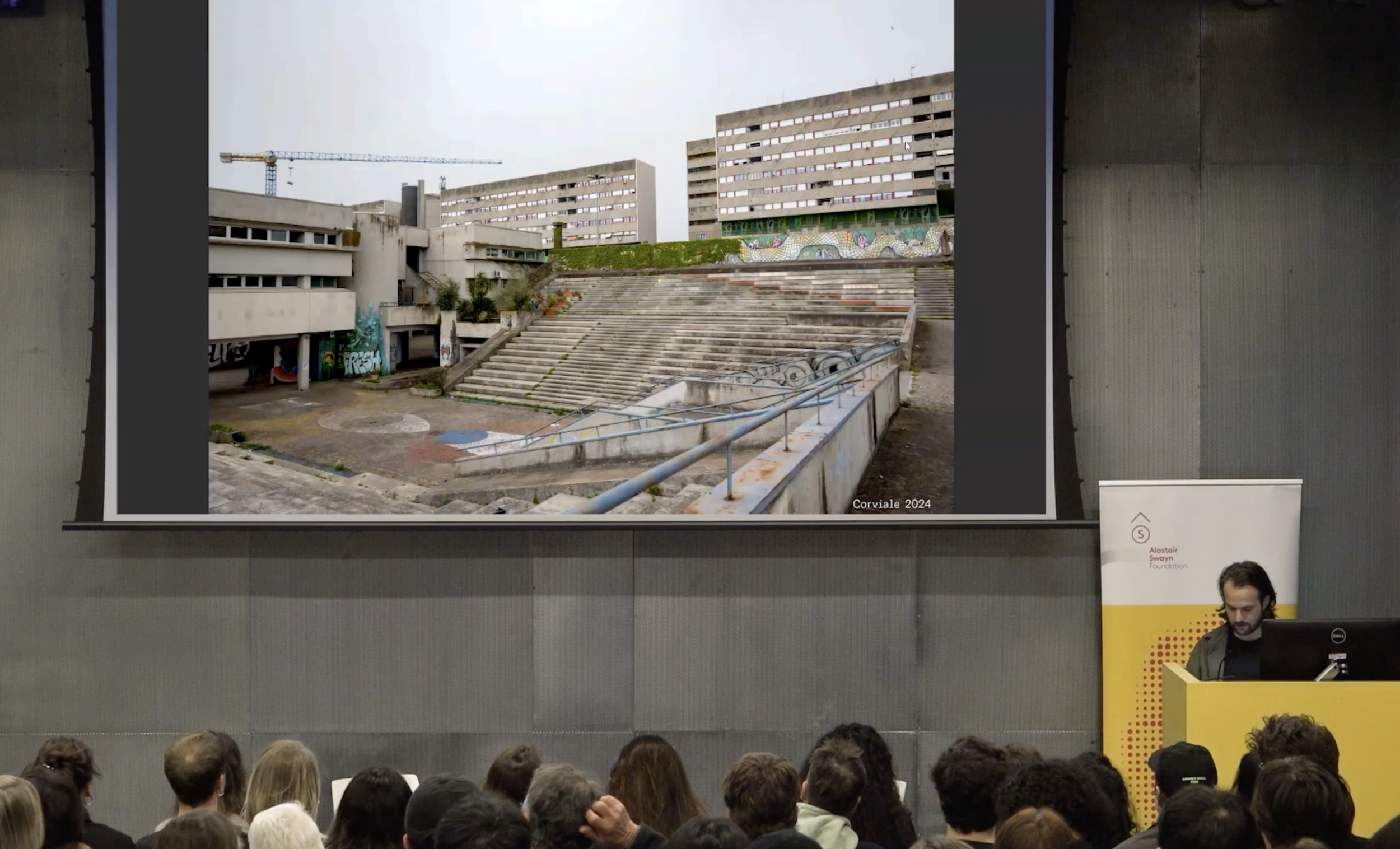
Learning from Corviale
The Alastair Swayn Foundation – RMIT Architecture Affiliated Fellowship at the American Academy in Rome provides an extraordinary opportunity for early and mid-career Australian architects, landscape architects, and design professionals to advance their practice on an international stage. The Fellow is awarded an eight-week residential experience at the American Academy in Rome.
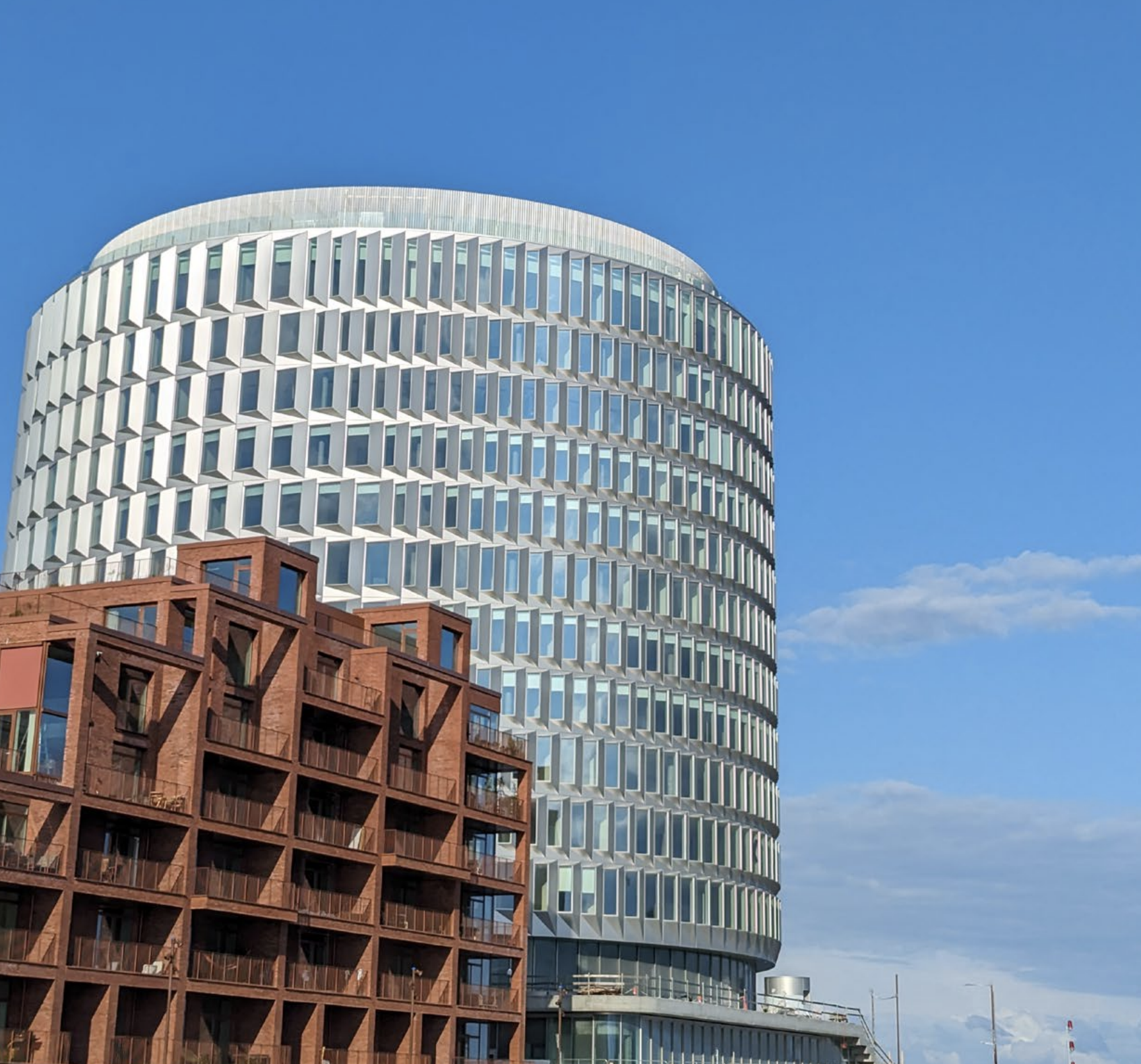
Again & Again & Again: A Mini Series to Hearing Architecture
A research, sculpture, podcast and event series investigating circular design in the built environment. Hilary captures conversation with those who have tried and tested systems; from grassroots to the complex, for designing in waste, and out single-life use of construction materials and services.
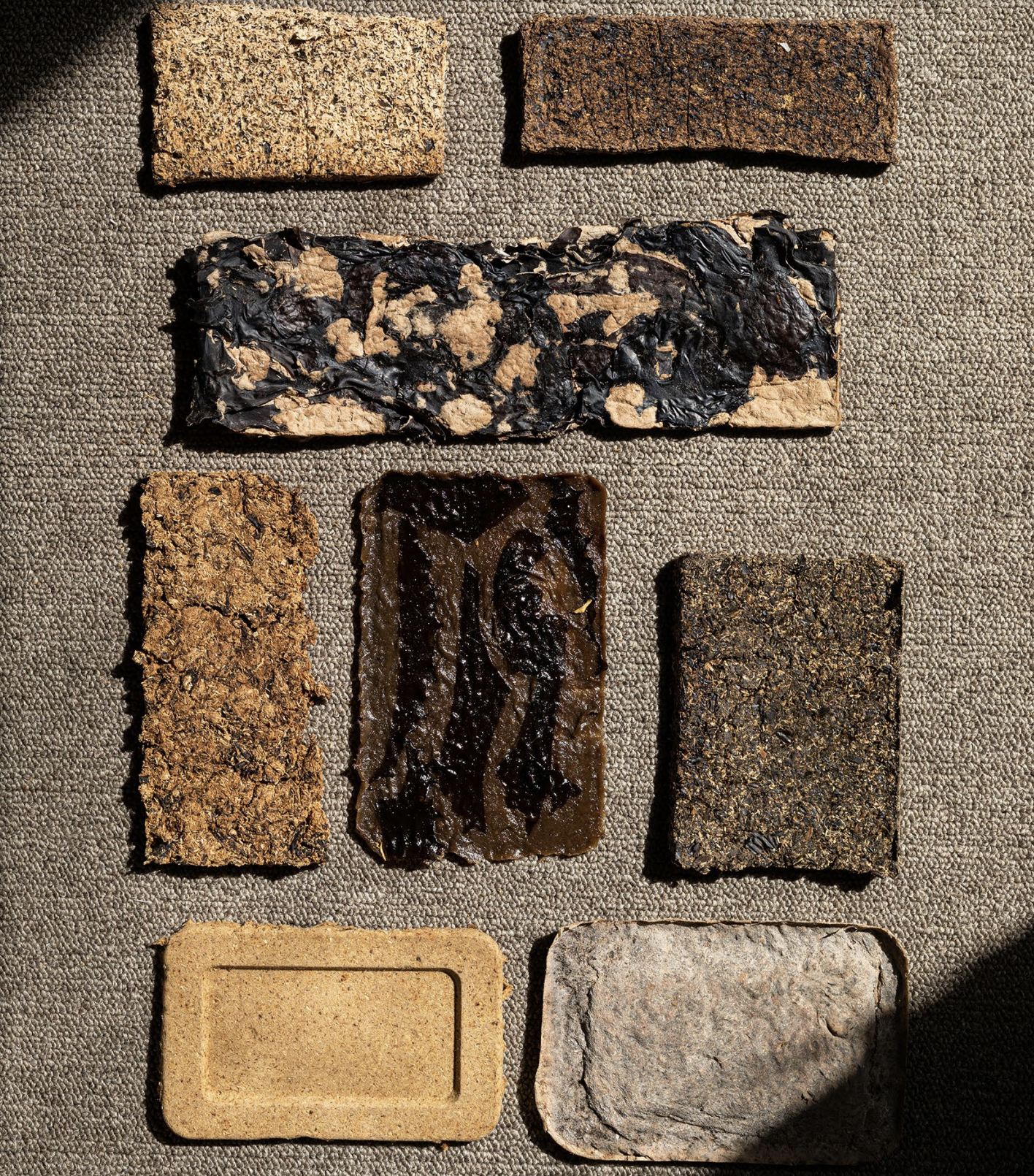
Phycoforms: Building the Future with Seaweed
Phycoforms was created to explore the potential of utilizing biofouled content from the seaweed farming process to create rigid compressible seaweed biocomposites for the building industry. This material system exploration looks into the unique properties of alginate present in brown seaweed and how this can be utilized to make more resilient and fire-retardant building materials.
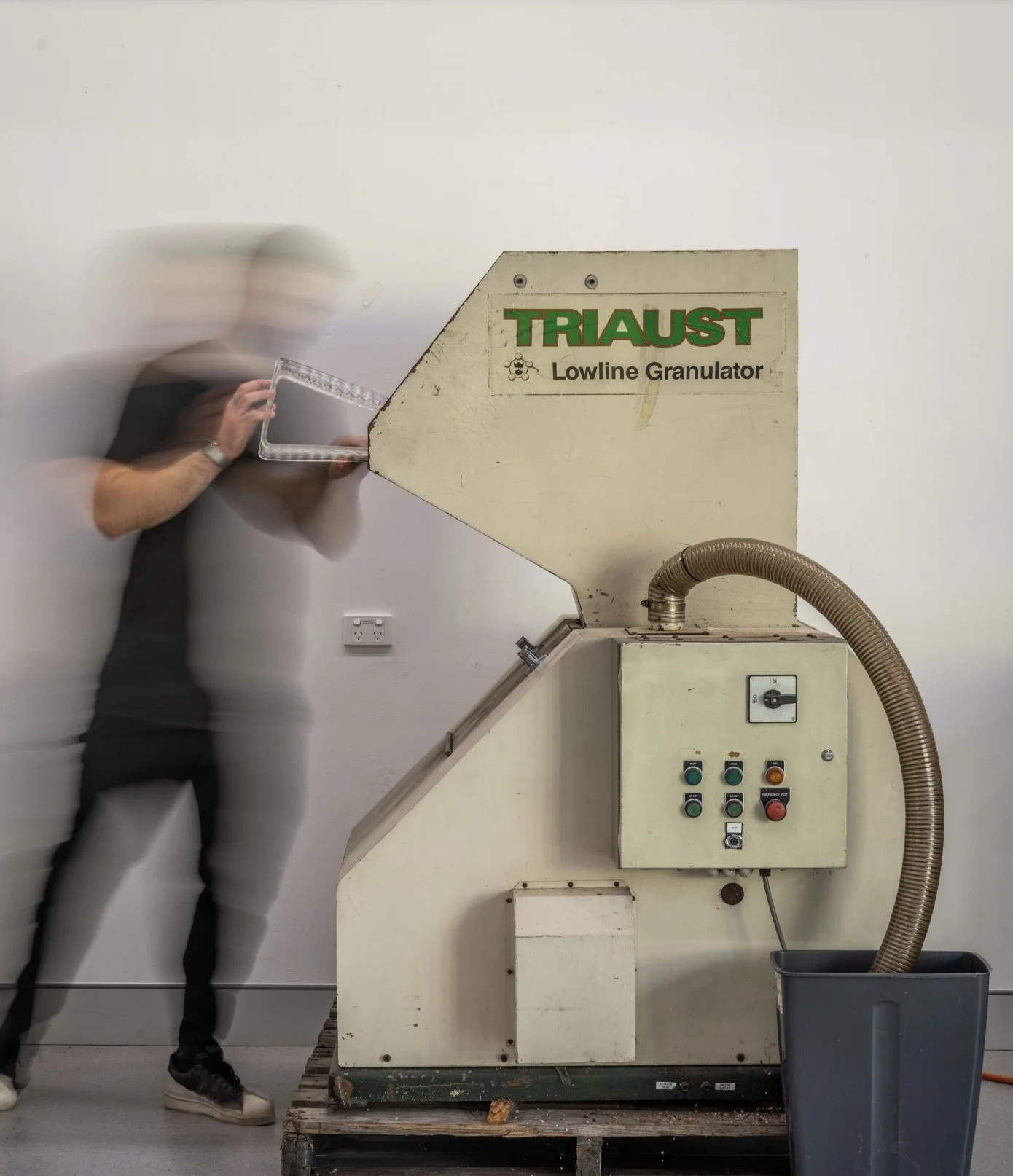
Workplace Plasticity: Furnishing the Net-Zero Office through Robotic Fabrication
The high turnover of Australia’s commercial office space represents an often overlooked component of the built environment’s ecological footprint. Drawing upon circular-design strategies, Workplace Plasticity offers an approach to the design and fabrication of common workplace elements using recyclable Polyethylene Terephthalate Glycol (PETG) plastic.
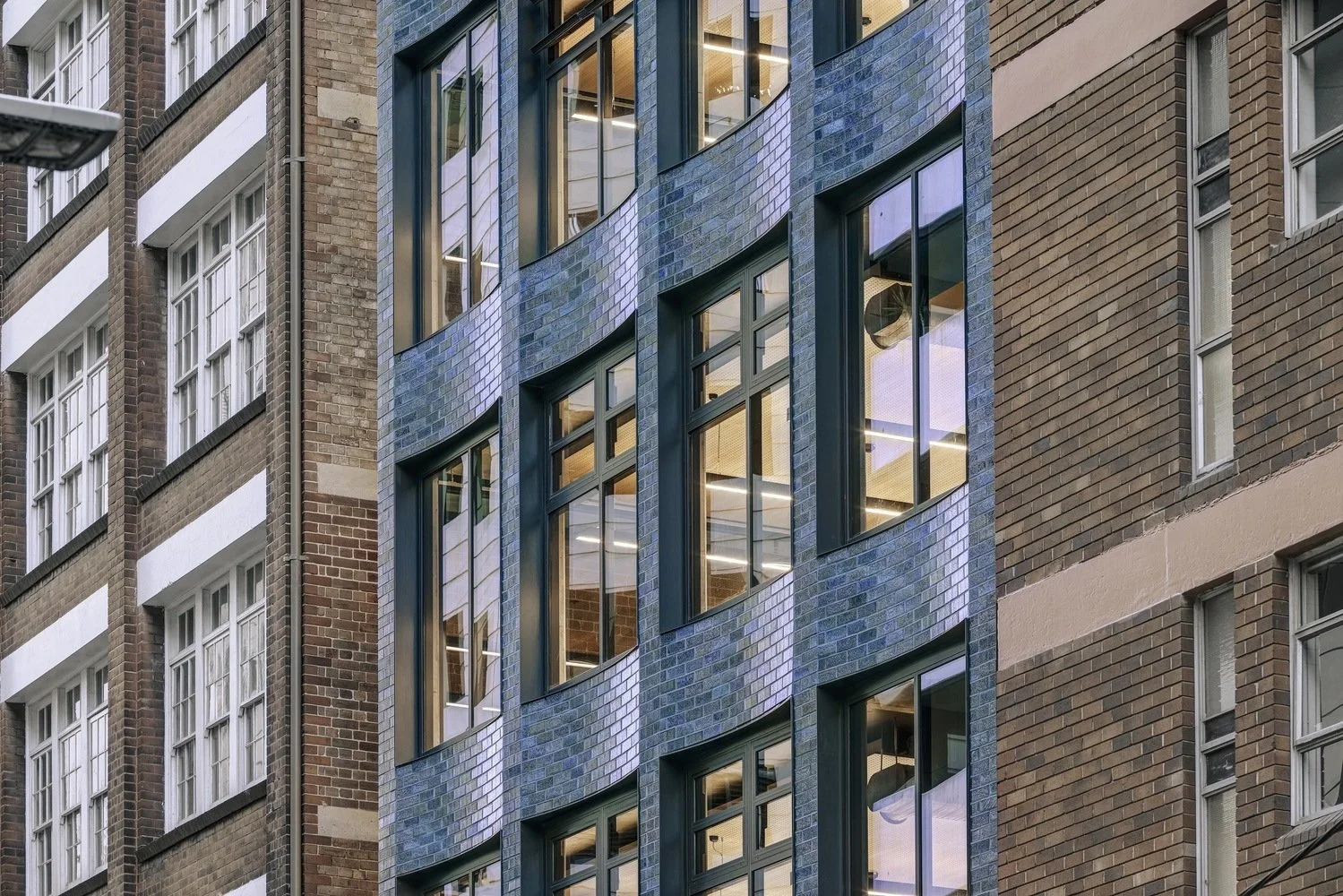
Adapt: Empowering Adaptive Reuse in Historic Precincts
The project aims to showcase design and practice-based approaches to the sustainable, adaptive reuse of historic places in Australia. Supported by the Swayn Foundation grant, and building on our research, a series of 12 interviews have been conducted with leading architects and heritage practitioners in four Australian states.
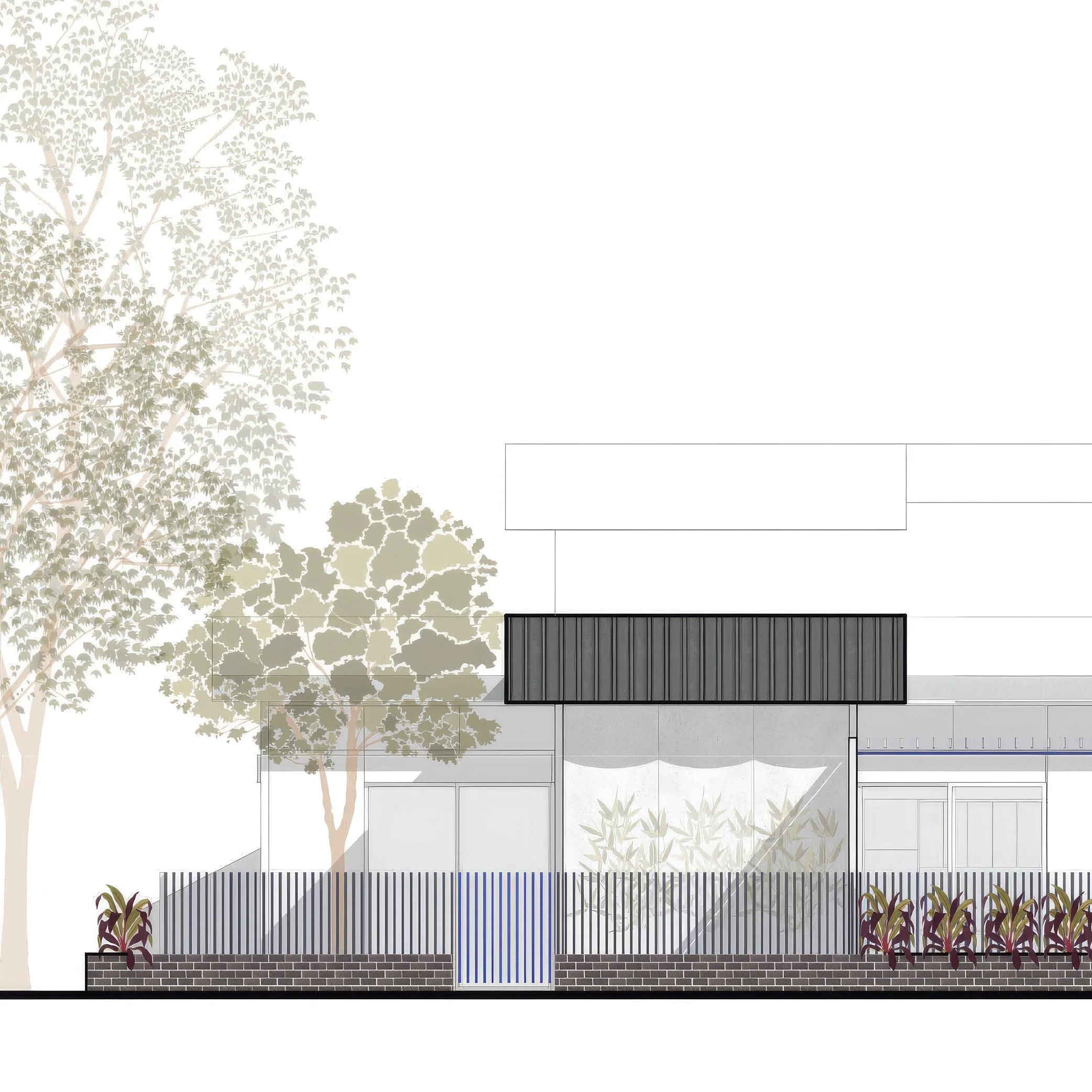
Designing Better, Not Bigger: Dynamic Architecture through Scalable Modular Systems
The project looks to improve sustainability and affordability for first home buyers, affordable housing clients and marginalised demographics, contributing towards establishing additional pathways towards property ownership for low to middle income earners. It provides a dwelling type that has the flexibility to change as the circumstances and expectations of the residents evolve.
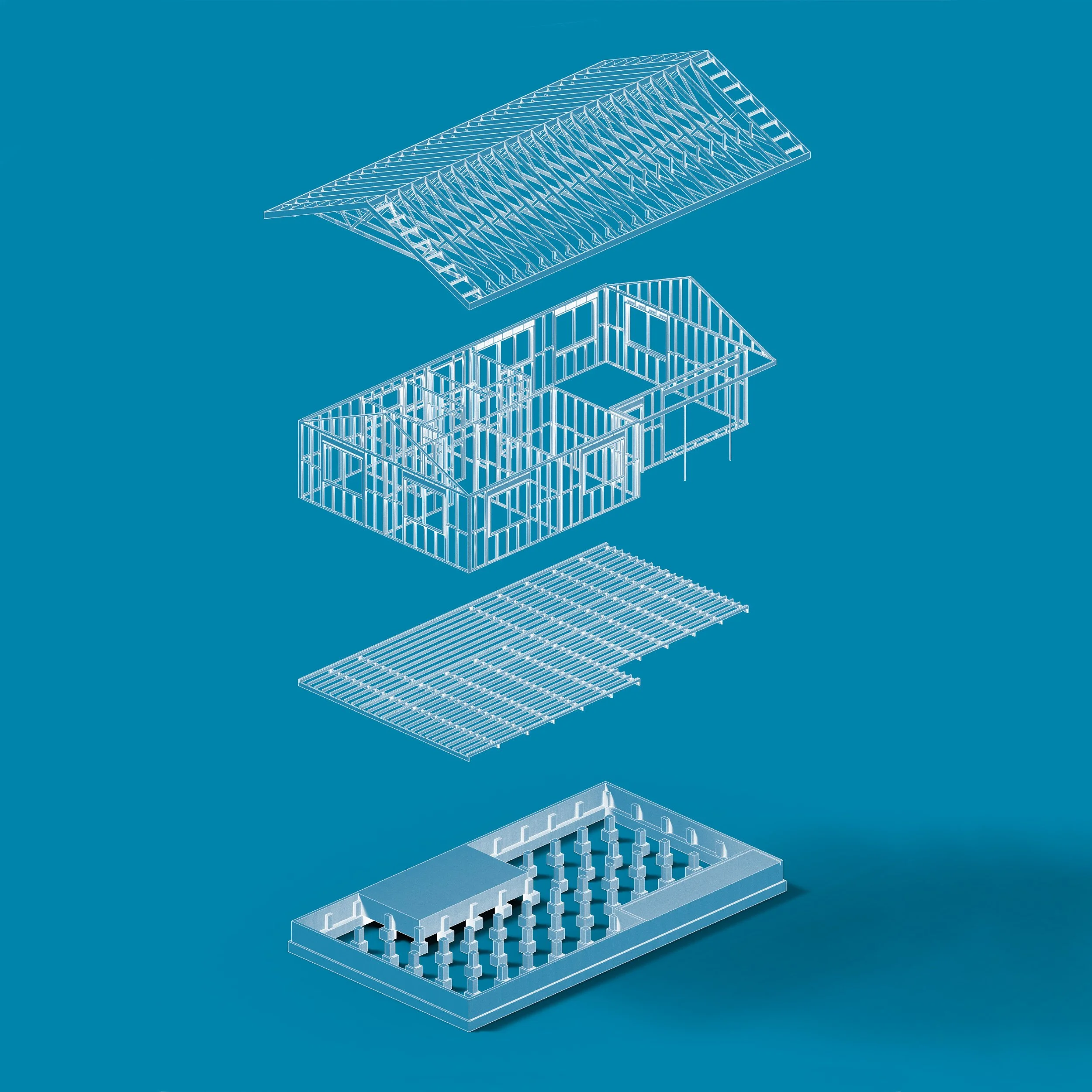
Another Canberra House: Assessing the Historical Environmental Impact and Future Performance Possibilities of Existing Housing Stock Via Retrofit
This study identifies and environmentally profiles performance-based retrofit options for a typical Canberra ‘ex-Govie’ house against the criteria of energy efficiency, embodied energy and cost.