
Swayn Open Research
The Alastair Swayn Foundation is committed to information sharing and transparency of the research it funds. We believe that research supported by the Foundation should be made discoverable and readily accessible online. The Swayn Open Research repository provides a place for researchers to promptly have their findings published on an open access basis, to benefit the architecture and design community.
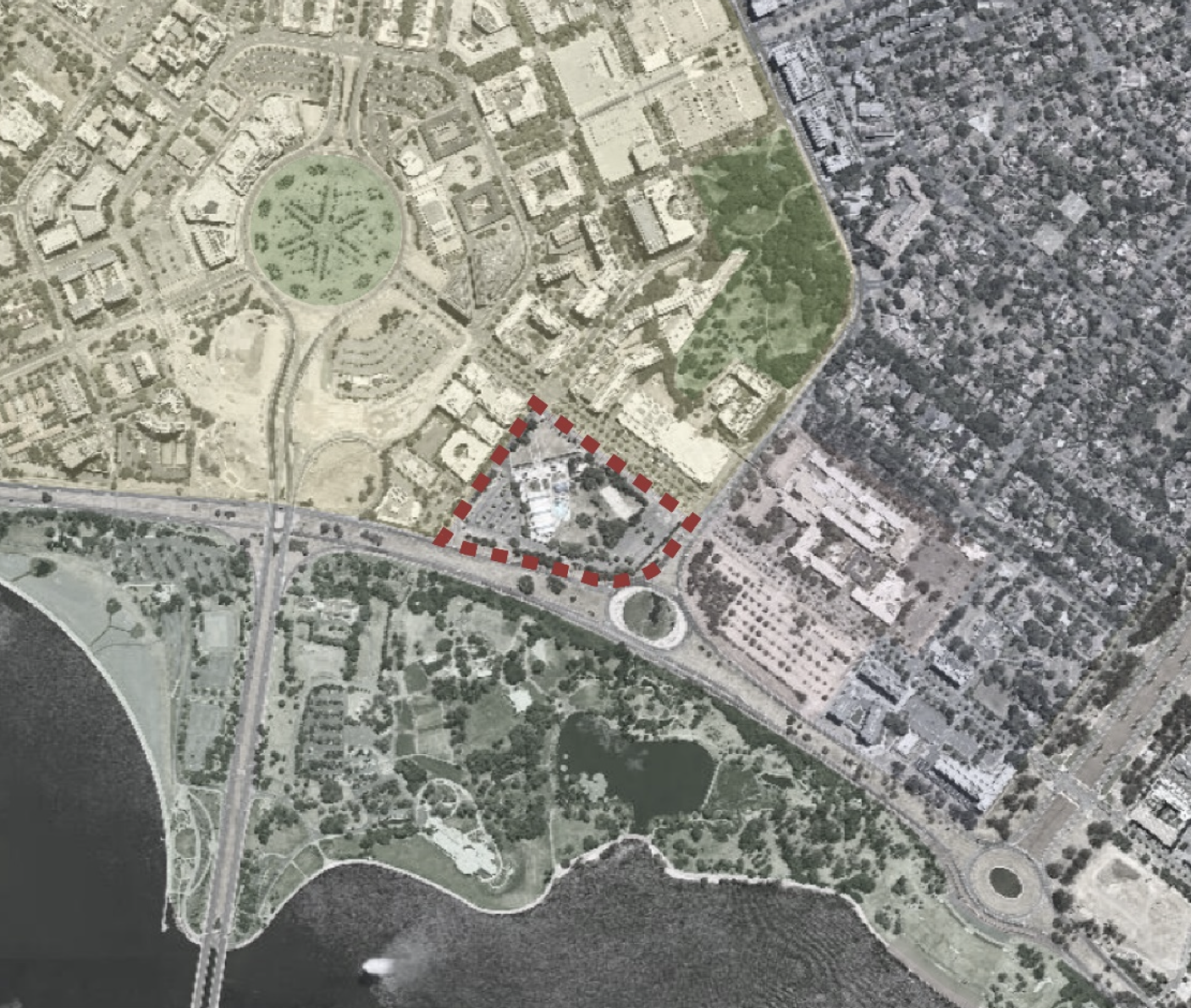
Beyond the Traditional Stadium: Strengthening the Relationship Between the Stadium and the City
This research challenges the conventional view of stadia as single-purpose spaces, exploring how hybrid stadium adaptations can foster a stronger connection with the city. By examining the potential for 24-hour functionality, this study aims to inform government and built environment professionals on designing multi-use stadiums that enhance Canberra’s urban landscape.
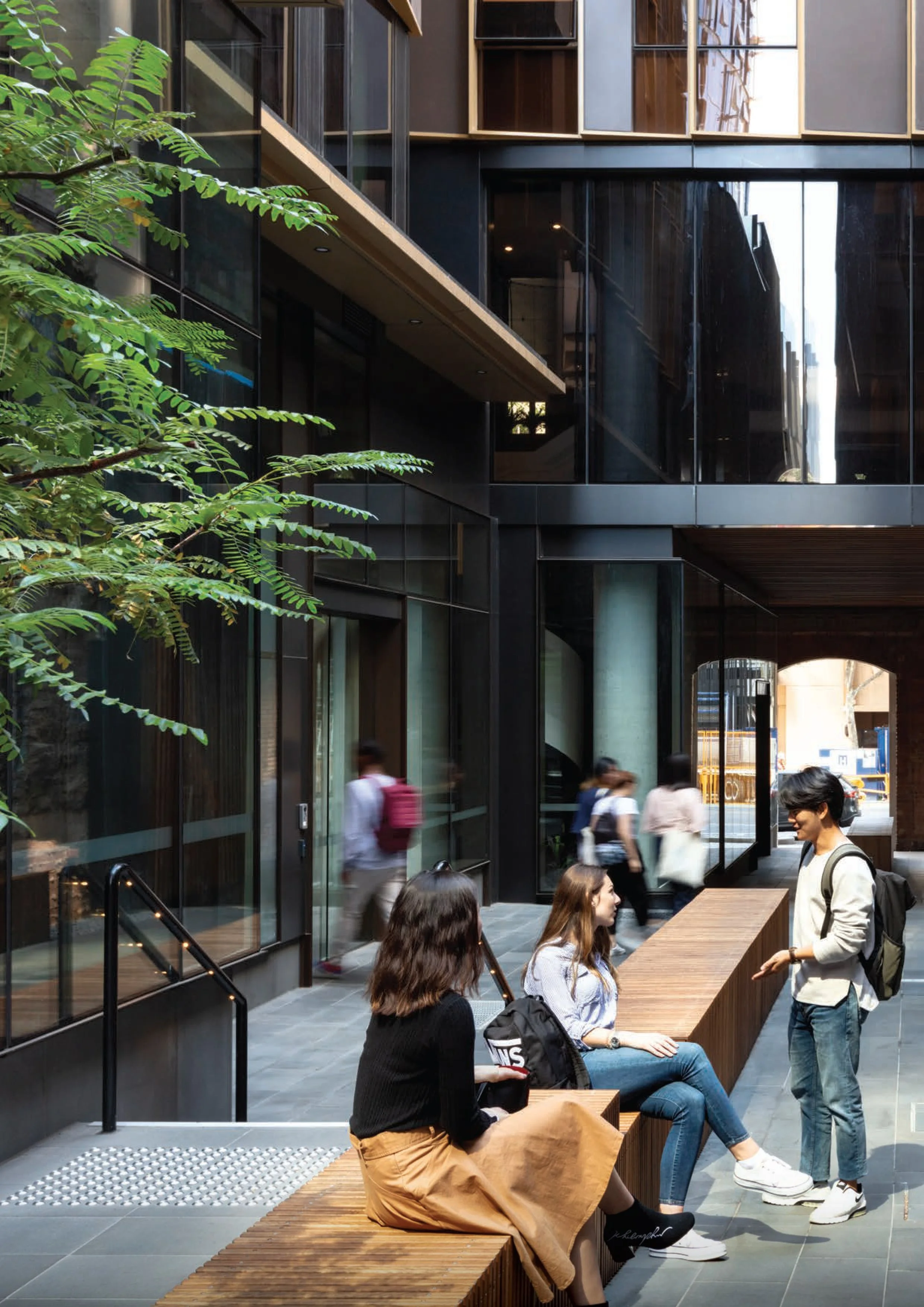
Social Value in the Built Environment: Lessons from Housing Case Studies
This research seeks to share insights and demonstrate how a clear, standardised methodology can be applied across different project stages. By adopting a systematic approach to creating, measuring, and delivering social value, architects are better positioned to consistently improve project outcomes.
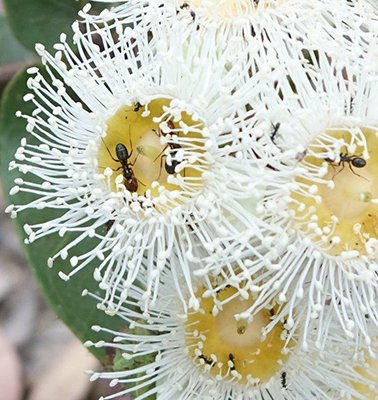
Pollinator Corridor Research: Investigations into a pollinator corridor for inner Sydney, Australia
This report, developed in collaboration with the University of Technology Sydney, City of Sydney, Loop Landscape Studio and research scientists, investigates how and where a habitat corridor for pollinators could be implemented in the City of Sydney local government.
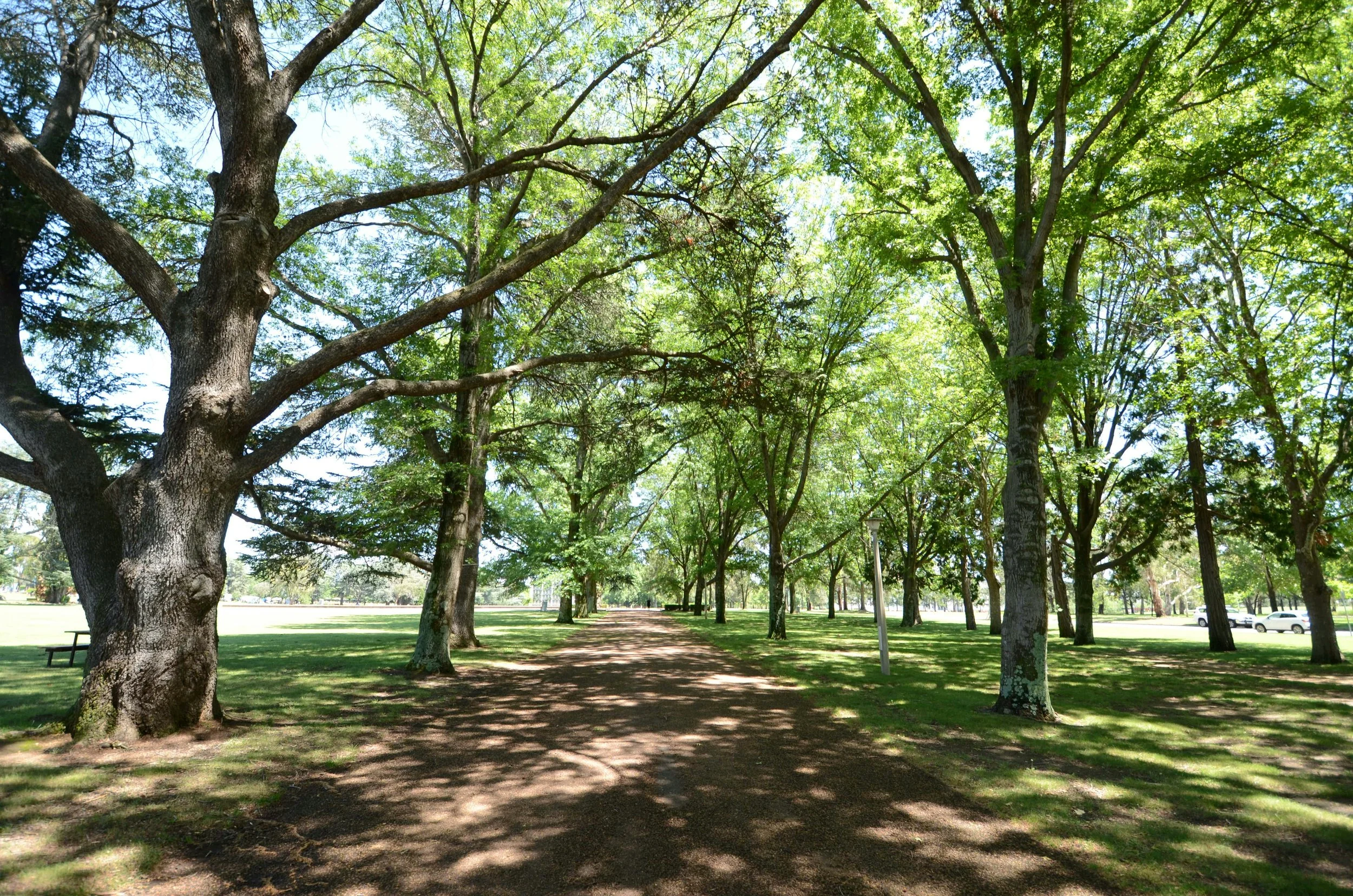
Suburban Heat: An Examination of the Urban Heat Island Effect in Canberra, through an In-Depth Analysis of the Suburb of Wright and a Review of ACT Government Policy
In recent policy documents, the ACT government has identified increasing canopy cover as their primary response to the urban heat island effect. This research sought to understand how attainable the identified 30% canopy cover target was, particularly in Canberra’s newer existing suburbs, which have some of the lowest levels of canopy cover in the city.
Living Together: The Role of Shared Living in Canberra’s Future Urban Design
Canberra’s future urban design framework will need to respond to several challenges, including a rapidly growing population with limited land, providing affordable housing options to all households, promoting more sustainable practices, and enhancing amenity and choice for residents. This report investigates the role of shared living in Canberra’s urban design mix as a response to these challenges, focussing on opportunities and challenges.
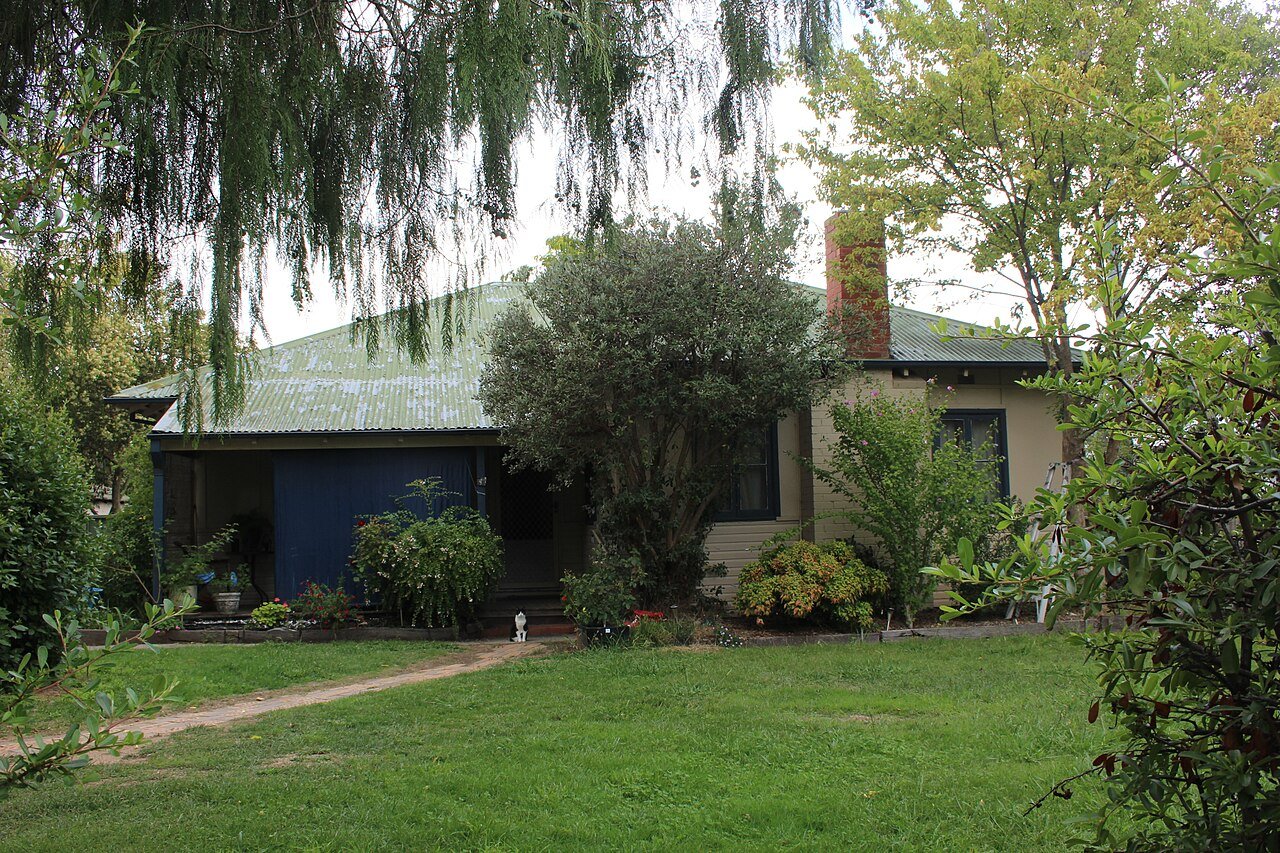
The Future of the Canberra Suburb: An Exploration of Canberra’s Inner Suburbia and the Possibilities for its Densification
This research investigates the Tocumwal Housing sites of O’Connor, Canberra, to explore the possibilities for accommodating Canberra’s growing population within its existing inner suburbs in a manner that retains their unique character underlying principles.
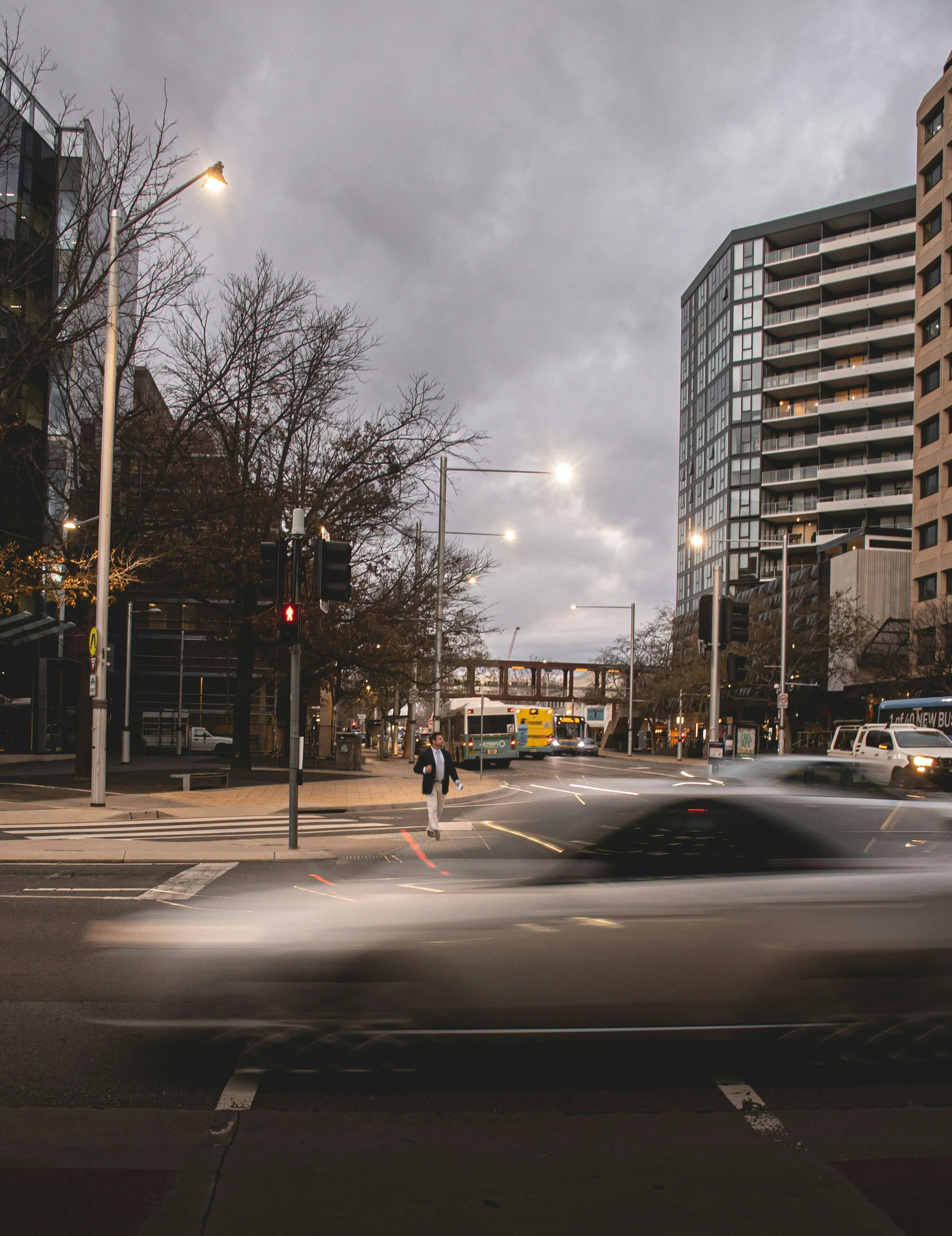
Canberra’s Urban Soundscape
This research looks at the engagement of the urban soundscape to be a visualisation tool to further understand the characteristics of the noise experience.