
Swayn Open Research
The Alastair Swayn Foundation is committed to information sharing and transparency of the research it funds. We believe that research supported by the Foundation should be made discoverable and readily accessible online. The Swayn Open Research repository provides a place for researchers to promptly have their findings published on an open access basis, to benefit the architecture and design community.
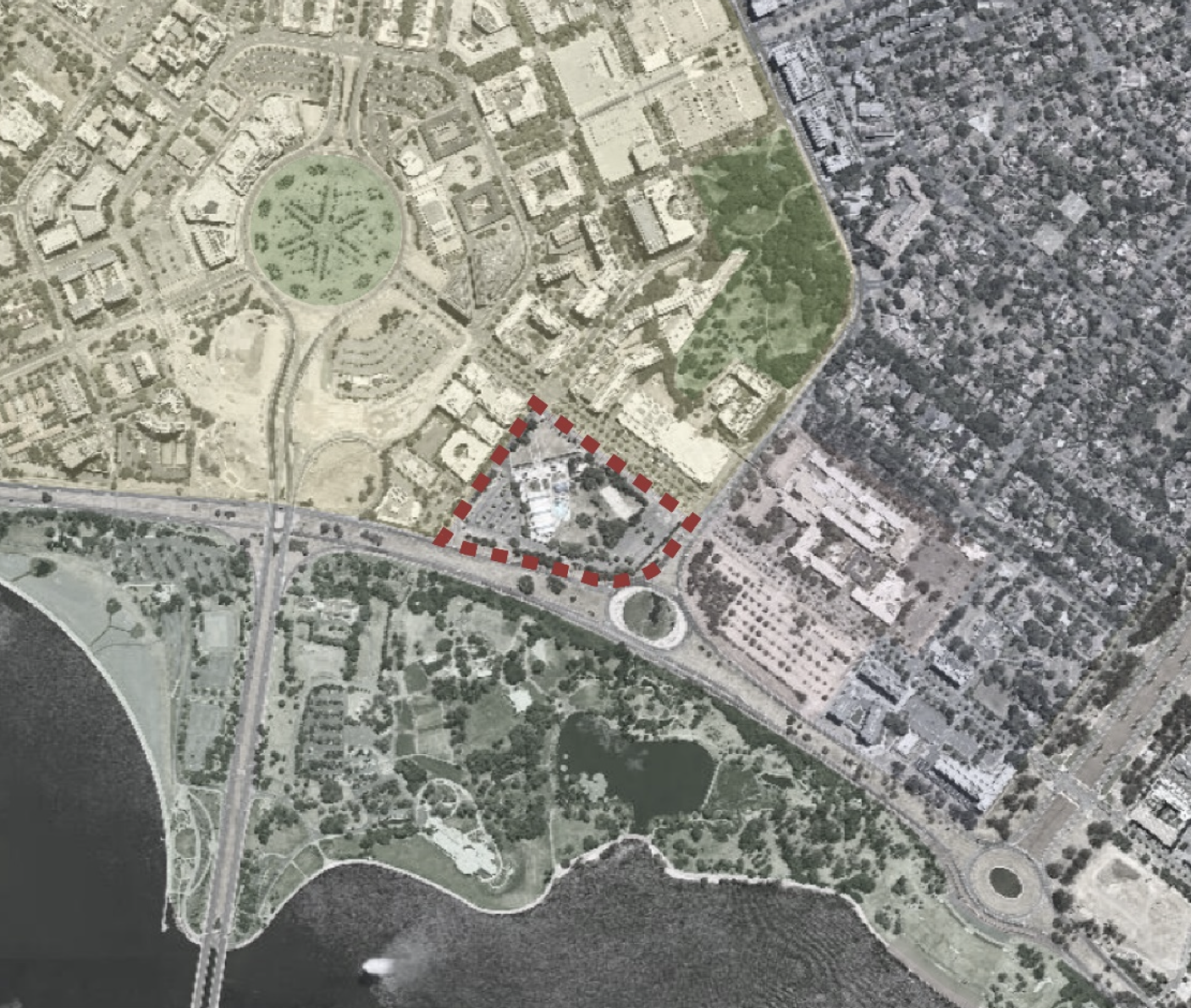
Beyond the Traditional Stadium: Strengthening the Relationship Between the Stadium and the City
This research challenges the conventional view of stadia as single-purpose spaces, exploring how hybrid stadium adaptations can foster a stronger connection with the city. By examining the potential for 24-hour functionality, this study aims to inform government and built environment professionals on designing multi-use stadiums that enhance Canberra’s urban landscape.
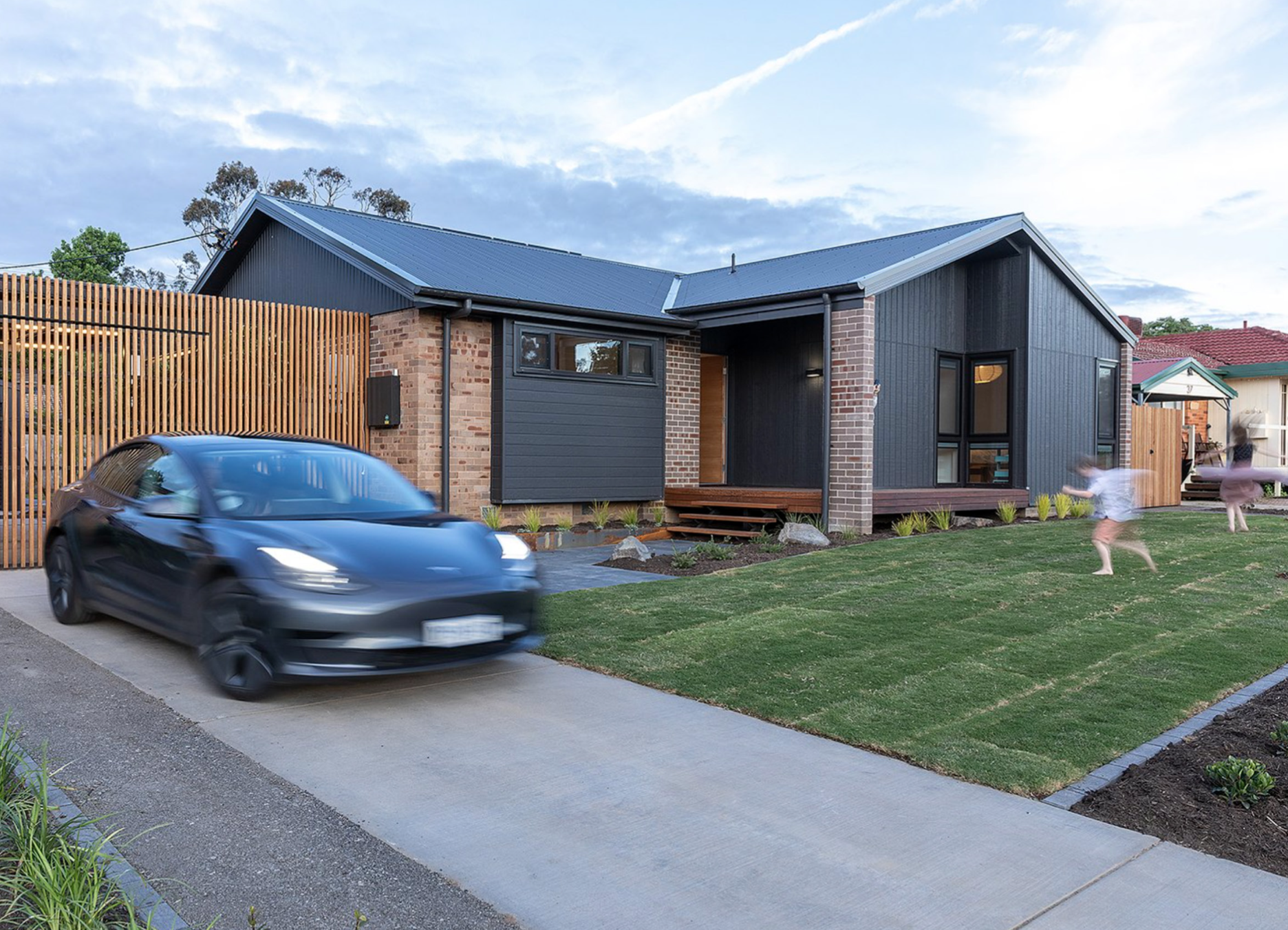
Retuning the Ex Govie: A guide to renovation and extension of the Canberra 400 series ex government houses
As the city evolves, so do its housing needs. While ex-govies played a vital role in housing and community development in the 1960s, they are increasingly becoming outdated. This research explores three major housing challenges facing Canberra today, along with three specific challenges unique to ex-govies.
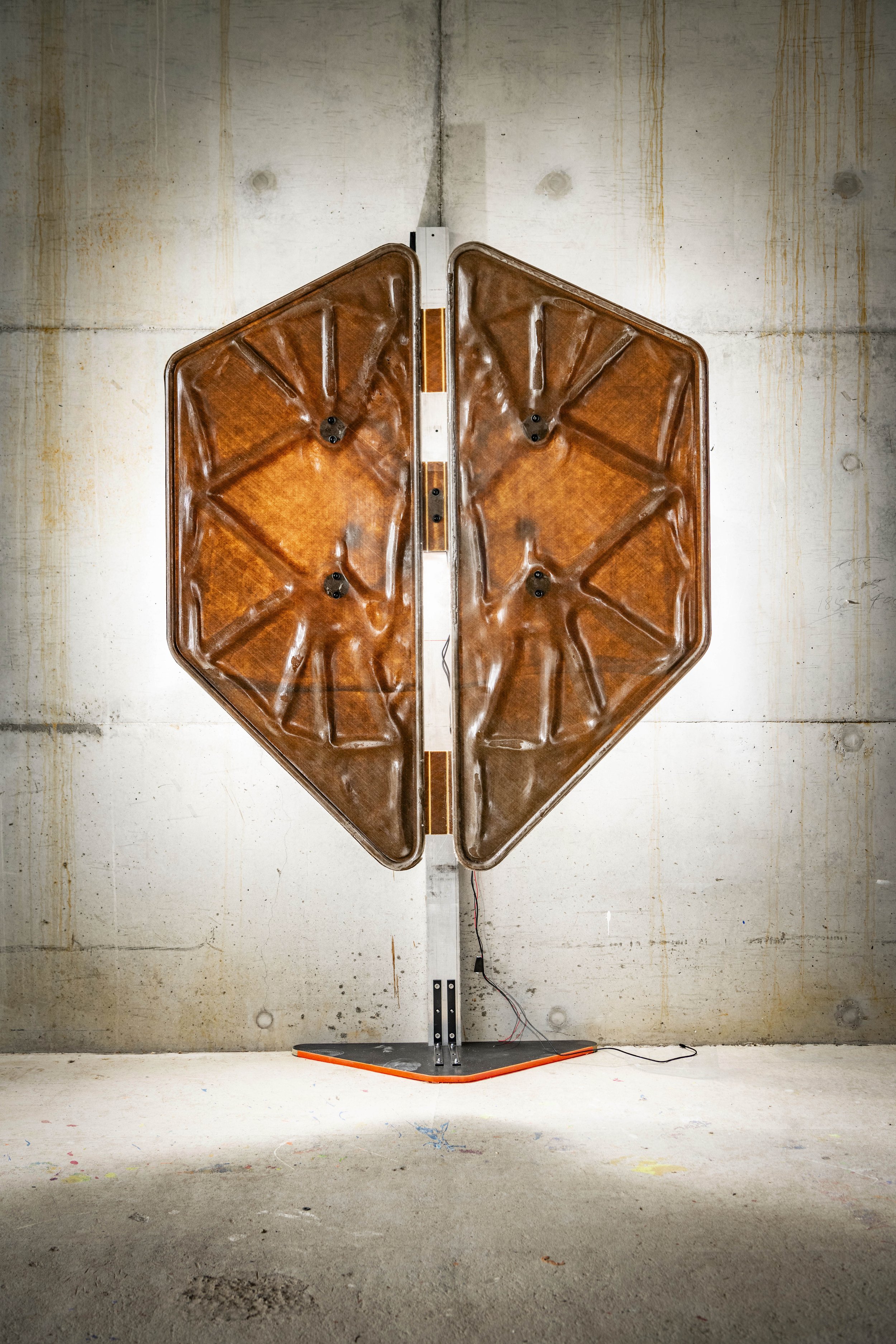
Second Skin (aka. FlaxWing): Exploring bioclimatic wrapping for climate-resilient housing in Australia
Second Skin (aka. FlaxWing) is a research project that focuses on the possibilities of a more climate responsive architectural approach. Via concepts of adaptation, we consider the social and technical reuse of existing building stock; the transformation of prevailing construction practices via the uptake of bio-based and low-carbon building materials; and the very adaptation of buildings themselves in response to environmental and occupant influences enacted via cyber-physical systems.
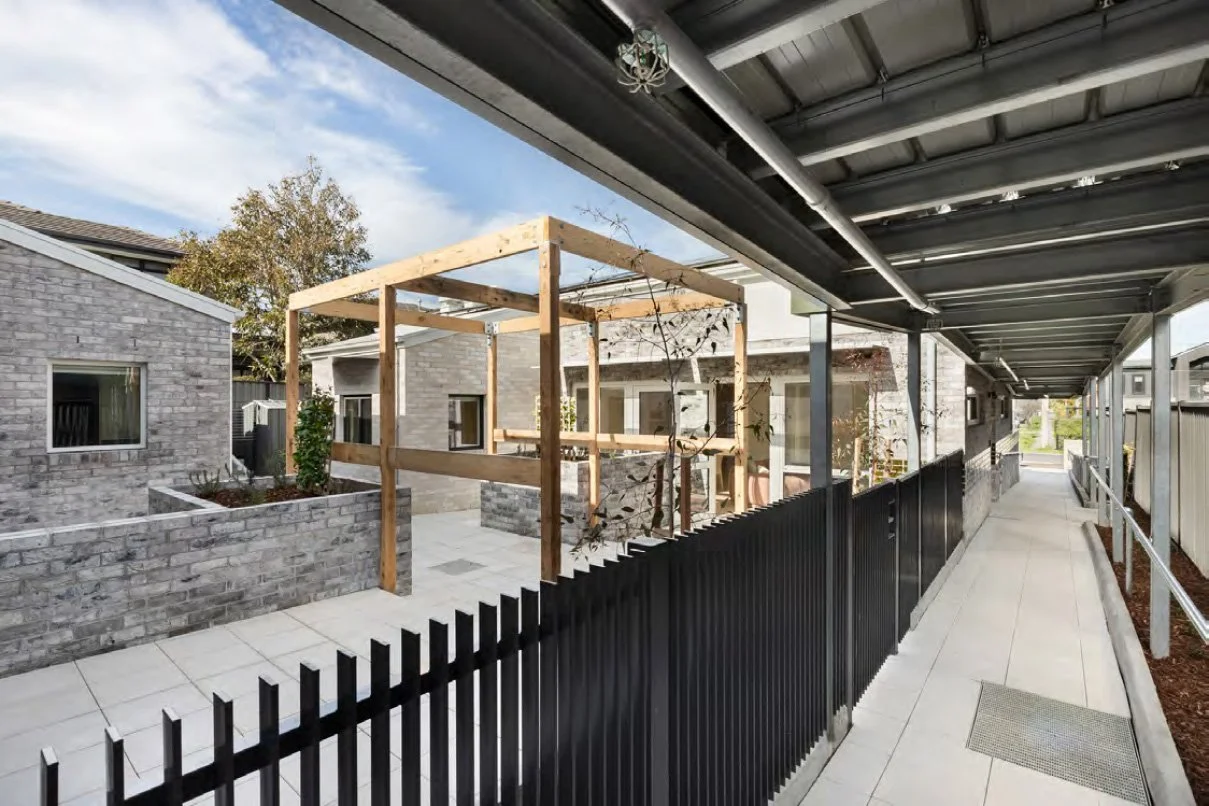
Towards an Ethic of Care: Designing and delivering alternative housing models
This research uses a case study approach to undertake a ‘deep dive’ into innovative and exemplary housing projects. The interviews and case studies identified nine key insights relevant to the entire design and delivery process, from housing policy, through to the ongoing operation and maintenance of buildings.
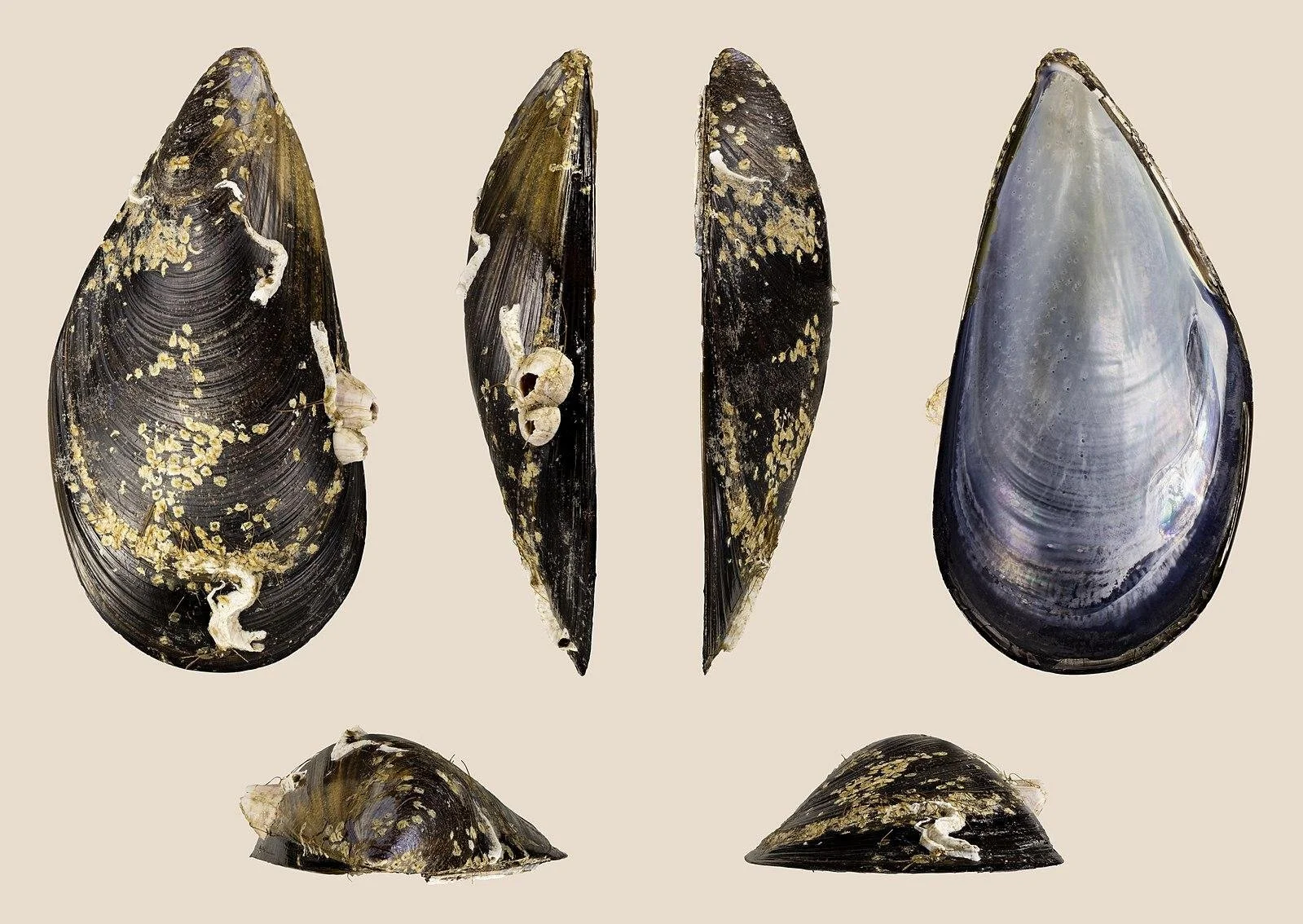
Liquid Infrastructures: An Archive of the Central Sydney Estuary
This digital working-archive, offers an in-depth exploration of Sydney’s industrial evolution, capturing the often-overlooked fragments of early industrial activities around its waters.
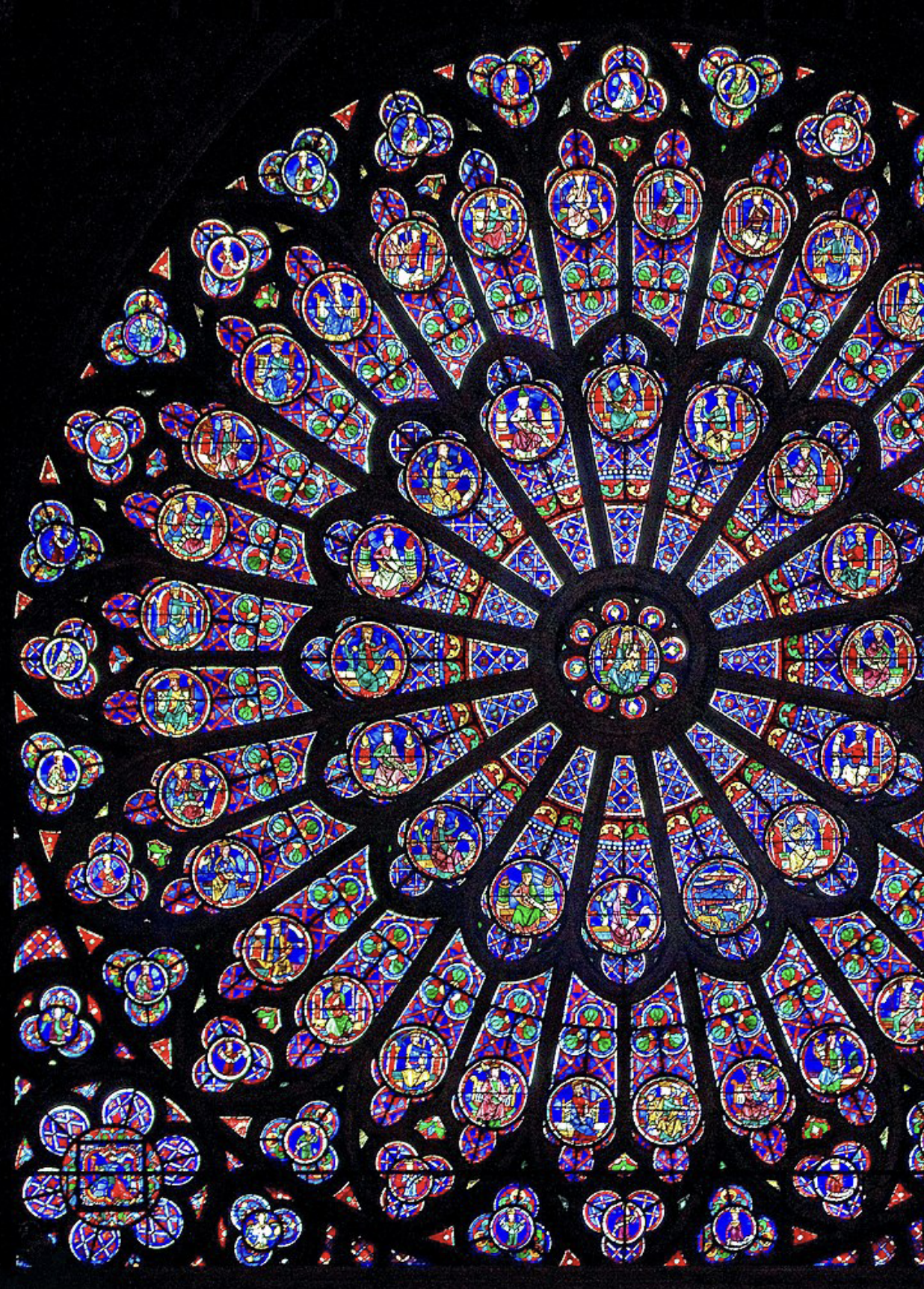
Glass in the Anthropocene: Explorations with a Magical Material
In the age of the Anthropocene, Heliotope seeks to explore the creative possibilities for glass gleaned from the circular economy.
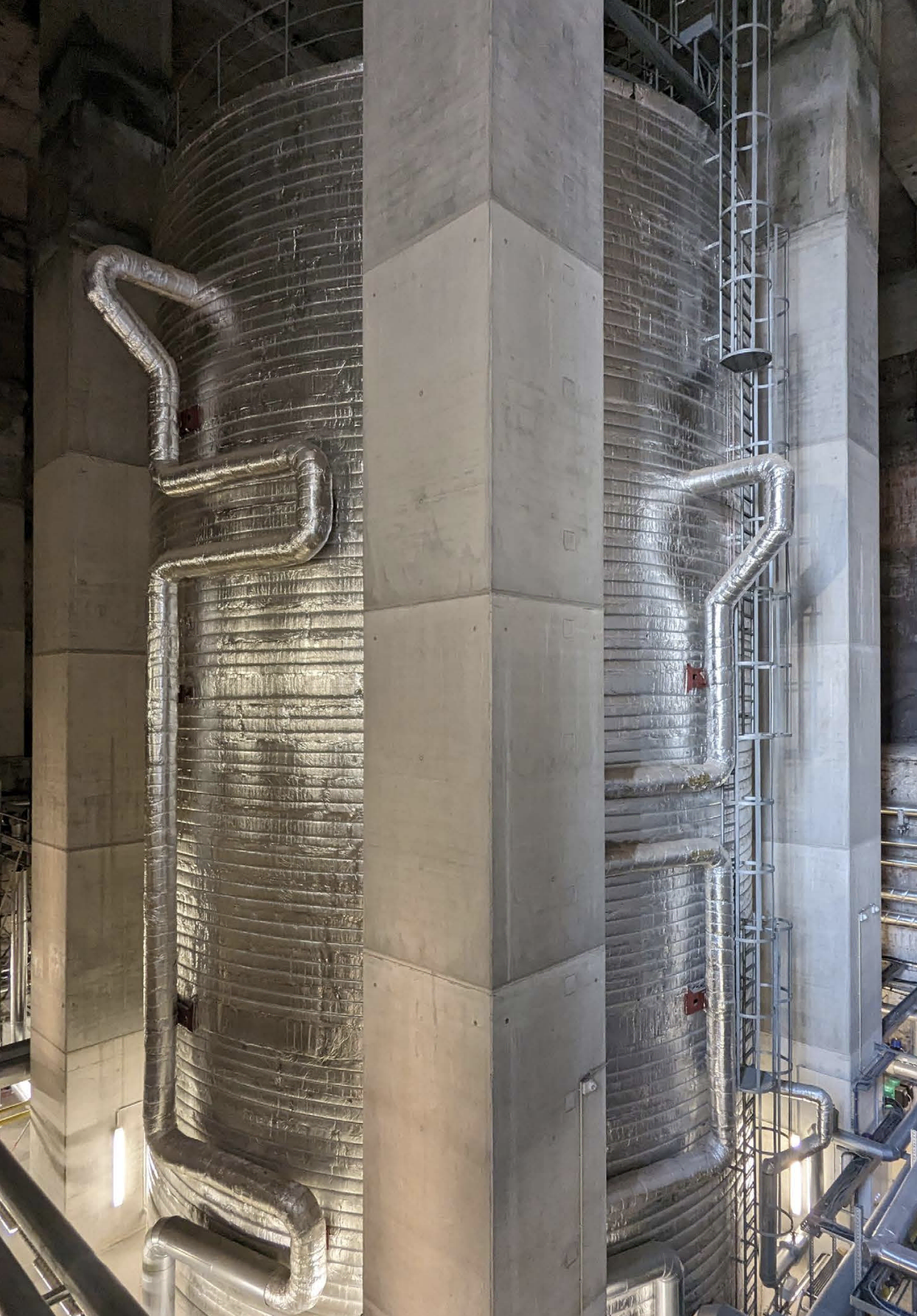
Notes from a finite world: A study of post-carbon paradigms for architecture
This report surveys exemplar projects and practices – divided into three categories, Energy, Waste, and Materials – from across Northern Europe (in member-countries of the European Union) where decarbonisation initiatives are being funded and implemented at different scales and time-frames to that of Australia.
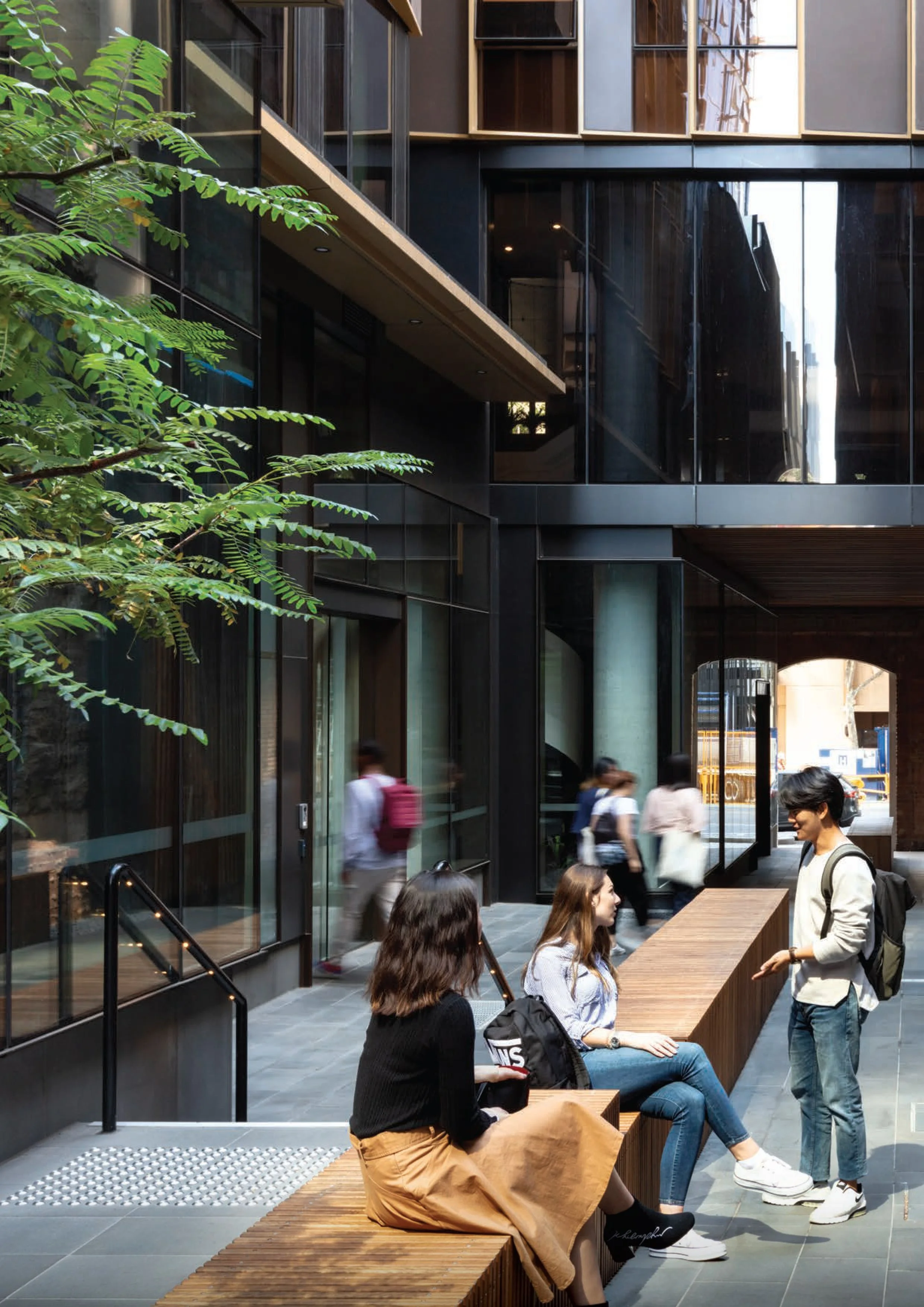
Social Value in the Built Environment: Lessons from Housing Case Studies
This research seeks to share insights and demonstrate how a clear, standardised methodology can be applied across different project stages. By adopting a systematic approach to creating, measuring, and delivering social value, architects are better positioned to consistently improve project outcomes.
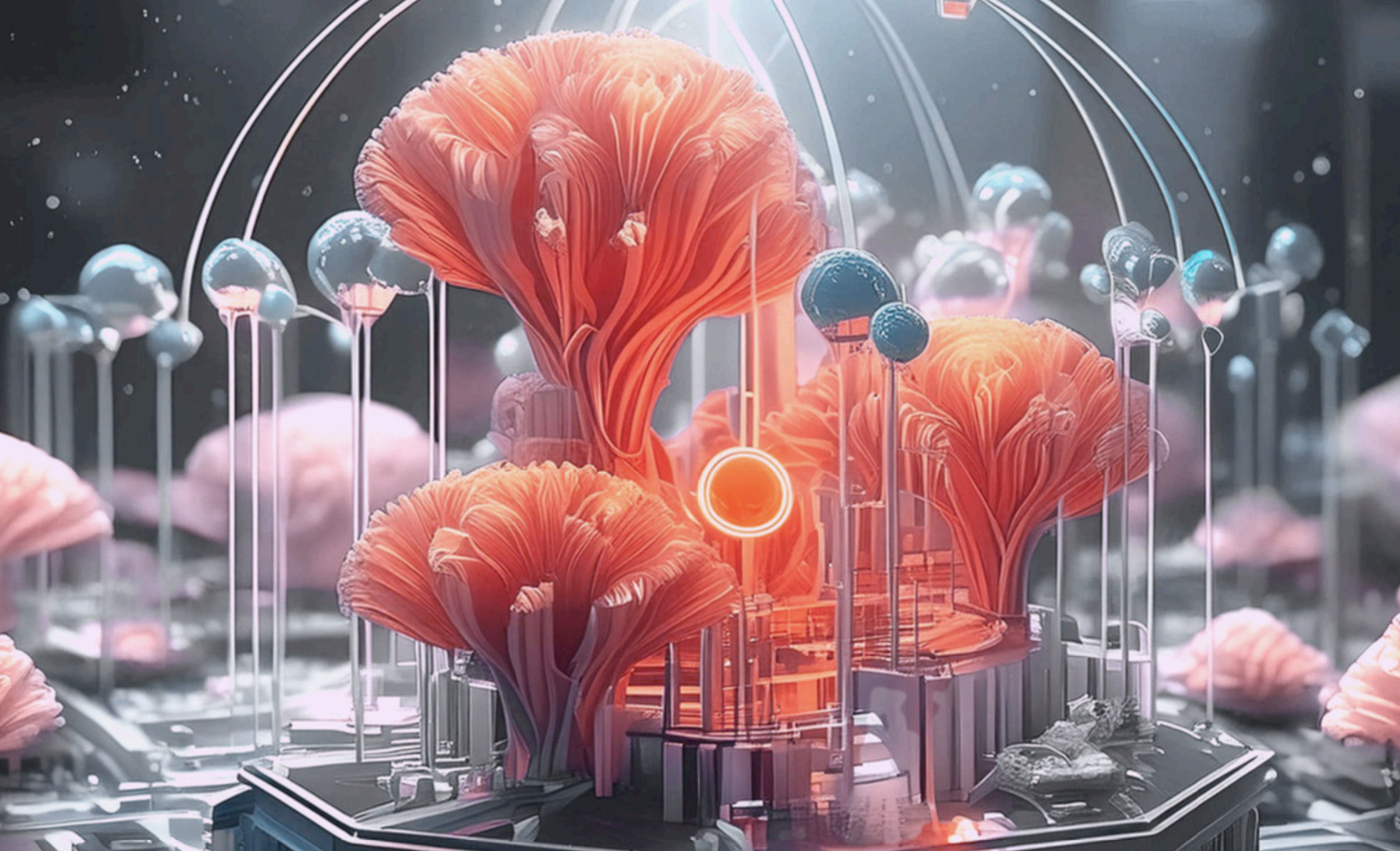
Generative AI in Design Education: Post-digital Pedagogies Toolkit
The report includes insights, challenges, and potential ways of working with generative machine learning models. It also offers a suite of design class activities that educators can use with their students. The activities have been tested and evaluated in these design studio classes and are also shared on Instagram.
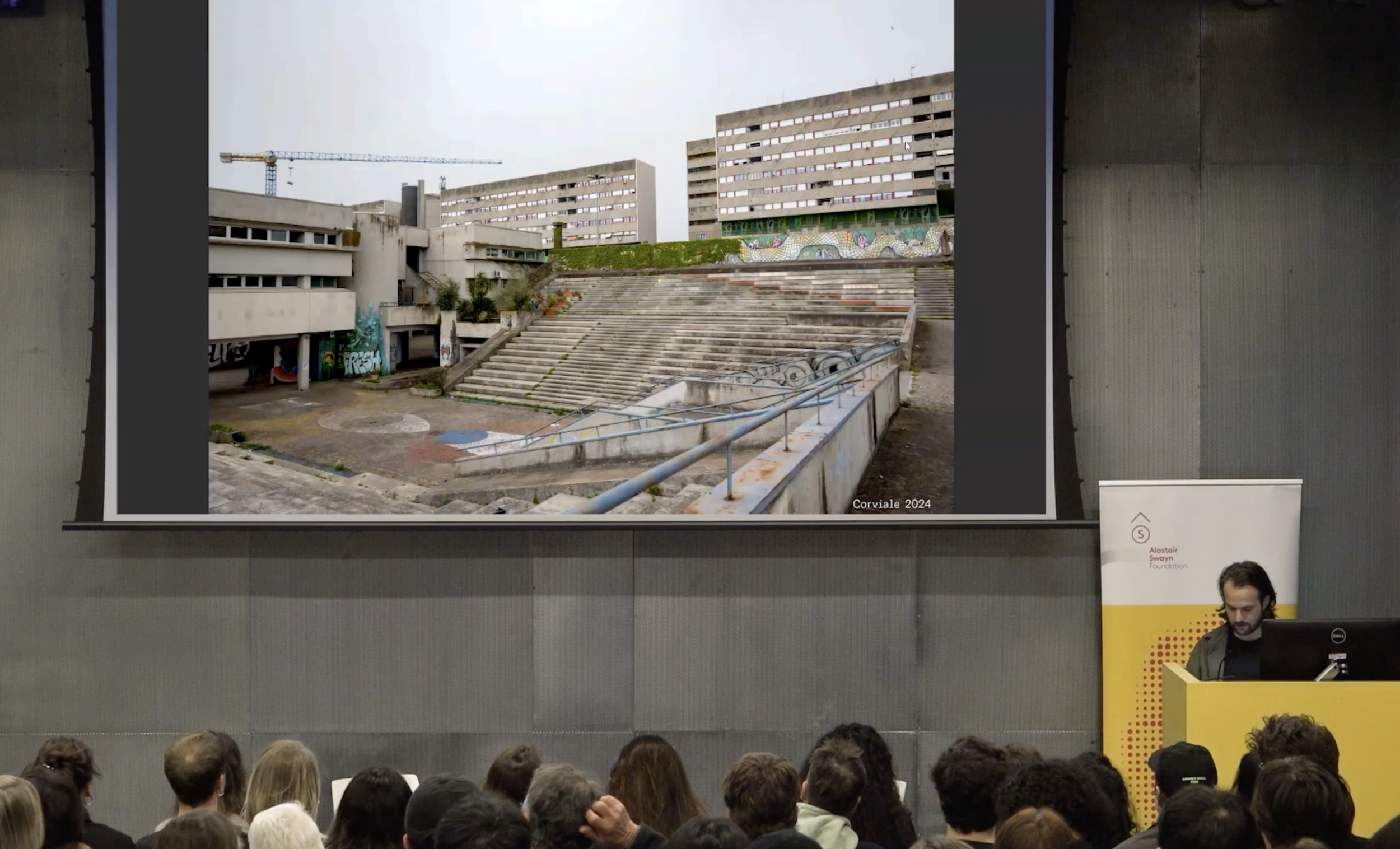
Learning from Corviale
The Alastair Swayn Foundation – RMIT Architecture Affiliated Fellowship at the American Academy in Rome provides an extraordinary opportunity for early and mid-career Australian architects, landscape architects, and design professionals to advance their practice on an international stage. The Fellow is awarded an eight-week residential experience at the American Academy in Rome.
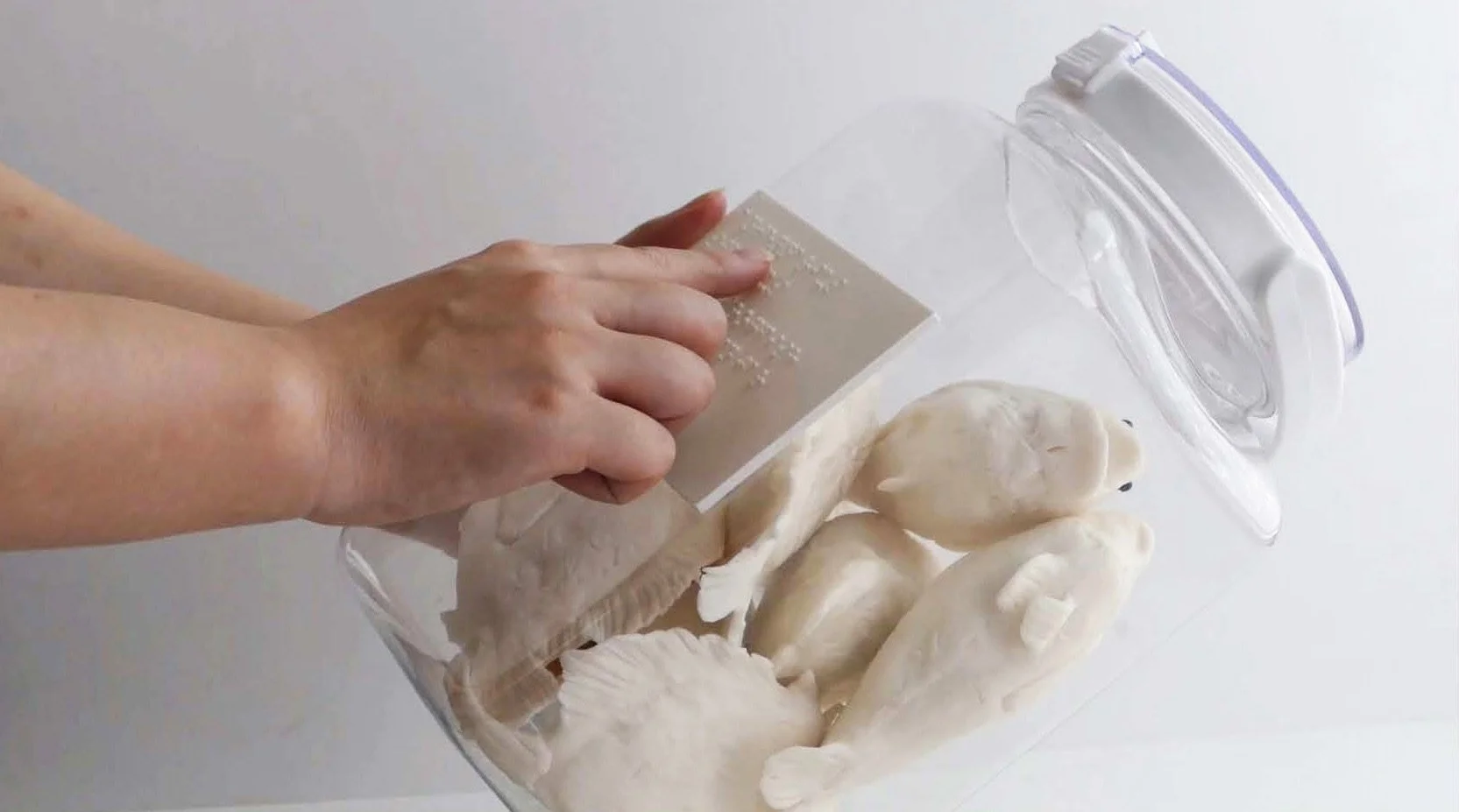
Museum for Touch: Towards Object Based Learning and Accessible Museums for Blind and Low Vision Children and Adults
Museums protect artworks and artifacts behind glass, making them inaccessible to blind and low-vision visitors. This research proposes designing touch models to make cultural narratives and knowledge accessible to all.
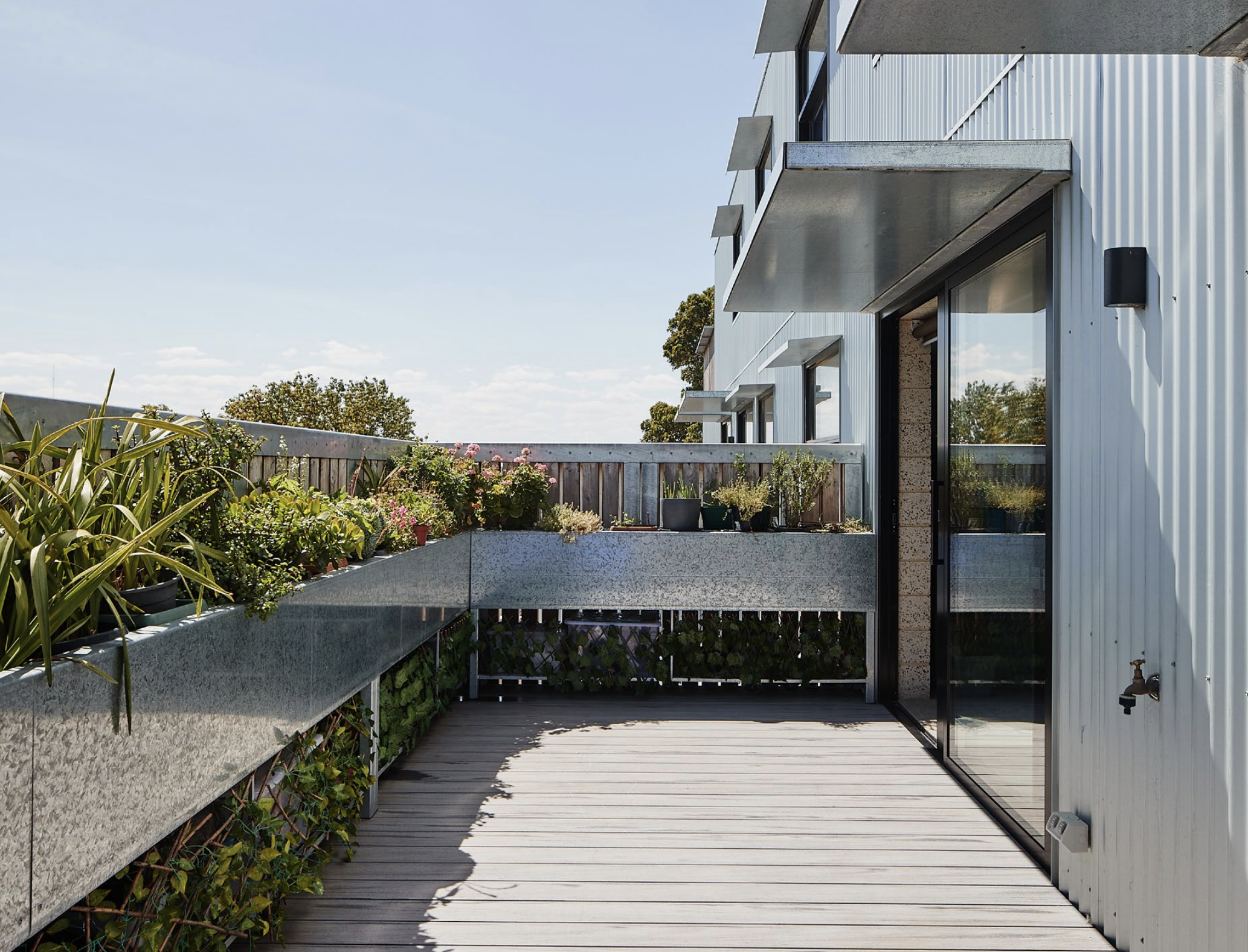
Lived-In: A Post-Occupancy Evaluation of St Albans Housing
St Albans Housing, a mixed-tenure social and specialist disability accommodation, underwent a POE to assess its economic and social impact through interviews, lived-condition drawings, and cost-benefit analysis.
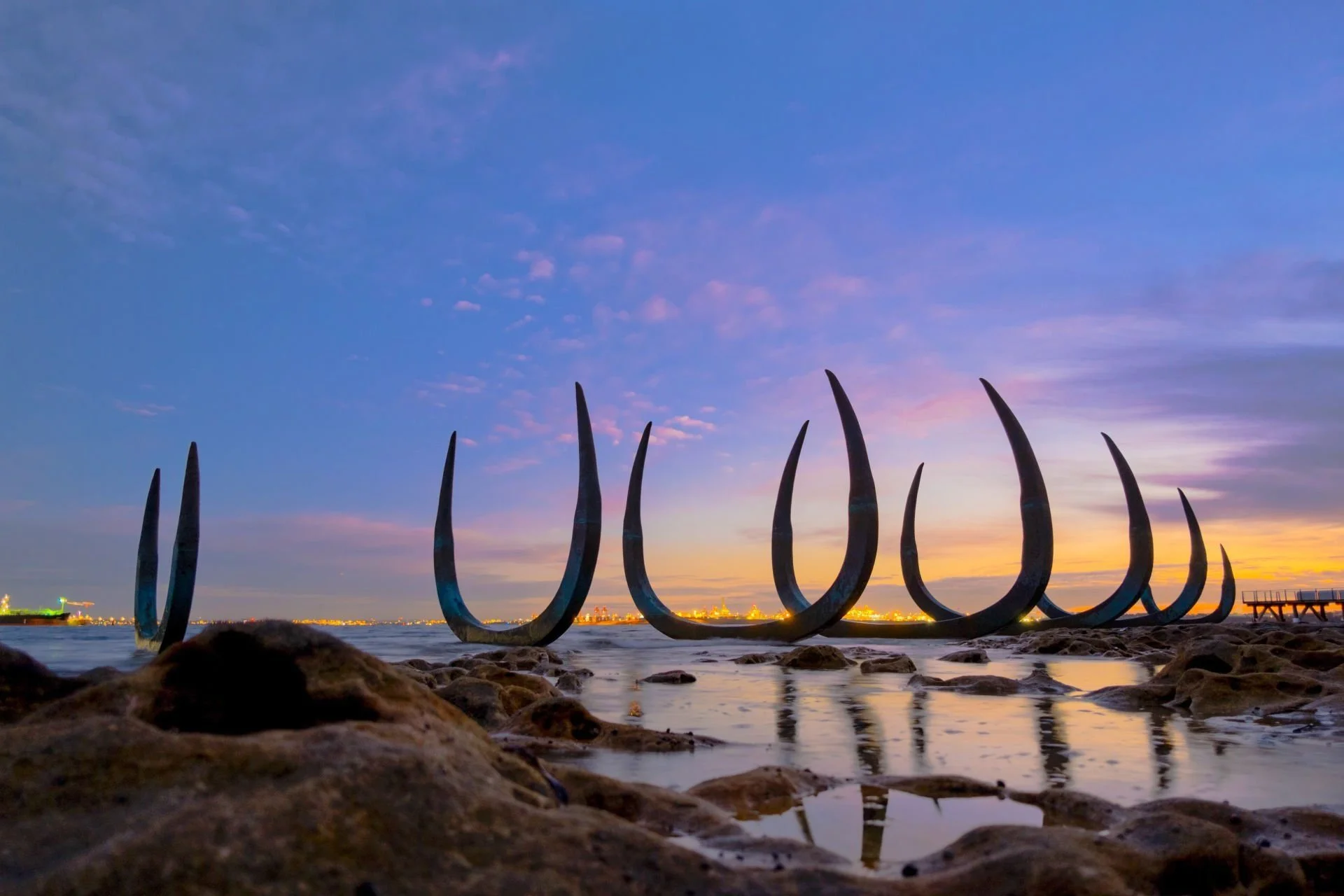
Beyond Heritage: First Nations’ involvement in climate mitigation and design
Beyond Heritage is an emergent research project and online resource celebrating, recognising and supporting the development of Australian First Nations design, as frontline responses to the climate and biodiversity emergency.
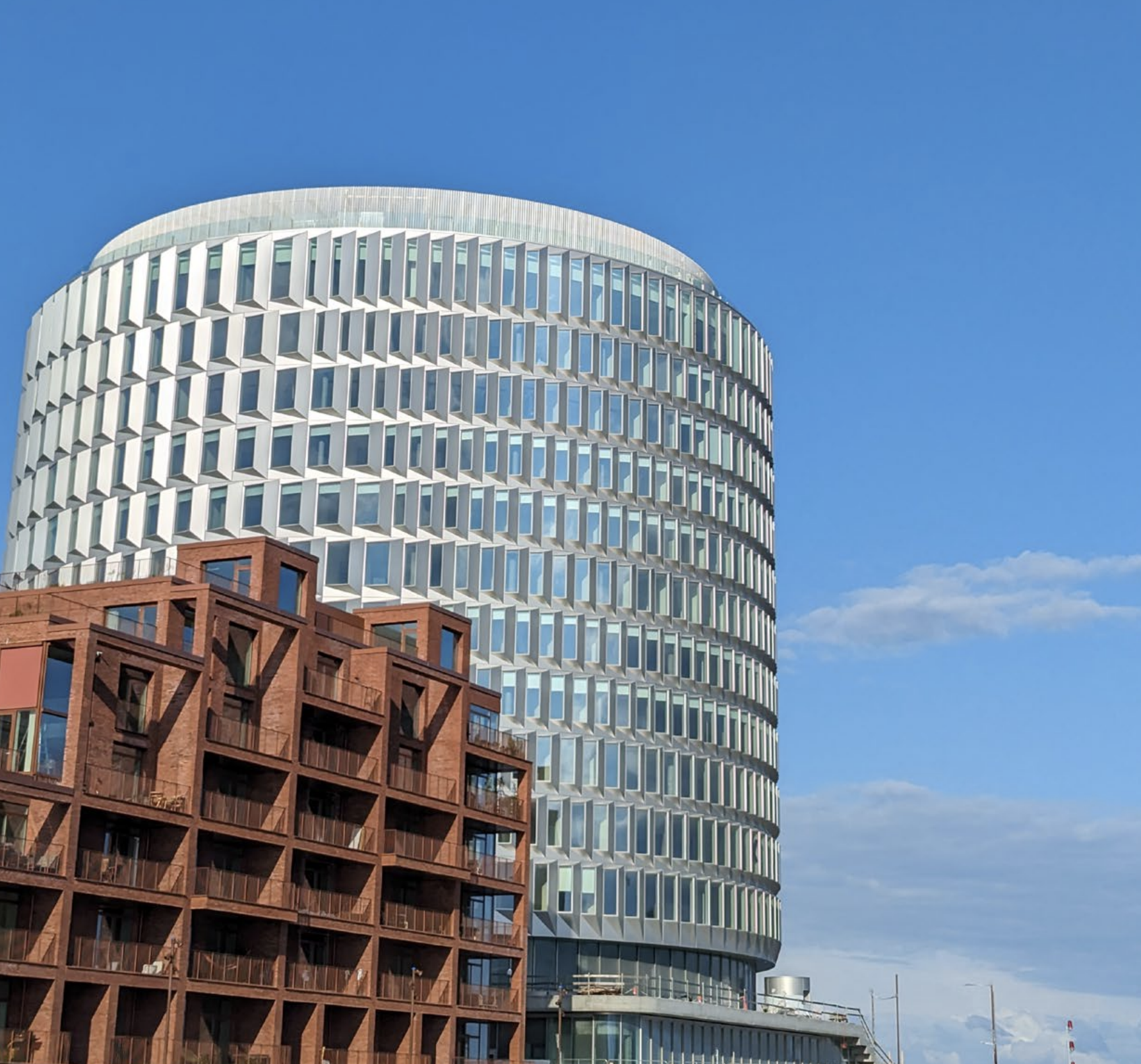
Again & Again & Again: A Mini Series to Hearing Architecture
A research, sculpture, podcast and event series investigating circular design in the built environment. Hilary captures conversation with those who have tried and tested systems; from grassroots to the complex, for designing in waste, and out single-life use of construction materials and services.
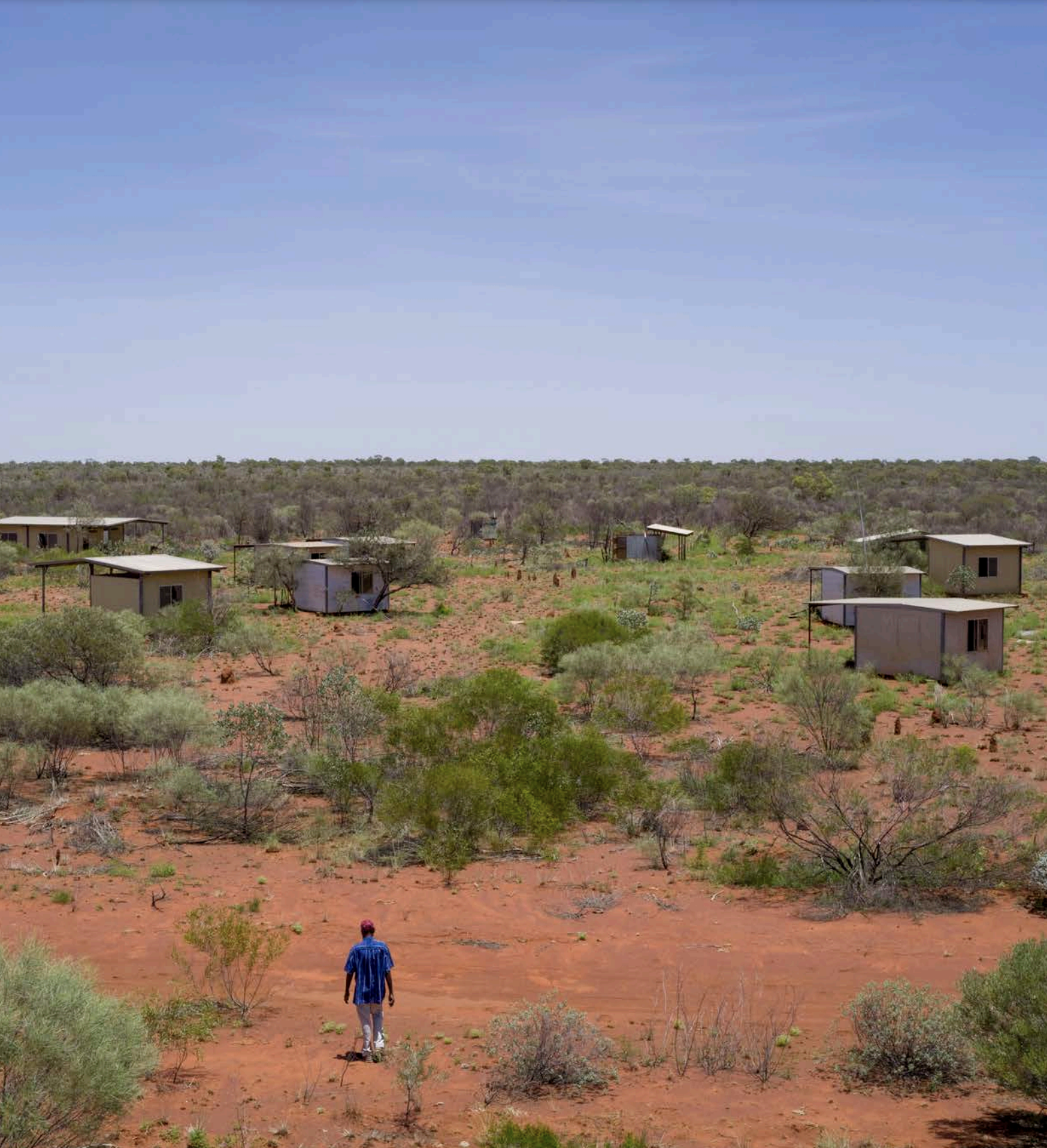
Papulu-Ku Nyinjjiki (Seeing Houses): Health and Housing in the Northern Territory
Papulu-ku Nyinjjiki (seeing houses) exhibition set out to document the harsh realities of remote indigenous housing in the Northern Territory. It was about telling the story of Tennant Creek through housing injustice and art—revealing these lived realities to the broader public. The exhibition was also about meaningful engagement and collaboration; celebrating the homes at Emu Springs and the establishment of Wilya Janta housing collaboration.
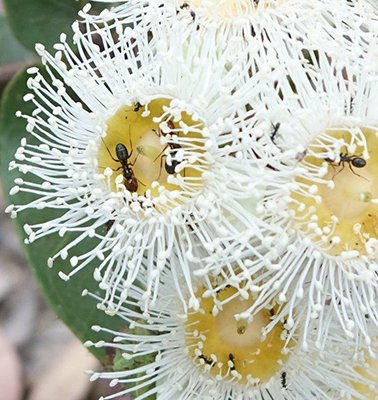
Pollinator Corridor Research: Investigations into a pollinator corridor for inner Sydney, Australia
This report, developed in collaboration with the University of Technology Sydney, City of Sydney, Loop Landscape Studio and research scientists, investigates how and where a habitat corridor for pollinators could be implemented in the City of Sydney local government.
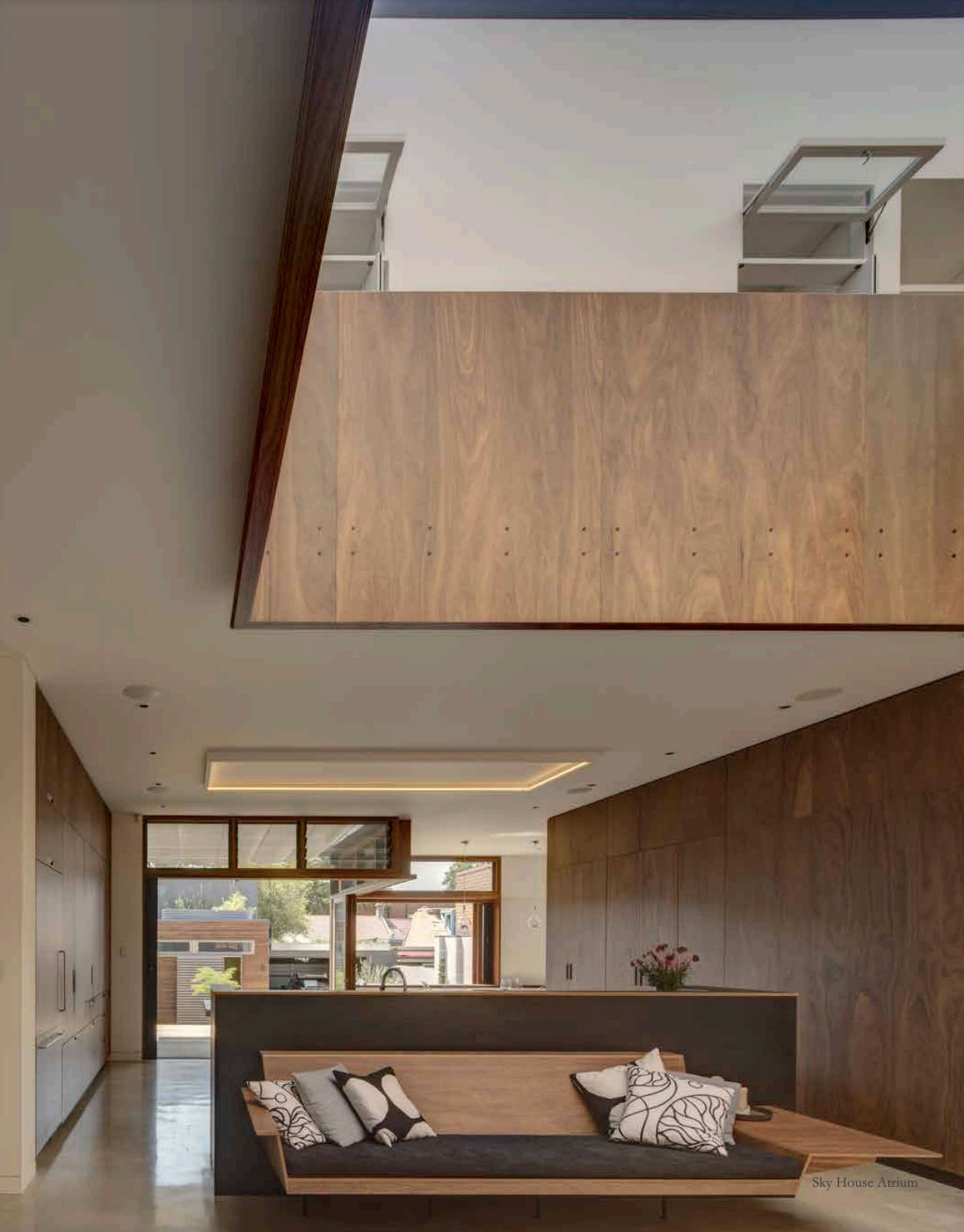
Design for Climate | Design for Change: Addressing key challenges facing the built environment
This guide, produced by Marra + Yeh Architects provides strategies for mitigation and adaption, acknowledging climate change as re-shaping the natural built environments. Including precedents that investigate methodologies to mitigate climate without energy-intensive technologies, providing historical context and wisdom for contemporary applications.
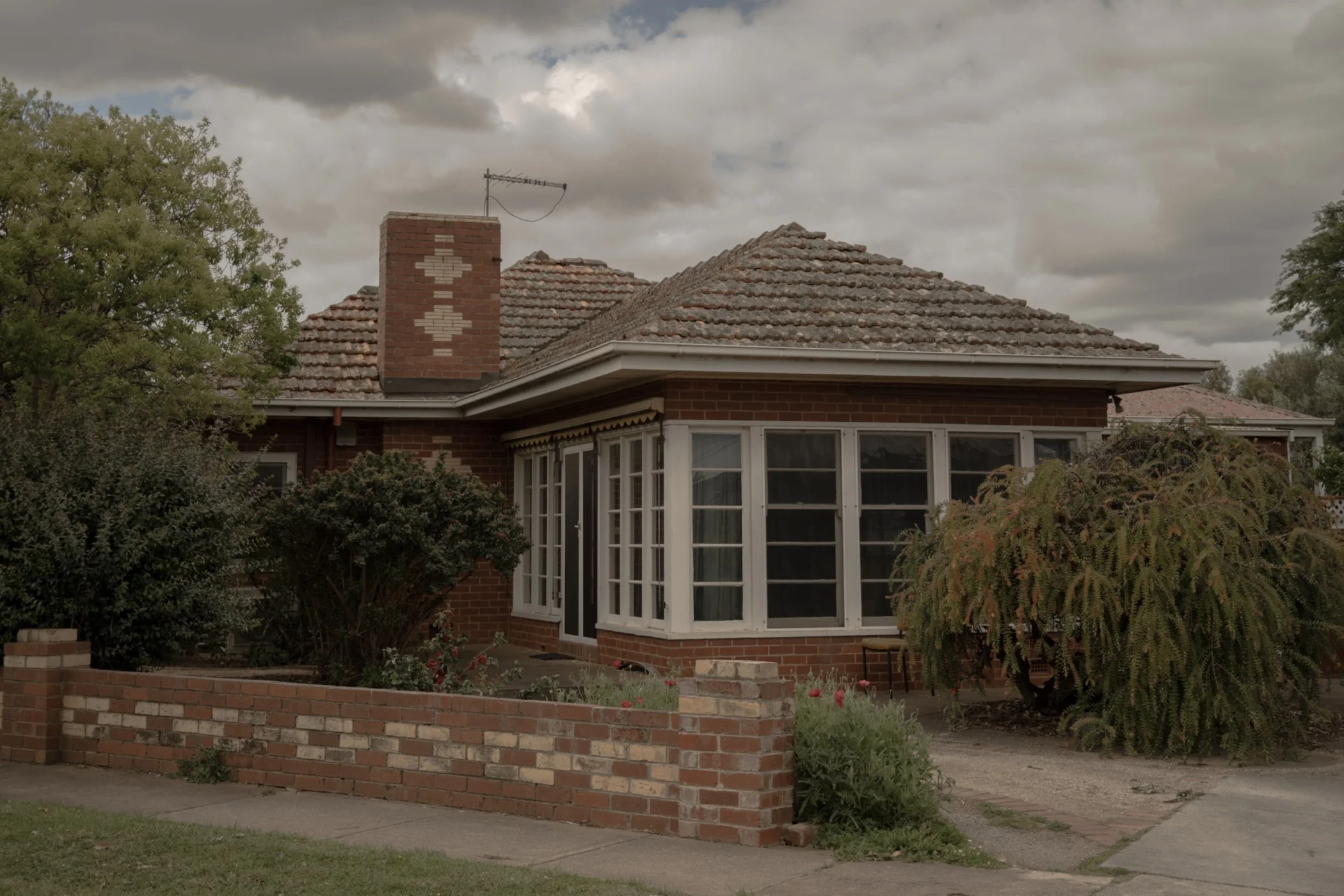
At Home: A three-day program of installations, exhibitions, screenings, talks and events exploring notions of home and the built environment.
The project AT HOME transformed a suburban Melbourne home in Wyndham for three days in December in 2023 into a dramatic art intervention, which hosted a series of public talks, events and programs that interrogated the home.

Developing Spatial Design Know How with and for Young People Living in Out-of-Home Residential Care
Bringing spatial design and lived experience together in dialogue, the project focused on the environment of residential care in relation to questions of belonging and ‘home’. The aim of this project is to develop a shared understanding of spatial design know-how that can be used by young people currently living in residential care.
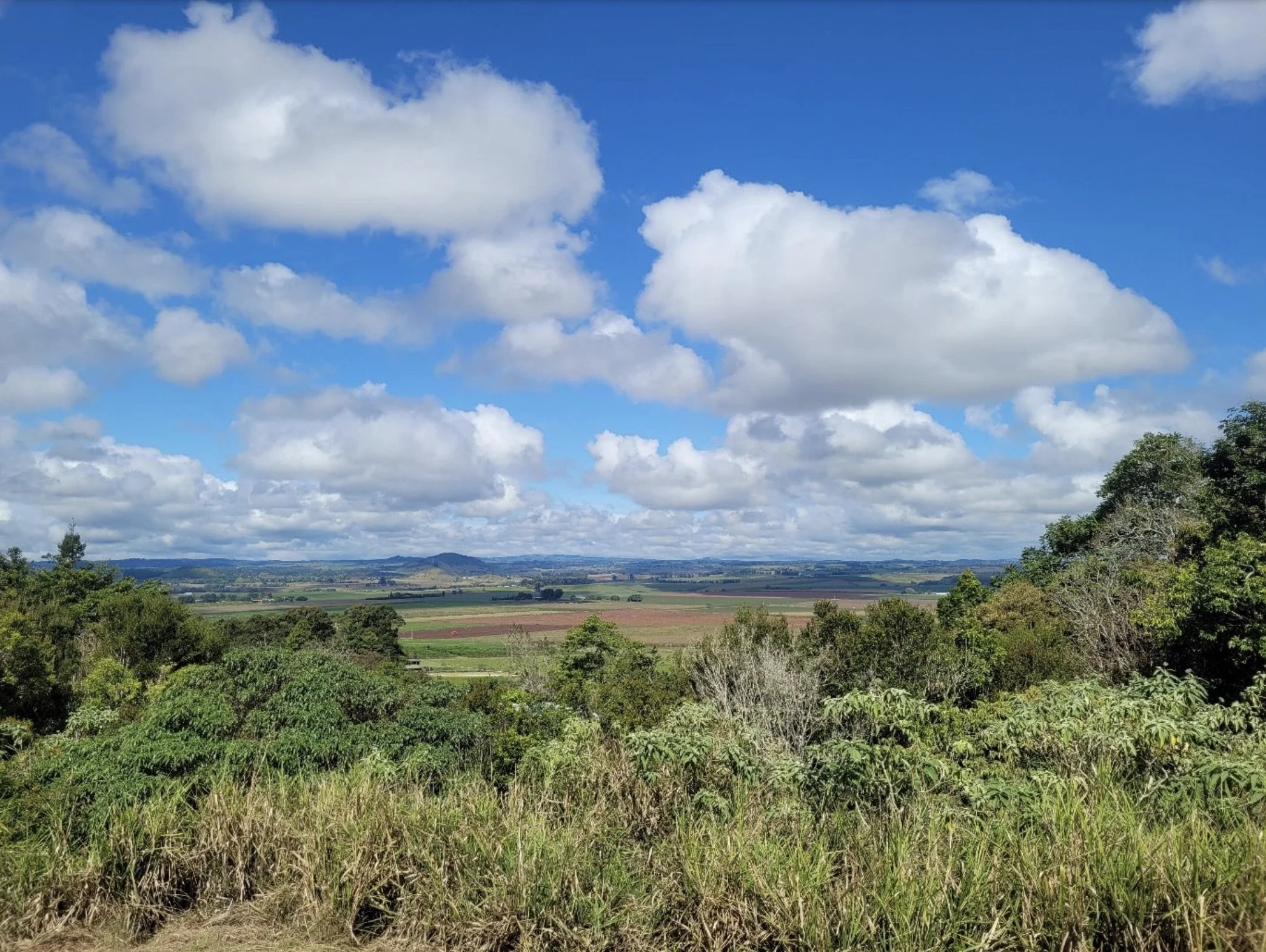
Rural Design in Queensland: Case Studies
This project seeks to examine Dewey Thorbeck’s propositions about rural design in relation to Queensland places, based on four case studies with an intention of creating more case studies as a basis for ongoing discussion about and engagement in rural design.